
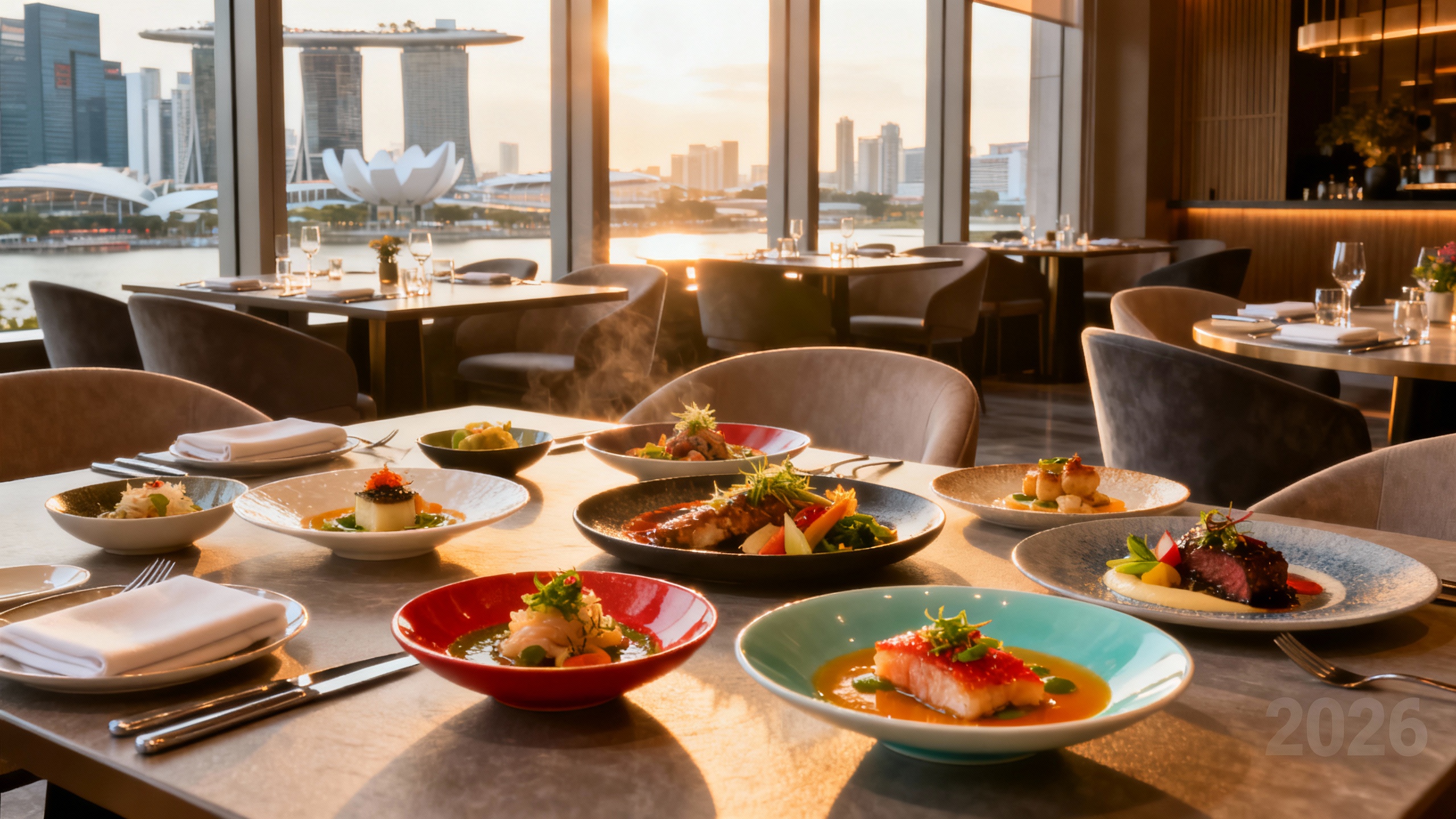
Discovering Singapore’s Culinary Renaissance
Singapore, known as a global food haven, continues to evolve its gastronomic landscape in 2026, blending tradition with innovation in ways that are capturing the imagination of food lovers worldwide. The city’s culinary renaissance is marked by a vibrant mix of established top restaurants and a surge of emerging food trends that reflect both local heritage and international influences. This dynamic scene is driven by a new generation of passionate chefs and visionary restaurateurs who are pushing boundaries and redefining what Singapore’s dining culture means in the 21st century.
Top Restaurants to Experience in 2026
Among the crème de la crème of Singapore’s dining establishments, three standout restaurants exemplify this renaissance. First, Odette, a three-Michelin-starred French restaurant, continues to dazzle with its meticulous attention to detail and innovative use of local ingredients, epitomizing haute cuisine with a Singaporean touch. The seamless blend of French culinary techniques with Southeast Asian flavors speaks volumes about Singapore’s culinary dialogue between heritage and modernity.
Another must-visit is Burnt Ends, a modern Australian barbecue joint that has garnered international acclaim for its open-concept kitchen and progressive menu. Chef Dave Pynt’s emphasis on wood-fired dishes and fresh, locally sourced produce highlights a trend towards rustic, yet refined dining experiences that emphasize authentic flavors and interactive dining.
Lastly, Labyrinth, known for its unique approach to Singaporean cuisine, offers a reevaluation of local classics with a modern twist. Chef LG Han’s creativity transcends mere food preparation; it is storytelling that brings nostalgia and novelty together, allowing diners to experience Singapore’s heritage in an innovative gastronomic format.
Emerging Food Trends in 2026
In 2026, Singapore’s food trends reflect a deeper consciousness about sustainability, wellness, and cultural integration. One notable trend is the rise of plant-based and sustainable menus. Restaurants are creatively substituting traditional proteins with locally grown fungi, legumes, and plant-derived ingredients without compromising on taste or texture. For example, restaurants are innovating by incorporating native produce like tempeh and jackfruit into dishes that pay homage to local hawker culture while appealing to modern dietary preferences.
Another significant trend is technological integration in dining experiences. From AI-powered personalized menus to interactive digital table settings, technology is transforming how diners engage with food. Some eateries are even experimenting with augmented reality to showcase the story behind each dish, providing an immersive culinary narrative that enhances appreciation and connection.
Lastly, there is a resurgence of interest in regional Southeast Asian cuisines beyond Singapore’s borders, with chefs embracing ingredients and cooking methods from neighboring countries like Malaysia, Indonesia, and Thailand. This culinary cross-pollination enriches the diversity of Singapore’s food scene and encourages a broader appreciation of regional flavors.
Conclusion: A Thriving Hub of Culinary Innovation
Singapore’s culinary renaissance in 2026 exemplifies how a city can honor its rich food heritage while embracing global innovation and sustainability. With top-tier restaurants continually raising the bar and emerging trends that reflect evolving consumer values and technological advancements, Singapore remains at the forefront of the global gastronomic map. For food enthusiasts, this vibrant culinary landscape promises endless exploration and remarkable experiences.