
Introduction to Singapore’s Vibrant Food Scene in 2026
Singapore’s culinary landscape is always evolving, and 2026 promises an exciting feast for food enthusiasts. Known for its rich multicultural heritage, Singapore’s food trends this year reflect a unique blend of tradition, innovation, and sustainability. Whether you’re a local or a traveler, understanding these trends offers a delicious insight into the city-state’s dynamic food culture.
Plant-Based Revolution: Embracing Sustainable and Healthy Eating
One of the most significant trends sweeping Singapore in 2026 is the surge in plant-based cuisine. More restaurants and hawkers are incorporating meat alternatives and creative plant-based dishes that do not compromise on flavor or authenticity. For example, eateries like Afterglow and VeganBurg, which have been popular for their innovative vegan burgers and seafood substitutes, are seeing a boost in popularity among locals and tourists.
The push towards sustainability is also reflected in the use of locally sourced ingredients, reducing the carbon footprint and supporting local farmers. Singaporeans are increasingly mindful of health, and the plant-based trend is complemented by an emphasis on nutritious, minimally processed foods that support wellness.
Heritage Flavors with a Modern Twist
Singapore’s culinary history is incredibly rich, with roots in Malay, Chinese, Indian, and Peranakan cultures. In 2026, chefs are reinventing traditional dishes by blending age-old recipes with modern cooking techniques and global influences. Take, for instance, the beloved Hainanese chicken rice—now being reimagined with sous-vide methods or infused with unique spices to create new flavor profiles without losing its authentic essence.
Restaurants such as Candlenut, the world’s first Michelin-starred Peranakan restaurant, are leading this trend. They expertly balance the preservation of heritage tastes with artistic presentation and contemporary ingredients, giving diners an experience that honors the past while embracing the future.
Tech-Driven Dining Experiences
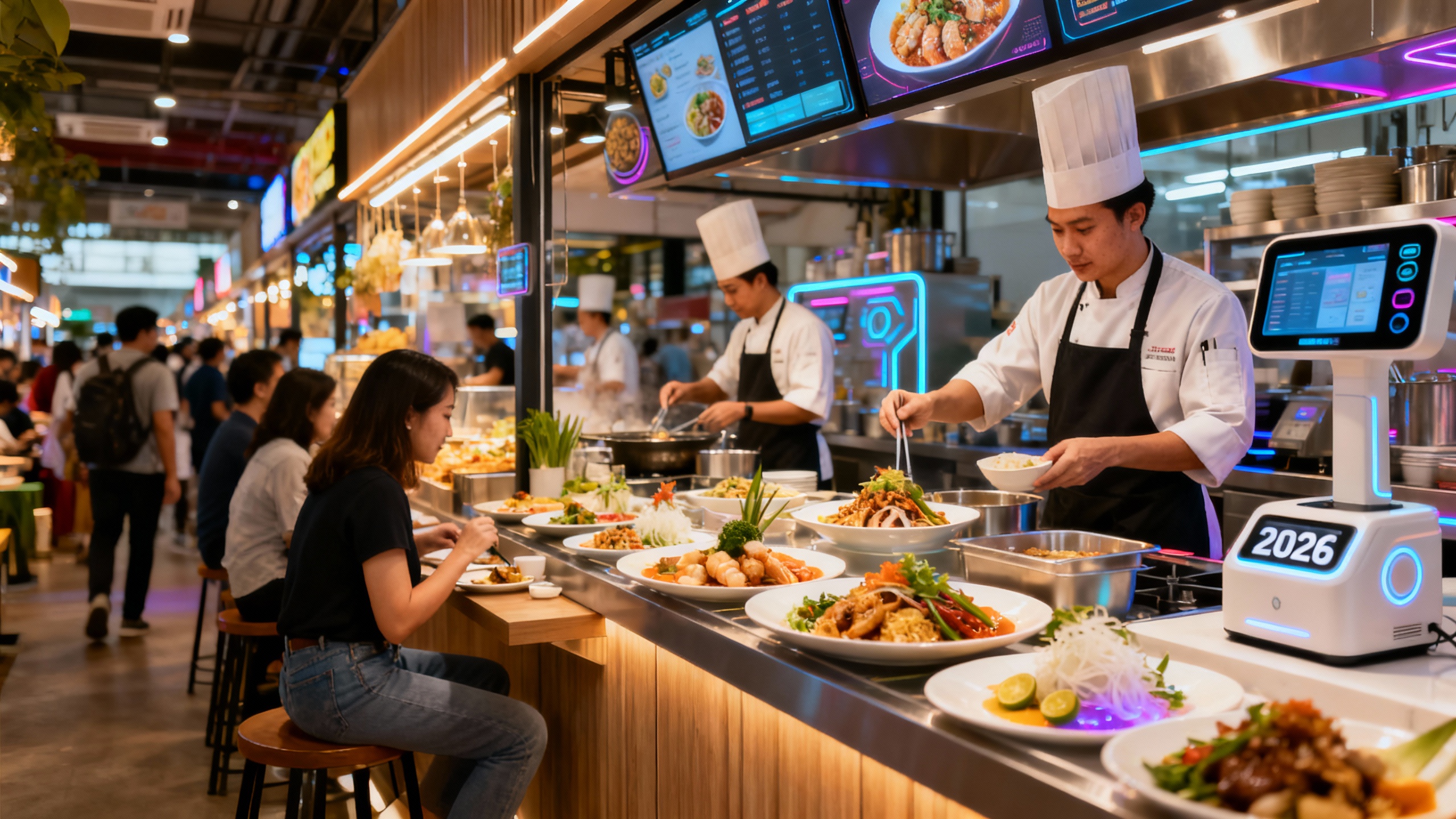
Singapore’s food scene in 2026 is also marked by a surge in technology integration, ranging from AI-powered recommendations to robotic servers and automated kitchens. Cutting-edge food tech startups are revolutionizing how meals are prepared and delivered, making dining more efficient and interactive.
Examples include the adoption of sophisticated apps providing hyper-personalized menus based on dietary needs and preferences. Additionally, the rise of augmented reality (AR) dining experiences allows customers to engage with their food stories in immersive ways, adding an educational and entertaining dimension to meals.
Global Fusion and Street Food Revival
Singaporeans’ love for global flavors continues to grow, leading to an exciting fusion of international cuisines with local favorites. From Japanese-influenced laksa to Korean-style chili crab, chefs are blending the best of multiple worlds to create novel and vibrant dishes.
Simultaneously, the city-state is witnessing a revival of traditional street food culture with a modern makeover. Hawker centers are upgrading their offerings by introducing gourmet versions of classic street eats, paired with trendy beverages and themed food markets that attract both younger generations and tourists alike.
Conclusion: A Food Journey Worth Experiencing
Singapore’s 2026 food trends showcase a city that thrives on innovation while deeply cherishing its culinary roots. From plant-based delights and heritage reinventions to tech-enhanced dining and global fusion, the food scene is vibrant and diverse. This year invites everyone to embark on a culinary journey that tantalizes the taste buds and celebrates the rich cultural tapestry that makes Singapore truly unique in the gastronomic world.