
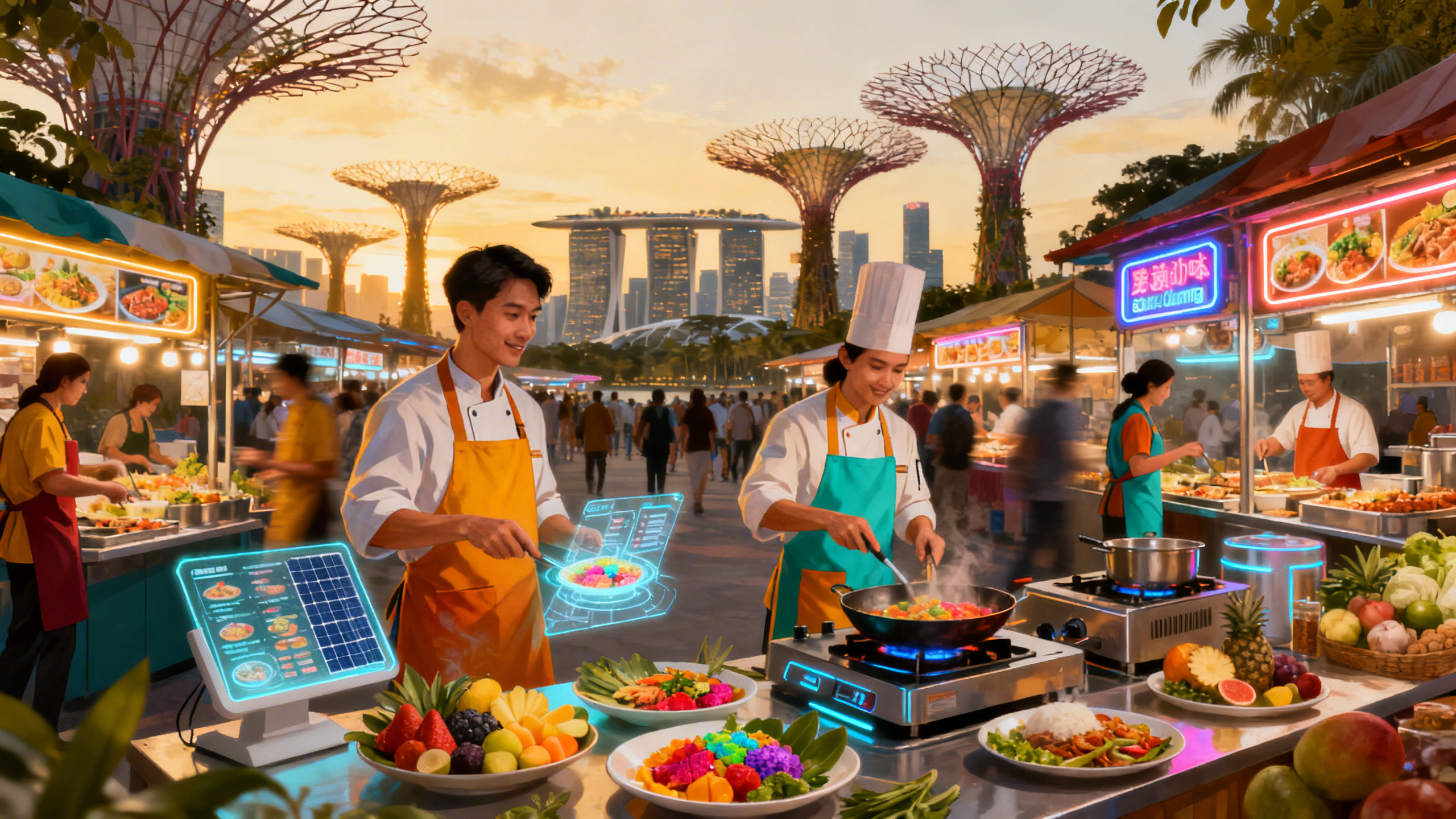
Introduction to Singapore’s Vibrant Culinary Scene in 2026
Singapore, a city renowned for its dynamic food culture, continues to set the bar high in 2026 with groundbreaking food trends that blend tradition with innovation. As a travel and food enthusiast, embarking on a culinary journey through this city-state reveals a fusion of heritage flavors and cutting-edge culinary creativity. This blog post dives deep into what’s hot on Singapore’s food scene this year, highlighting unique dining experiences and insider insights into the evolving trends shaping its gastronomic landscape.
Sustainability Takes Center Stage
One of the most significant trends in Singapore’s food industry in 2026 is the emphasis on sustainability. Locally sourced ingredients are now prioritized more than ever, reducing carbon footprints and supporting small-scale farmers. Restaurants are creatively rethinking menus to minimize waste, such as incorporating nose-to-tail cooking and using food parts traditionally discarded. For example, several upscale eateries in the Tiong Bahru neighborhood are championing zero-waste kitchens, crafting inventive dishes that respect the environment while delivering bold flavors.
The rise of urban farming also feeds this trend. Singapore’s famous vertical farms are not just experimental anymore; they are integral parts of many restaurants’ supply chains. Fresh herbs, greens, and even specialty produce grown in controlled environments ensure peak freshness and a reduced reliance on imports. This farm-to-table approach enhances the quality and sustainability of meals, influencing chefs nationwide to adopt greener practices.
Tech-Driven Dining Experiences
Technology continues to revolutionize how Singaporeans and tourists experience food in 2026. From AI-powered chatbots helping diners choose customized meal options based on dietary preferences to robots assisting in food preparation and delivery, tech innovations are enhancing both convenience and safety. An example is the rise of smart dining tables in select restaurants that integrate augmented reality menus, showcasing interactive visuals of dishes before ordering.
Moreover, the advent of virtual reality (VR) dining experiences allows food lovers to immerse themselves in the cultural origins of their meals. For instance, certain establishments offer VR tours of spice farms in India or tea plantations in China to complement themed tasting menus. This blend of technology and culinary art adds depth and engagement that transcends traditional dining, offering a unique way to savor Singaporean heritage.
Health-Conscious and Plant-Based Choices
The health and wellness focus prevalent globally in 2026 is strongly echoed in Singapore’s food trends. Plant-based diets are gaining robust popularity, with a surge of restaurants and cafes offering innovative meat alternatives and nutrient-rich dishes. Beyond just vegetarian or vegan options, the emphasis is on holistic nutrition, integrating superfoods and adaptogens to boost energy and immunity.
Singaporean chefs are skillfully incorporating traditional herbs and spices known for their medicinal properties into contemporary dishes, creating a balanced experience that celebrates both taste and wellness. The proliferation of cold-pressed juices, herbal teas, and fermented products in cafés underscores a growing consumer awareness aimed at improving gut health and overall vitality through diet.
Diverse Fusion and Nostalgic Flavors
Singapore’s unique multicultural heritage continues to inspire creative fusion cuisine that pays homage to nostalgic flavors while pushing culinary boundaries. Classic dishes such as laksa and Hainanese chicken rice are being reinvented with unexpected ingredients, offering a fresh twist that appeals to adventurous palates.
Notably, there is a surge in collaborations between traditional hawker stalls and contemporary chefs, preserving beloved recipes while elevating presentation and flavor complexity. This marriage of old and new signifies respect for Singapore’s culinary roots and emphasizes the importance of heritage in a modern context. Travelers can savor updated traditional meals in historic neighborhoods like Chinatown and Kampong Glam, where every bite tells a story of the past meeting the future.
Conclusion: Why 2026 is the Year to Savor Singapore
Singapore in 2026 is a shining example of how food can be a dynamic cultural, technological, and sustainable force. Whether you’re a local or a traveler, the city’s food trends invite you to explore innovative dishes crafted with ecological mindfulness, high-tech flair, and a deep respect for tradition. With its vibrant street food markets, cutting-edge restaurants, and immersive dining experiences, Singapore continues to redefine the culinary journey, making it an essential destination for gourmands worldwide.
Plan your next visit to this food paradise and experience firsthand the trends shaping future gastronomy. Every meal in Singapore in 2026 is not just about eating; it’s about savoring a story, a culture, and a sustainable vision for the future of food.