
Introduction: The Ever-Evolving Culinary Landscape of Singapore
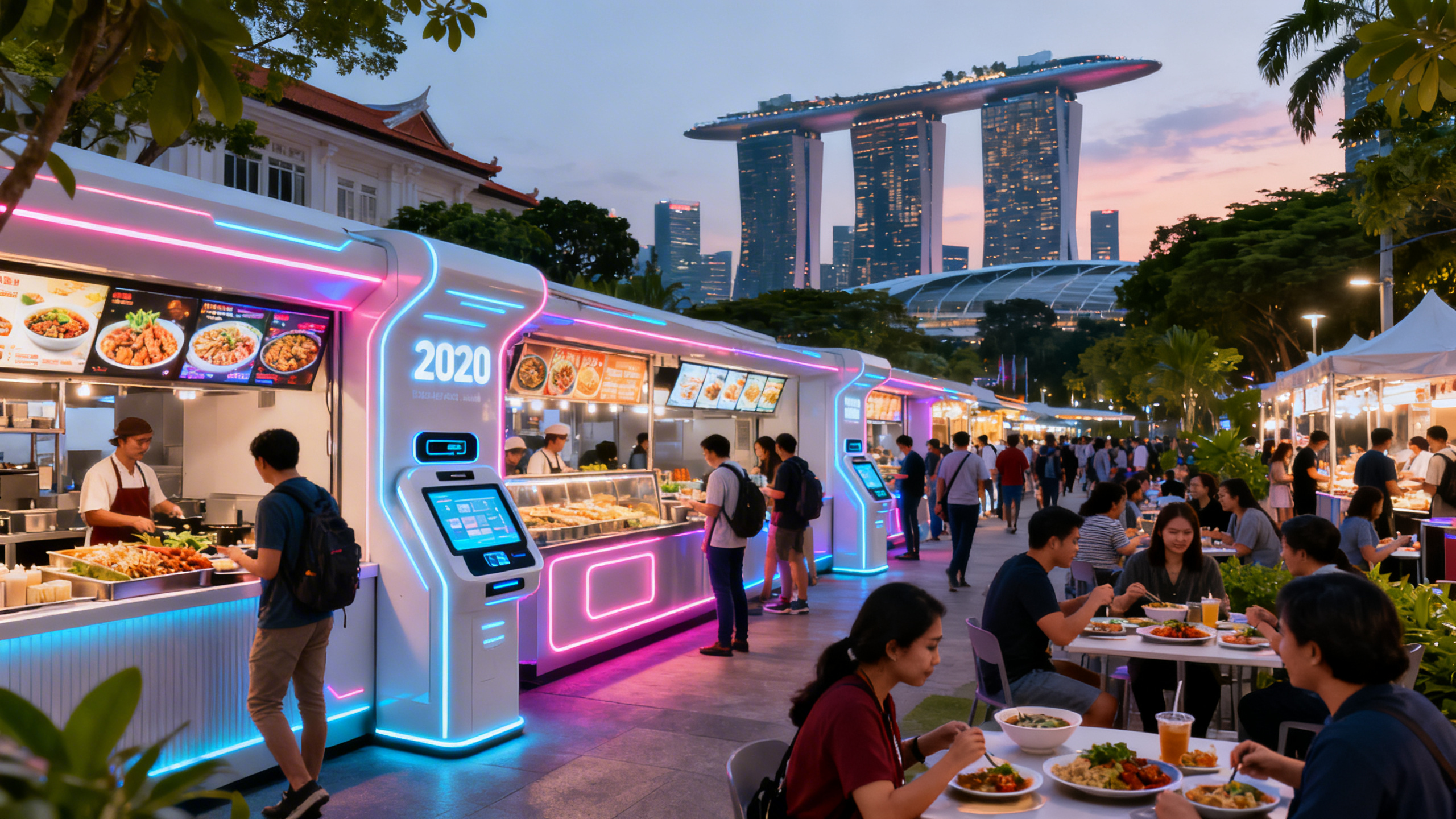
Singapore’s food scene in 2026 is a vibrant tapestry of tradition and innovation, reflecting the city-state’s cultural diversity and forward-thinking spirit. Known globally for its mouthwatering hawker fare, Singapore is now embracing a new era of culinary experiences that blend sustainability, technology, and global influences. This transformation makes it an exciting destination for food lovers eager to taste the future of dining.
Traditional Roots Meet Modern Innovation
Despite its rapid modernization, Singapore remains deeply proud of its heritage cuisines. The hawker centers — those bustling hubs of affordable and authentic eats — have been revitalized with a commitment to sustainability and quality. In 2026, many hawkers are adopting eco-friendly practices such as zero-waste cooking and using biodegradable packaging, aligning with Singapore’s green initiatives. For instance, Lau Pa Sat, a historic hawker market, now features stalls that specialize in plant-based versions of classic local dishes like Hainanese chicken rice and laksa, satisfying both traditionalists and vegetarians alike.
Moreover, Singapore’s culinary professionals are seamlessly integrating technology with tradition. Smart kitchens equipped with AI assist chefs in perfecting recipes and managing ingredients more efficiently, ensuring consistency and reducing food waste. This marriage of old and new keeps Singapore’s food heritage alive while pushing boundaries for what’s possible in gastronomy.
A Flourishing Fine Dining Scene with a Social Conscience
The fine dining landscape in Singapore has also evolved, with many top-tier restaurants embracing sustainable sourcing and community engagement. Chefs are championing farm-to-table practices by collaborating directly with local farmers and fishers, which supports Singapore’s efforts to boost food security and reduce reliance on imports. For example, restaurants like Odette and Les Amis continue to garner international acclaim while highlighting local ingredients and environmental responsibility.
In addition, there’s a surge in experiential dining where meals are crafted not just as food but as immersive storytelling events. These experiences fuse technology, art, and cuisine to engage all the senses. Some restaurants utilize augmented reality (AR) to provide diners with insights into the origin of their food or the cultural history behind each dish, creating a deeper connection between patrons and their meals.
A Melting Pot of Global Flavors and Culinary Experimentation
Singapore’s position as a global hub attracts chefs and food enthusiasts from around the world, leading to a remarkable fusion of flavors. In 2026, this multicultural influence continues to enrich the local cuisine, with exciting new restaurants that blend Asian ingredients with techniques from Europe, the Americas, and beyond.
Take, for example, the rise of fusion street food trucks and pop-ups offering innovative dishes like chili crab tacos or laksa ramen. These creative ventures not only bring informal dining to the next level but also foster a sense of community and culinary exchange. The diversity of choices ensures that both locals and tourists have endless options to explore Singapore’s unique food mosaic at all hours of the day.
Food Tech and Sustainability Shaping the Future of Eating Out
Food technology continues to shape Singapore’s dining culture profoundly. Vertical farming, lab-grown meats, and alternative proteins are increasingly visible in menus from casual eateries to high-end restaurants. These innovations play a crucial role in reducing the carbon footprint associated with food production and addressing Singapore’s limited land resources.
Moreover, digital platforms and apps make it easier for consumers to make eco-conscious dining choices. Many restaurants provide transparent information about sourcing and nutritional content, empowering diners to support sustainable and healthy eating habits. For example, plant-based food delivery services have seen a dramatic rise, catering to the growing demand for convenient, ethical meals without compromising on taste or variety.
Conclusion: Embracing Tradition, Innovation, and Sustainability
Singapore’s food scene in 2026 is a dynamic and inspiring blend of the old and the new, grounded in rich cultural traditions while boldly embracing innovation and sustainability. Whether you’re savoring a classic dish at a hawker center, indulging in a fine dining experience that tells a story, or exploring the latest in food technology, Singapore offers a culinary journey unlike any other.
For travelers and food enthusiasts, this evolving food scene promises a delicious glimpse into the future of dining, where culture, creativity, and conscience come together on every plate.