
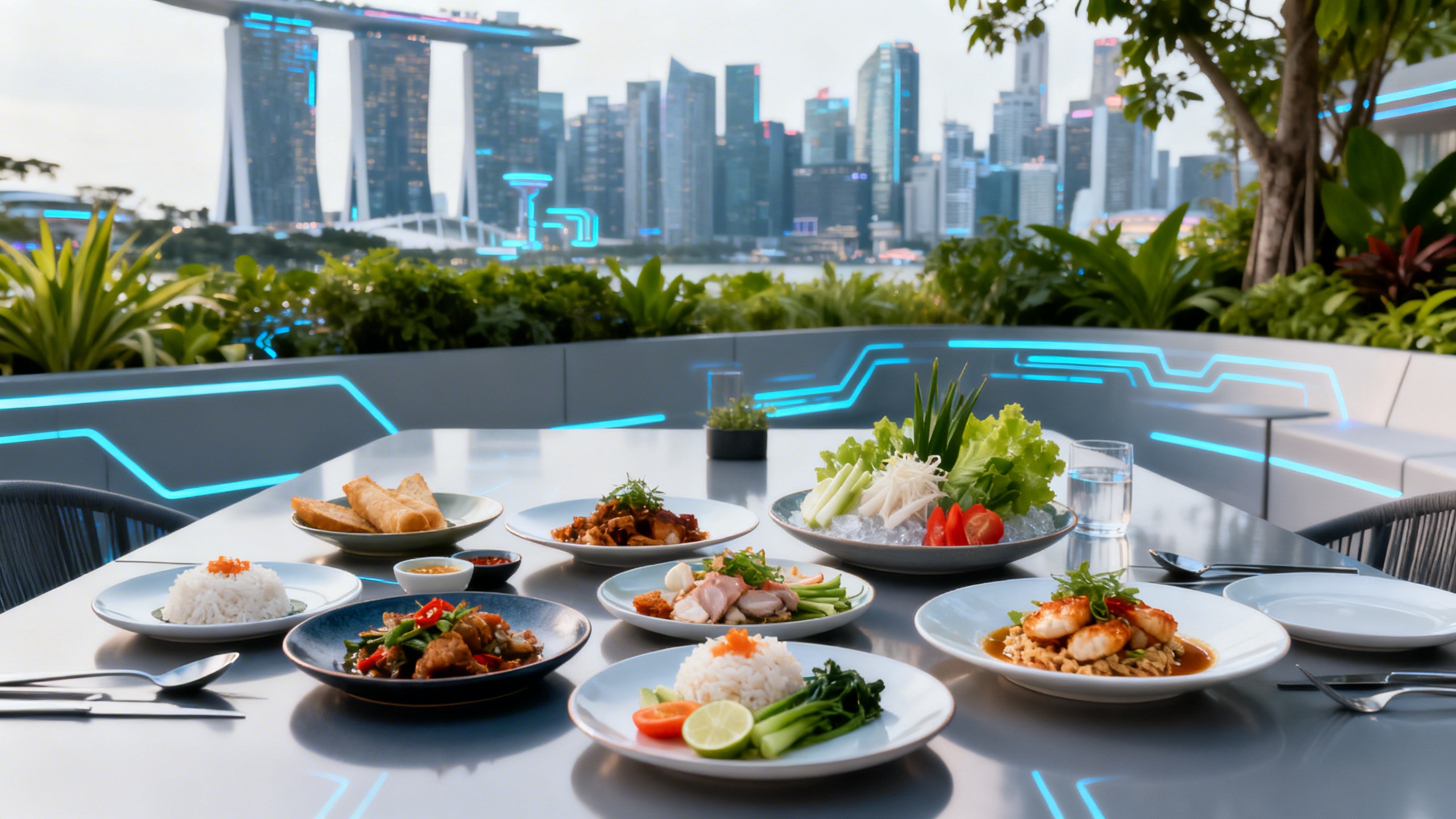
Introduction to Singapore’s Culinary Evolution in 2026
Singapore has long been celebrated as a melting pot of cultures, where food is a vibrant tapestry woven from Malay, Chinese, Indian, and Western influences. Heading into 2026, Singapore’s food scene continues to evolve with remarkable energy, blending cutting-edge innovation with deep respect for its culinary heritage. This year brings a fascinating array of food trends that invite locals and visitors alike to embark on a culinary journey filled with exciting flavors, sustainable practices, and novel dining experiences.
In this blog, we’ll delve into the key food trends defining Singapore’s gastronomic landscape in 2026, highlighting how these trends reflect broader social, environmental, and technological currents.
The Rise of Sustainable Dining and Local Sourcing
One of the most significant shifts for 2026 is the intensification of sustainable dining practices. Singaporean chefs and restaurateurs are increasingly committed to reducing food waste and sourcing ingredients locally to cut carbon footprints. Urban farming has surged in popularity, with high-tech vertical farms supplying fresh herbs, vegetables, and even premium greens directly to upscale restaurants and hawker centers.
For example, farms like Sky Greens and Comcrop have pioneered vertical farming methods that require less water and land, ensuring a steady supply of fresh produce while championing eco-conscious consumption. This movement not only boosts Singapore’s local food sovereignty but also adds a distinct freshness and traceability that consumers crave.
Additionally, menus now prominently feature seasonal, locally harvested ingredients, pushing chefs to creatively adapt traditional dishes with a sustainable twist. This shift is well received by eco-aware diners who value thoughtful sourcing and reduced environmental impact without compromising gastronomic delight.
Plant-Based and Alternative Protein Innovations
As global awareness about the environmental costs of animal agriculture continues to grow, Singapore’s 2026 food scene is seeing a bold embrace of plant-based and alternative proteins. The city-state is becoming a hub for food tech startups focusing on lab-grown meat, plant-based seafood, and insect protein, propelled by government support for sustainable innovation.
Restaurants are now offering gourmet dishes featuring ingredients like mycoprotein (derived from fungi), pea protein, and innovative lab-cultured meats that replicate the taste and texture of traditional animal proteins. This trend doesn’t just cater to vegetarians but also appeals to flexitarians seeking healthier, eco-friendly options without sacrificing flavor or culinary excitement.
A great example is the rising popularity of “flexi hawker stalls,” where classic hawker favorites such as chicken rice and char kway teow are reimagined with alternative proteins, opening a new chapter for local street food culture that is both innovative and mindful.
Fusion with a Local Twist: Celebrating Heritage in Modern Ways
While innovation is at the forefront, the essence of Singapore’s culinary identity remains rooted in its multicultural heritage. 2026 sees a continued celebration of traditional flavors, reinterpreted in contemporary presentations. Chefs fuse techniques and ingredients from different ethnic cuisines to create dishes that are familiar yet refreshingly novel.
For instance, Peranakan flavors are being fused with modern gastronomy techniques such as sous vide cooking and molecular gastronomy, resulting in playful yet authentic dishes that honor heritage while appealing to adventurous palates. Similarly, Indian spices are being integrated into Western-style brunch menus, creating surprising yet harmonious flavor profiles.
These culinary experiments offer diners an enriched cultural experience, showcasing Singapore’s rich history and its capacity for culinary creativity.
Experiential Dining and Tech-Enhanced Food Journeys
Technology plays a pivotal role in 2026 food trends, not only on the plate but also in how dining experiences are crafted. Singapore’s dining scene increasingly features immersive, multi-sensory experiences where technology and storytelling enhance the culinary journey.
From augmented reality menus to robotic servers and personalized nutrition tracking apps, the integration of tech creates innovative dining environments that entertain and educate. Pop-up dining experiences and themed restaurants focus on engaging all senses, offering not just meals but memorable stories intertwined with food.
For example, a recent trend includes dining experiences where diners can virtually travel to the origins of the ingredients they are about to taste, adding depth and appreciation for the culinary craft and provenance.
Conclusion: Embracing Innovation While Honoring Tradition
Singapore’s food trends in 2026 beautifully illustrate a harmonious balance between innovation and tradition. Sustainable practices are becoming mainstream, alternative proteins are broadening palates, heritage dishes are being redefined with modern techniques, and technology is reshaping the dining landscape.
Whether you are a food enthusiast seeking cutting-edge culinary experiences or a traveler wanting to taste authentic Singaporean flavors with a twist, Singapore invites you to savor its evolving food story that is as dynamic as its diverse culture. This year promises a culinary journey that delights the senses, supports sustainability, and celebrates the rich heritage that makes Singapore truly unique.