
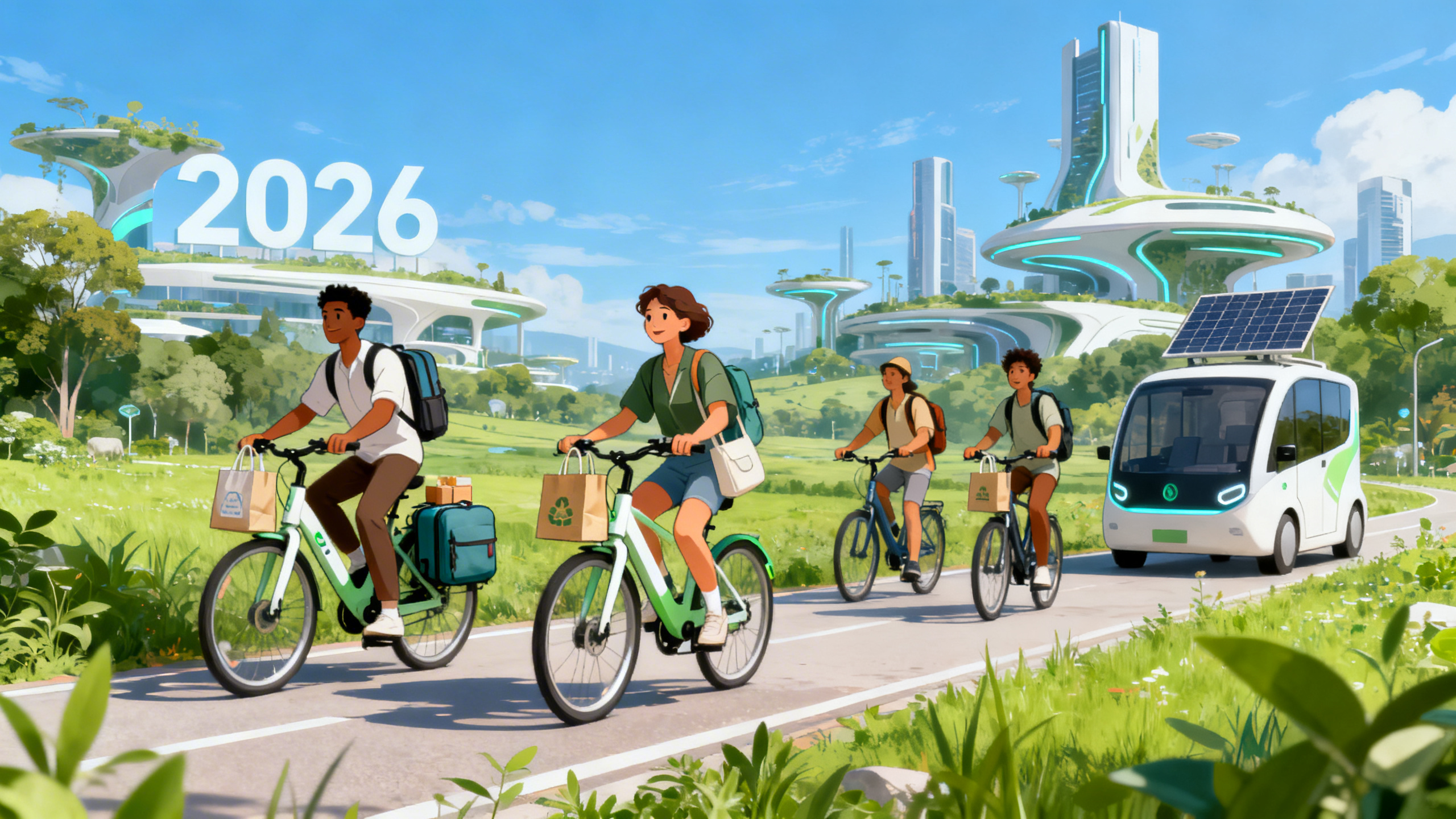
Introduction to Sustainable Travel in 2026
As the world becomes increasingly aware of environmental challenges, sustainable travel has emerged as a vital approach to exploring the globe responsibly. Traveling sustainably in 2026 means making conscious choices that minimize your ecological footprint while enriching your travel experience. It’s not just about seeing new places but doing so in a way that respects the environment, supports local communities, and preserves natural and cultural heritage for future generations.
Sustainable travel is more than a trend; it’s an ethical commitment that travelers can embrace to ensure that the beauty of the destinations remains intact. Whether you are a seasoned globetrotter or planning your first eco-conscious journey, understanding and applying sustainable travel practices is essential in modern tourism.
Choosing Eco-Friendly Transportation
One of the most significant factors affecting the environmental impact of your journey is the mode of transportation. Flights, though often unavoidable for long distances, contribute substantially to carbon emissions. In 2026, many travelers are opting for alternatives like trains, electric or hybrid rental cars, and even long-distance buses when feasible. For example, the European extensive rail network allows for eco-friendly travel between major cities with minimal environmental impact.
If flying is necessary, you can reduce your eco-footprint by choosing airlines that prioritize sustainability practices such as carbon offset programs, improved fuel efficiency, and sustainable aviation fuels. Additionally, packing light reduces the overall weight of flights, which can contribute marginally to lower emissions. Consider combining your destinations into one trip rather than multiple flights to further decrease your carbon footprint.
Supporting Sustainable Accommodations and Local Economy
Accommodation is another critical area where sustainable travelers can make a difference. In 2026, there is a growing number of eco-friendly hotels, lodges, and guesthouses that implement energy-saving technologies, water conservation measures, and waste reduction practices. Staying in these establishments supports businesses committed to sustainability. For instance, some resorts use solar energy, compost organic waste, and employ local staff, providing economic benefits to the community.
To support the local economy directly, travelers should seek out local markets, restaurants, and artisans rather than international chains. Buying handmade crafts or dining on locally sourced food not only enhances your cultural experience but also helps preserve traditional crafts and foodways. Participating in community-led tours and activities ensures that the economic benefits of tourism are distributed fairly and responsibly.
Reducing Waste and Contributing to Conservation
Travel often generates waste that can harm the environment if not managed properly. A sustainable traveler in 2026 minimizes waste by carrying reusable water bottles, bags, and containers to avoid single-use plastics. Many destinations now offer refill stations for water and incentives for using reusable items, helping you stay hydrated without contributing to plastic pollution.
Additionally, engaging in or supporting conservation projects during your travels can make your journey more meaningful. Many destinations offer opportunities to participate in beach cleanups, wildlife monitoring, or reforestation efforts. For example, in Costa Rica, travelers can help with sea turtle conservation by volunteering or donating to reputable organizations. Such activities foster a deeper connection to the environment and promote environmental stewardship.
Practicing Respectful and Responsible Tourism
Respect for local cultures and nature is fundamental to sustainable travel. In 2026, travelers are encouraged to learn about the customs, traditions, and environmental laws of the destinations before arrival. Simple gestures, such as using respectful language, dressing appropriately, and seeking permission before photographing people or sacred sites, can significantly impact the local community’s perception of tourism.
Responsible wildlife tourism is another critical aspect. Observing animals in their natural habitat without disturbing them supports conservation efforts and ensures animal welfare. For example, wildlife safaris in Africa that follow strict guidelines contribute financially to habitat preservation and local economies while offering unforgettable experiences for travelers.
Conclusion: Making Every Journey Count
Traveling sustainably in 2026 requires deliberate and informed choices. Every decision, from how you travel to what you consume, shapes your journey’s environmental and social footprint. By reducing your carbon emissions, supporting sustainable accommodations, minimizing waste, and respecting local cultures and wildlife, you contribute to a positive travel legacy that benefits both the planet and its people.
As a traveler, you hold the power to transform tourism into a force for good. Embrace sustainable travel practices this year and beyond, and experience the joy of exploring the world with a conscience.