
Introduction
Traveling has always been about exploration and discovery, but in today’s digital age, technology is reshaping how we experience the world. Among the most significant advancements are Artificial Intelligence (AI) and wearable technology, which together are paving the way for highly personalized travel recommendations. This blend of technology is transforming the planning and actual journey, providing travelers with experiences tailored to their unique preferences, health data, and real-time surroundings.
AI: The Brain Behind Personalized Travel Experiences
AI’s ability to analyze vast amounts of data allows it to offer travel recommendations that go beyond static guidebooks or generic travel sites. Leveraging data from previous trips, social media preferences, search history, and even current trends, AI systems craft bespoke itineraries that cater specifically to individual travelers. For example, companies like TripIt and Hopper utilize AI-powered engines to suggest optimal flight options, accommodation, and activities, maximizing convenience and budget.
Moreover, AI-powered chatbots and virtual travel assistants provide 24/7 support, answering queries instantly and adjusting plans on the fly based on traveler feedback or changing conditions. This flexibility is invaluable for dynamic schedules, helping travelers stay informed about delays, weather, or local events that could affect their plans.
Wearables: Real-Time Insights for Smarter Travel
Wearable technology, such as smartwatches, fitness trackers, and augmented reality glasses, adds another layer of personalization by monitoring health metrics, environmental factors, and user habits. This real-time data enables adaptive travel experiences that consider everything from physical wellbeing to preferences in activity intensity.
For instance, imagine a smartwatch that detects increased fatigue or stress levels and suggests a relaxing local spa visit or a nature trail close to your current location to help you recharge. Similarly, wearables that track your sleep patterns can recommend changing your itinerary to balance busy sightseeing days with restorative periods. This merges personal health insights with travel preferences, encouraging healthier and more enjoyable journeys.
Synergy of AI and Wearables for the Modern Traveler
When combined, AI and wearables create a powerful ecosystem of personalized travel recommendations. AI algorithms process the continuous stream of data from wearables to dynamically adapt suggestions in real-time. For example, based on your heart rate trends and physical activity, your AI travel app might suggest skipping a strenuous hike in favor of a cultural tour or dining experience, improving both enjoyment and safety.
This synergy also enhances accessibility and inclusivity in travel. For travelers with specific medical conditions or disabilities, AI can use data from wearables to avoid locations or activities that might pose risks, ensuring a smoother travel experience. Additionally, the technology can alert travelers with dietary restrictions to suitable dining options nearby, tailored to their health needs and taste preferences.
Future Possibilities and Challenges
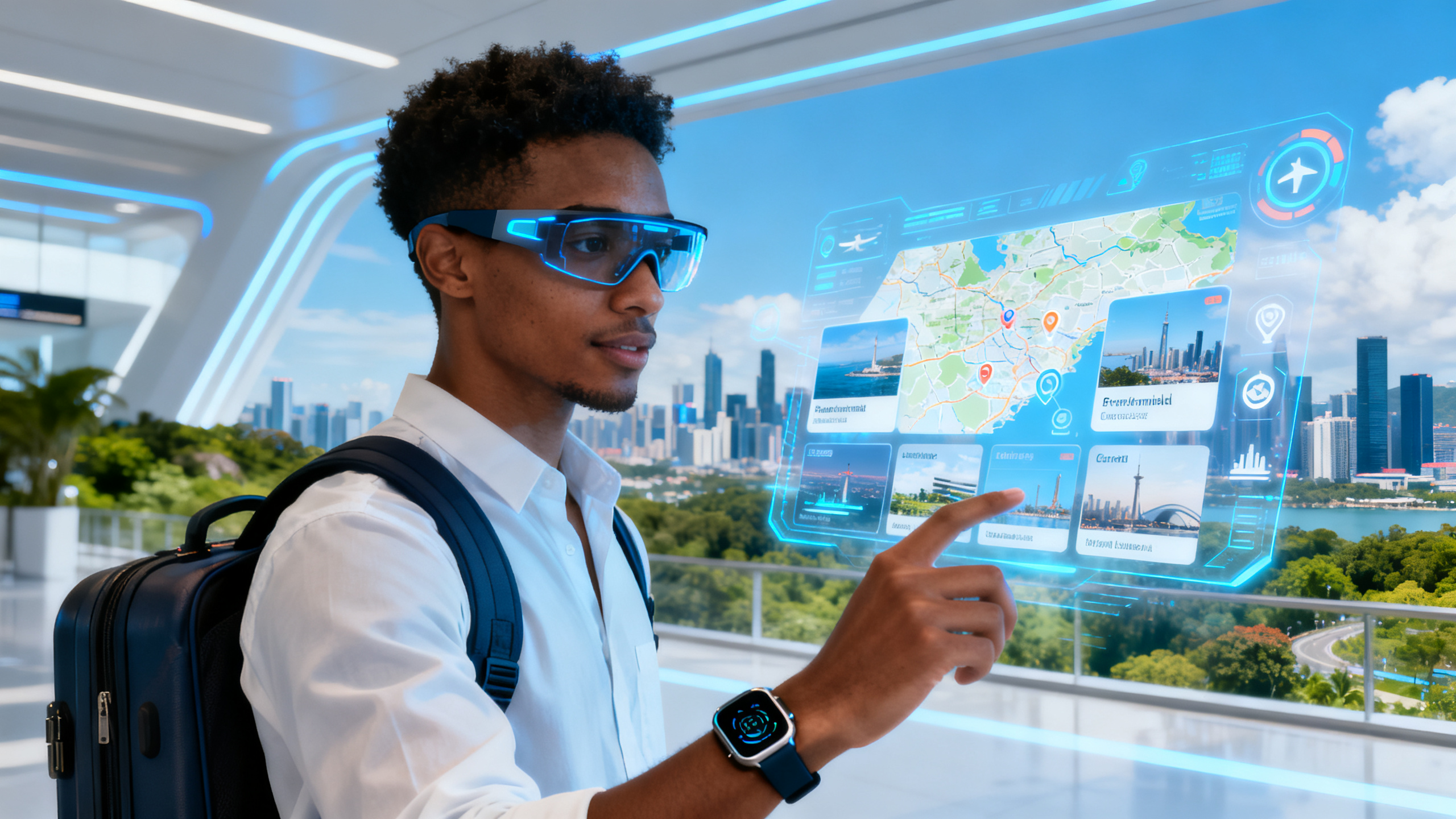
As these technologies evolve, we can expect even more immersive and intuitive travel experiences. Virtual reality (VR) and augmented reality (AR) integrated with AI and wearables could allow travelers to preview destinations or participate in guided tours, customized by their interests and fitness levels. Imagine a personalized AR city guide visible through smart glasses, highlighting historical facts or must-try local dishes as you stroll.
However, these advancements come with challenges such as data privacy and security concerns. Travelers must trust that their personal and health data are handled responsibly. Developers and travel companies need to prioritize transparency and ethical use of data to build and maintain this trust.
Conclusion
The marriage of AI and wearables is undeniably shaping the future of personalized travel recommendations. By offering smarter, healthier, and more customized travel experiences, these technologies empower travelers to explore the world in ways that are uniquely suited to their preferences and needs. As this landscape continues to grow and innovate, embracing these tools will unlock a new era of travel that is not only convenient but profoundly personal.
Whether you are a seasoned globetrotter or planning your first big adventure, integrating AI and wearable tech into your travel plans is increasingly becoming an essential strategy for making the most of every journey.