
Introduction
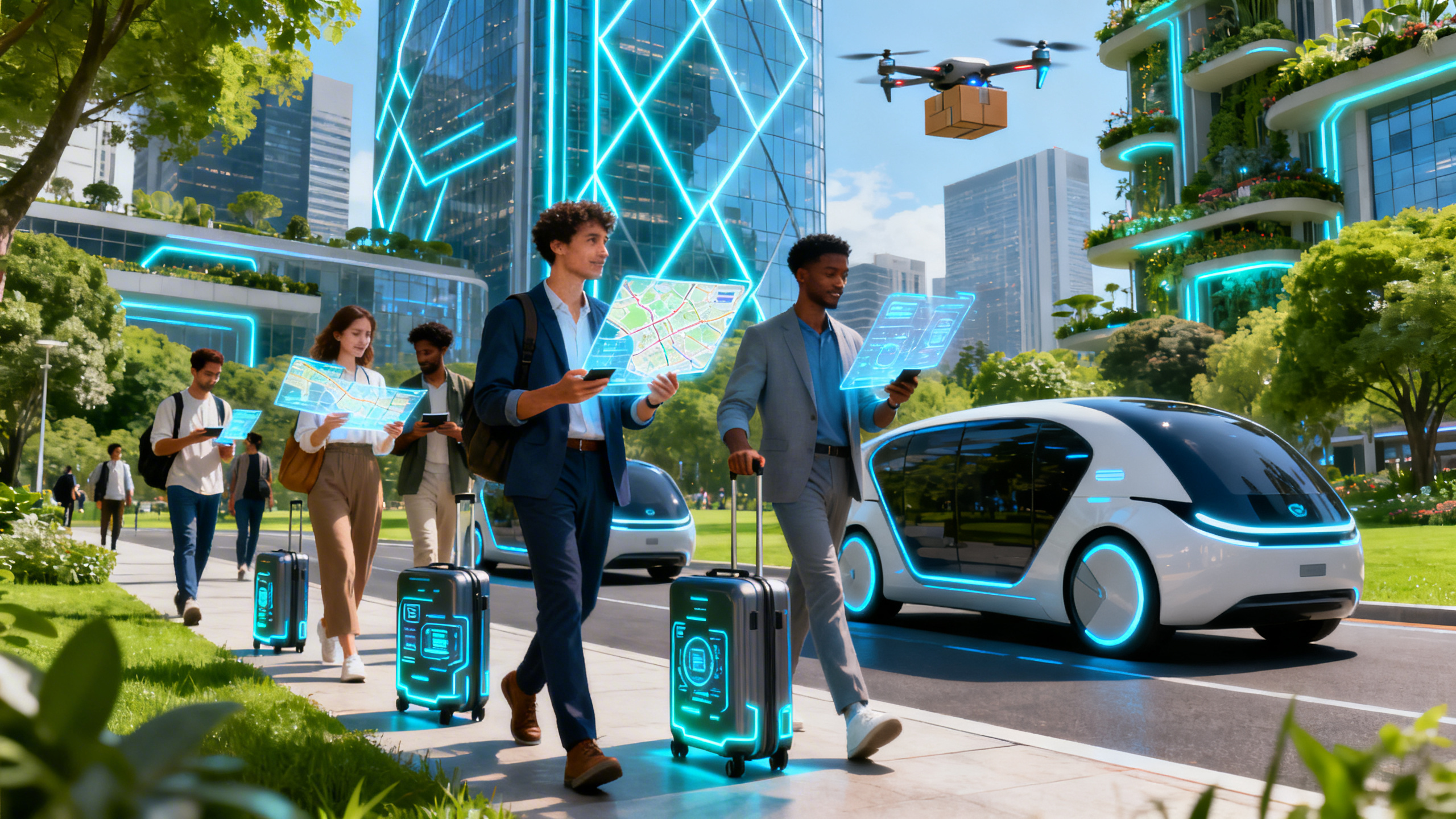
Travel in 2026 is evolving at an unprecedented pace, shaped by technological advancements, shifting traveler preferences, and a growing consciousness towards sustainability. As we embrace these changes, it’s crucial to stay ahead of the curve and understand the emerging trends that will define the way we explore the world this year. From immersive experiences to eco-conscious journeys, these trends reflect the deepening desire of travelers to connect authentically, responsibly, and innovatively with the places they visit.
1. Sustainable and Regenerative Travel
While sustainable travel has been a buzzword for several years, 2026 marks a shift towards regenerative travel—going beyond simply minimizing harm to actively improving the environment and communities visited. Travelers are increasingly seeking eco-lodges, carbon-neutral transportation options, and tours that contribute to conservation efforts or social projects.
For example, destinations like Costa Rica are setting examples with regenerative tourism practices that restore ecosystems while benefiting local communities. Guests participate in activities such as tree planting, wildlife monitoring, and supporting indigenous crafts, which ensure their travel footprint leaves a positive legacy. This trend also encourages travelers to advocate for policies that protect natural habitats and cultural heritage.
2. Tech-Enhanced Immersive Experiences
The fusion of technology and travel experiences is deepening in 2026. Augmented reality (AR) and virtual reality (VR) are now common tools that augment cultural tours, museums, and outdoor adventures. This tech not only enriches the storytelling of destinations but also makes experiences accessible to those who cannot physically visit certain sites.
For instance, walking through ancient ruins with AR overlays explaining historical contexts or exploring underwater coral reefs via VR before diving in person are becoming popular. Many operators are customizing tours using AI to adapt in real-time to traveler preferences and health requirements, enhancing convenience and personalization.
3. Wellness Travel Expanding Beyond Spas
Wellness tourism is evolving dramatically. Travelers in 2026 seek holistic wellness that integrates mental, emotional, and physical health rather than just spa treatments. Retreats now offer immersive programs involving mindfulness, digital detox, nature therapy, and personalized health diagnostics backed by AI and wearable tech.
Examples include forest bathing experiences in Japan that leverage natural surroundings for stress relief, or wellness villages in Europe where visitors engage in nutrition workshops, yoga, and science-backed therapies in serene environments. This trend reflects a global recognition of travel as a tool for lifelong health and well-being.
4. Off-the-Beaten-Path and Small Community Tourism
The desire to escape crowded tourist hotspots is boosting interest in lesser-known destinations and micro-experiences. Travelers want intimate cultural exchanges and authentic local interactions often found in small villages or emerging regions that were previously overlooked.
Take the rise of rural tourism in places like Eastern Europe or the indigenous community stays in parts of Southeast Asia. These journeys are supported by local guides and small businesses, which helps distribute tourism revenues more equitably and reduces the environmental strain on popular sites. It also offers deep cultural immersion unmatched by mainstream travel.
5. Multi-Generational and Blended Travel Experiences
2026 sees a surge in multigenerational travel where families spanning children, parents, and grandparents travel together. Alongside, blended travel experiences cater to mixed groups seeking to combine different interests—adventure, relaxation, education, and cultural immersion within one trip.
Tour operators are designing itineraries that balance individual preferences with group activities, such as combining hiking adventures with city tours and culinary workshops suitable for all ages. This approach fosters stronger family bonds and creates inclusive travel memories. Destinations accommodating these travelers often provide versatile accommodations and diverse dining options to cater to varied needs.
Conclusion
The top travel trends in 2026 reveal a profound shift towards meaningful, responsible, and tech-savvy journeys that cater to modern travelers’ complex desires. Whether it’s through regenerative tourism, immersive tech, comprehensive wellness, unique local experiences, or flexible multi-generational trips, the future of travel promises to be transformational. Embracing these trends will enrich your adventures and foster a deeper connection with the world.