
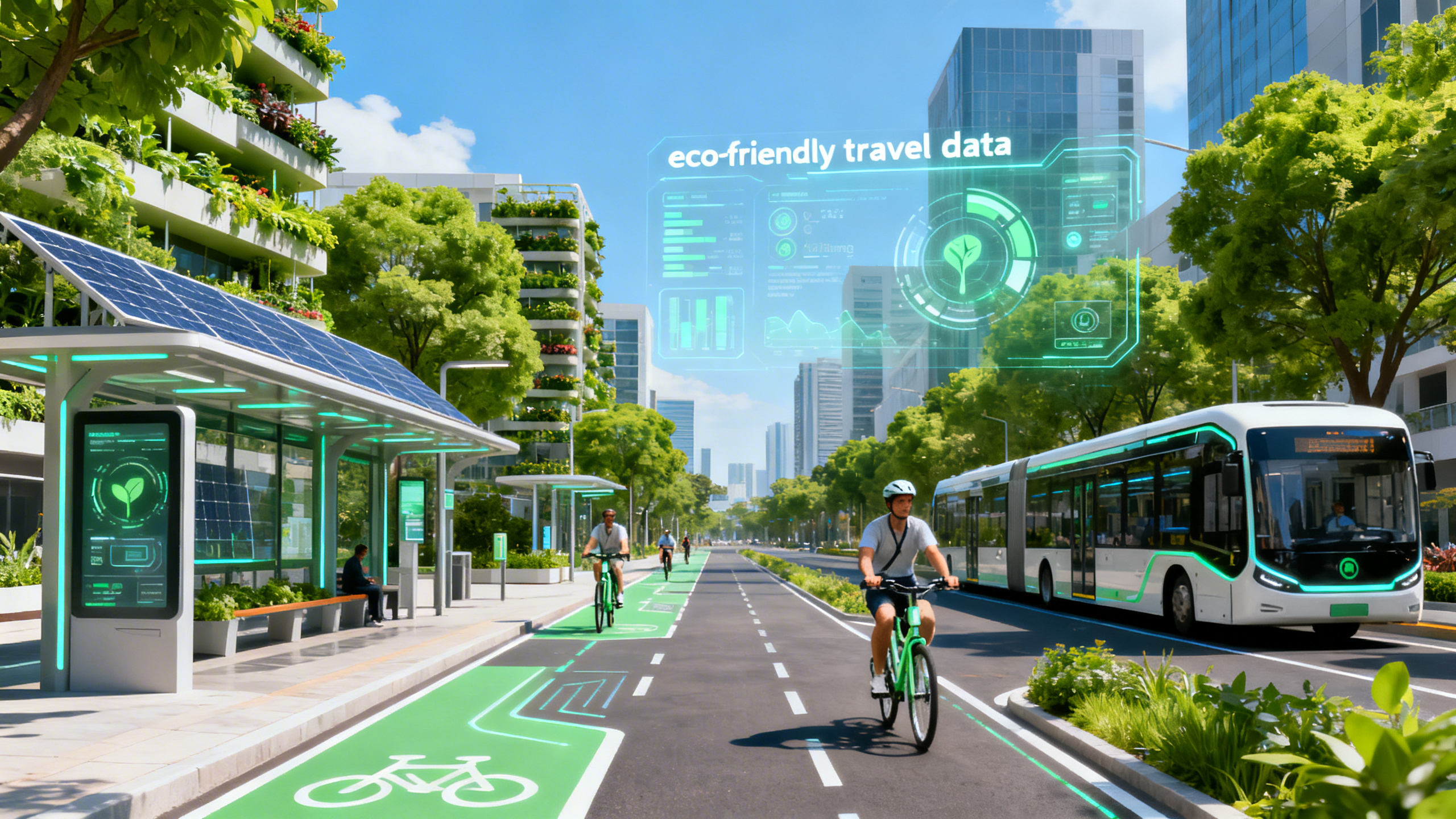
Why Sustainable Travel Matters More Than Ever in 2026
As the world becomes increasingly aware of environmental challenges, travel in 2026 demands a responsible approach. Sustainable travel is about minimizing the negative impacts of tourism on the environment, culture, and local communities while maximizing positive contributions. This year, travelers are not only seeking to explore the world but also to protect it for future generations. The urgency to reduce carbon footprints and support ethical tourism practices has never been greater.
Today’s travelers have an unprecedented opportunity to make a real difference. For example, choosing eco-certified accommodations helps promote energy efficiency, water conservation, and waste reduction. Many hotels and lodges worldwide now participate in sustainability programs that guarantee a commitment to green practices. This means you can enjoy luxury and comfort without compromising your ecological values.
Smart Travel Planning: How to Prepare for a Sustainable Trip
Smart travel planning in 2026 begins with research and intentional choices. Opting for direct flights instead of connecting ones reduces carbon emissions significantly, as takeoffs and landings contribute disproportionately to pollution. In addition, consider alternative transportation like trains or buses for shorter distances. For instance, Europe has expanded its extensive high-speed rail networks that offer fast, comfortable, and greener travel options compared to air travel.
Booking with eco-friendly travel agencies is another savvy tactic. These agencies focus on responsible tourism experiences that prioritize community benefits and environmental care. They often partner with local guides who provide authentic cultural insights and help preserve indigenous traditions. This approach enriches your travel experience while supporting sustainable development on the ground.
On-the-Go Sustainability: Smart Tips During Your Travels
Once on the road, there are practical steps you can take to minimize your ecological footprint. Carry reusable water bottles, utensils, and shopping bags to avoid single-use plastics, which remain a significant global pollutant. Many popular destinations now have refill stations for water, making it easy to stay hydrated without waste.
Conscious consumerism is also vital. Choose local and organic food at markets or restaurants that source ingredients sustainably. This not only reduces emissions related to food transport but also supports local farmers and economies. Examples include dining at farm-to-table eateries in regions like Tuscany or the Pacific Northwest, where the emphasis is on freshness and minimal environmental impact.
Leveraging Technology for Smarter, Greener Adventures
Technology plays a pivotal role in enhancing sustainable travel in 2026. Mobile apps now allow travelers to calculate their carbon footprint, find sustainable accommodation options, and discover eco-friendly activities. For instance, apps like “Green Travel Tracker” offer real-time sustainability ratings of hotels and tours, empowering users to make informed decisions.
Additionally, smart luggage with built-in chargers and tracking devices helps reduce the hassle and waste associated with lost or broken bags. Digital boarding passes and e-tickets also reduce paper waste, streamlining the travel process while being eco-conscious at the same time.
Engaging with Local Communities Responsibly
Responsible engagement with local communities is a cornerstone of sustainable travel. In 2026, travelers are encouraged to respect cultural sensitivities, support locally owned businesses, and participate in community-led tourism initiatives. This interaction fosters mutual respect and preserves unique cultural heritage. For example, joining guided tours operated by indigenous peoples in places like New Zealand or Peru not only enriches your understanding but also channels tourism revenue directly into these communities.
Moreover, volunteering opportunities abound for travelers who want to give back meaningfully, whether through environmental conservation projects or educational programs. However, it’s essential to research thoroughly to ensure that volunteer programs are ethical and beneficial rather than exploitative.
Conclusion: Becoming a Conscious Traveler in 2026
Travel in 2026 offers incredible opportunities to explore the world while taking care of it. By embracing sustainable and smart travel practices—such as choosing eco-friendly accommodations, planning efficient transport, minimizing waste, leveraging technology, and respecting local cultures—travelers can contribute to a healthier planet and richer travel experiences. Small changes in how we travel collectively become powerful catalysts for positive change.
Adopting these sustainable strategies ensures that we don’t just leave footprints behind but a legacy of respect, awareness, and care for the environments and communities that make travel truly magical.