
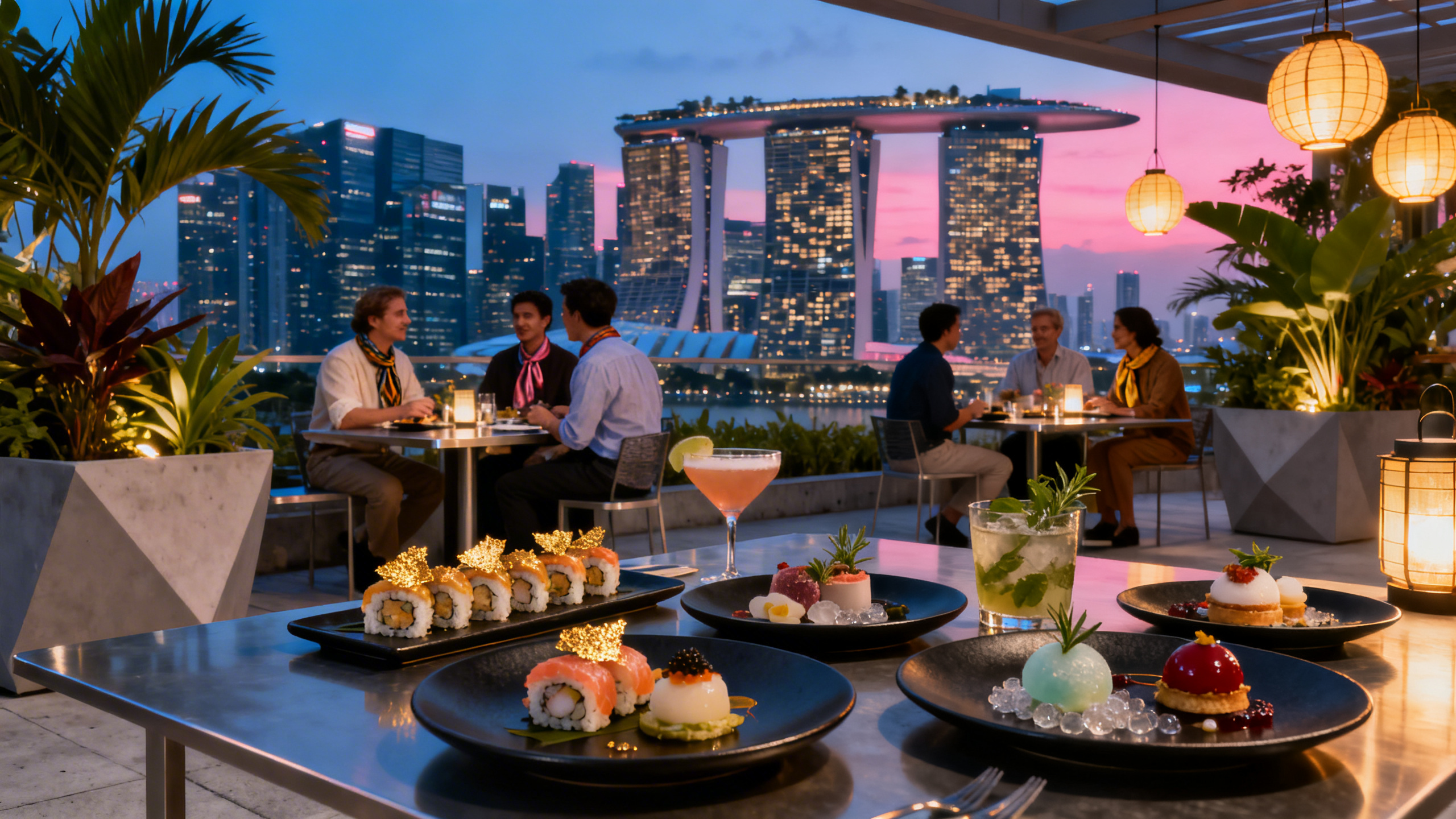
Introduction to Singapore’s Culinary Renaissance
Singapore, a city-state renowned for its vibrant food scene, is experiencing a gastronomic renaissance in 2026. This revival is not just a continuation of its rich food heritage but an exciting blend of innovation, sustainability, and global influences. Food lovers visiting Singapore today will find a dynamic culinary landscape that stays true to its roots while boldly exploring new frontiers.
What makes Singapore’s food scene exceptional in 2026 is the fusion of traditional flavors with modern techniques and the rise of eco-conscious dining. This evolution reflects the global movement toward sustainability without compromising taste or cultural integrity, making it a fascinating destination for any culinary enthusiast.
Key Food Trends Shaping Singapore’s Culinary Scene
One prominent trend is the rise of plant-based and alternative protein dishes. Chefs are creatively mimicking classic Singaporean favorites like laksa and chili crab using plant-based ingredients. This shift is driven by growing consumer demand for healthier and more sustainable food options, while still preserving the iconic flavors that define Singaporean cuisine.
Another notable trend is the emphasis on hyper-local ingredients and heritage recipes. Many eateries now source directly from local farms and traditional suppliers, preserving indigenous flavors and supporting local communities. This movement highlights Singapore’s commitment to sustainability and the authenticity of its culinary traditions.
Digital innovation also plays a significant role in 2026. From AI-driven menu personalization to virtual reality dining experiences, technology is enhancing how diners interact with their food, creating immersive and personalized culinary journeys like never before.
Must-Visit Eateries in Singapore in 2026
1. Labyrinth: Known for reinventing Singaporean cuisine, Labyrinth continues to surprise with dishes that celebrate local ingredients through modern techniques. Its signature menu, featuring native spices and produce, offers a sophisticated and authentic taste of Singapore’s food culture.
2. Candlenut: Recognized as the world’s first Michelin-starred Peranakan restaurant, Candlenut blends traditional recipes with contemporary presentation, offering a rich dive into Peranakan heritage amid a stylish setting.
3. Open Farm Community: A pioneer in farm-to-table dining, this eatery champions sustainability and local produce. Visitors can enjoy seasonal, organically grown ingredients in creative dishes that reflect Singapore’s agrarian roots.
4. Labyrinth: For an experience that merges technology and cuisine, Labyrinth’s recent VR-enhanced dining events provide an immersive exploration of Singapore’s culinary story, appealing to tech-savvy food enthusiasts.
5. Hawker Stalls: Don’t miss the timeless hawker stalls such as Tian Tian Hainanese Chicken Rice and Hill Street Fried Kway Teow. These heritage spots remain essential to Singapore’s food identity and continue to draw locals and tourists alike with their unbeatable flavors and bustling atmospheres.
Conclusion
Singapore’s culinary renaissance in 2026 is a compelling blend of tradition and innovation, sustainability and flavor, heritage and modernity. Whether you are seeking nostalgic dishes or futuristic dining experiences, Singapore offers an unparalleled array of options that cater to every palate and preference. This year, make sure to immerse yourself in the city’s evolving food culture, where each bite tells a story of rich history and visionary creativity. Planning a trip to Singapore soon? Prepare for a culinary journey that will both satisfy and inspire.