
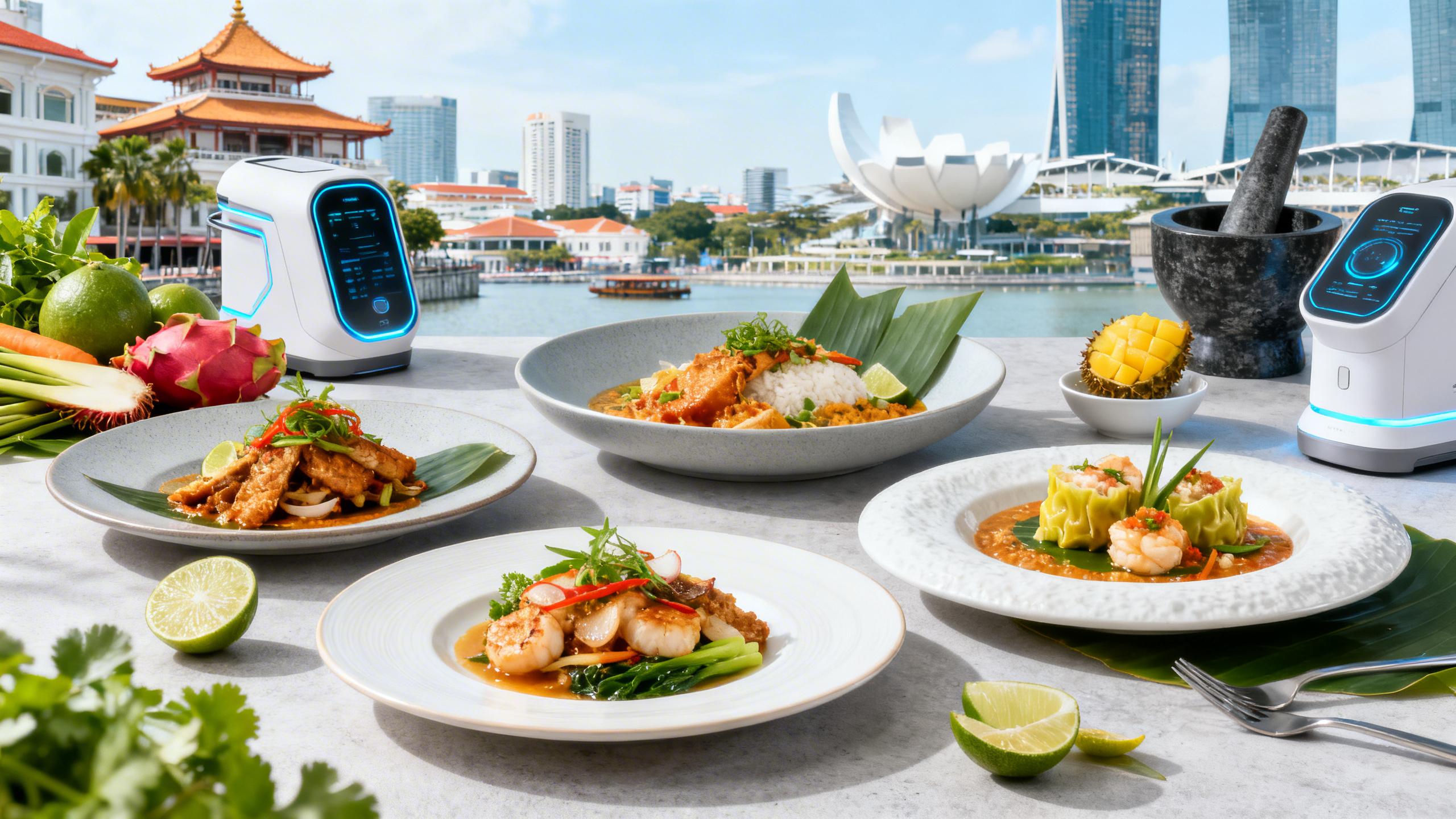
Introduction to Singapore’s Vibrant Culinary Scene in 2026
Singapore has always been a melting pot of cultures, flavors, and gastronomic creativity. As we step into 2026, the city-state’s food scene is evolving in exciting new directions, blending tradition with innovation. Whether you’re a local food enthusiast or a traveler craving authentic yet novel tastes, exploring Singapore’s 2026 food trends promises an immersive culinary journey that delights the senses and expands your palate.
From sustainable dining to tech-enhanced experiences, the trends this year not only celebrate Singapore’s heritage but also embrace global influences and cutting-edge developments. This blog dives deep into these trends, offering a comprehensive glimpse into what makes Singapore a top destination for food lovers.
1. Sustainable and Plant-Based Eating Takes Center Stage
Sustainability is no longer just a buzzword; it’s a foundational element of Singapore’s food industry in 2026. More restaurants and hawker stalls are prioritizing eco-friendly practices by sourcing local, seasonal ingredients and reducing food waste. Notably, vertical farms and urban gardening projects across the city are flourishing, bringing fresh produce closer to the table and minimizing environmental impact.
The rise of plant-based diets continues robustly, with innovative vegetarian and vegan options becoming mainstream. Singapore-based startups are launching lab-grown meats and plant-based seafood that replicate traditional flavors with minimal carbon footprints. Eateries like ‘Grains of Paradise’ and ‘Afterglow by Anglow’ exemplify this trend by crafting delicious, visually stunning plant-based dishes that appeal even to avid meat lovers.
2. Fusion of Traditional and Modern Flavors
In 2026, fusion cuisine in Singapore has reached new heights, blending classic local flavors like laksa, chili crab, and Hainanese chicken rice with international culinary techniques and ingredients. Innovative chefs use molecular gastronomy, sous-vide cooking, and fermentation to reinvent beloved dishes while staying true to their roots.
This trend is prevalent in both fine dining and hawker culture. For instance, ‘Meta’ restaurant offers a multi-sensory dining experience where traditional Peranakan recipes are deconstructed and reimagined, creating a harmonious dialogue between the past and the present. On the hawker front, stalls are experimenting by adding global spices or pairing local dishes with unexpected side accompaniments, showcasing the dynamic nature of Singaporean cuisine.
3. Tech-Driven Culinary Experiences
With Singapore’s reputation as a smart city, it’s no surprise that technology is increasingly integrated into the food scene. In 2026, augmented reality (AR) menus and AI-powered recommendations enrich diners’ experiences, making meal selection interactive and personalized.
Robotics and automation have also expanded beyond the kitchen to front-of-house roles, enhancing service efficiency without compromising the warm hospitality Singapore is known for. Contactless ordering, AI-chef collaborations, and even 3D-printed desserts have become common, underscoring the fusion of technology and tradition in the city’s culinary landscape.
4. Revival of Heritage Food with a Modern Twist
While innovation is key, Singaporeans deeply cherish their culinary heritage. This year, there is a robust revival of heritage dishes with contemporary adaptations that respect traditional cooking methods yet appeal to modern tastes.
Chefs and food historians collaborate to rediscover lost recipes, often documenting them through multimedia projects that highlight food’s cultural significance. Popular examples include revamped renditions of kueh (traditional sweets), traditional noodle dishes made gluten-free, and kampong-style meals served in trendy cafes. This allows younger generations and tourists alike to connect with Singapore’s rich food history in an accessible and tasty way.
5. Emphasis on Health and Wellness
Health-conscious dining continues its upward trend in Singapore as consumers seek balanced meals that nourish body and mind. The increasing demand for organic, low-sugar, and immunity-boosting foods is visibly influencing restaurant menus and packaged food products alike.
Functional ingredients like turmeric, ginger, and fermented foods are featured prominently, reflecting a deeper integration of wellness principles into everyday eating habits. Specialty cafes offer customizable bowls with superfoods, and nutritional transparency is becoming a standard practice, empowering guests to make informed decisions about what they eat.
Conclusion
Singapore’s food landscape in 2026 is a perfect blend of sustainability, innovation, heritage, and health. It offers a unique culinary journey that invites food lovers to explore diverse flavors, cutting-edge dining experiences, and meaningful connections to culture and environment.
Whether you’re indulging in a plant-based feast, experimenting with futuristic food tech, or savoring a modern take on a traditional recipe, Singapore’s 2026 food trends ensure an unforgettable gastronomic adventure that reflects the city’s dynamic spirit and forward-thinking mindset.