
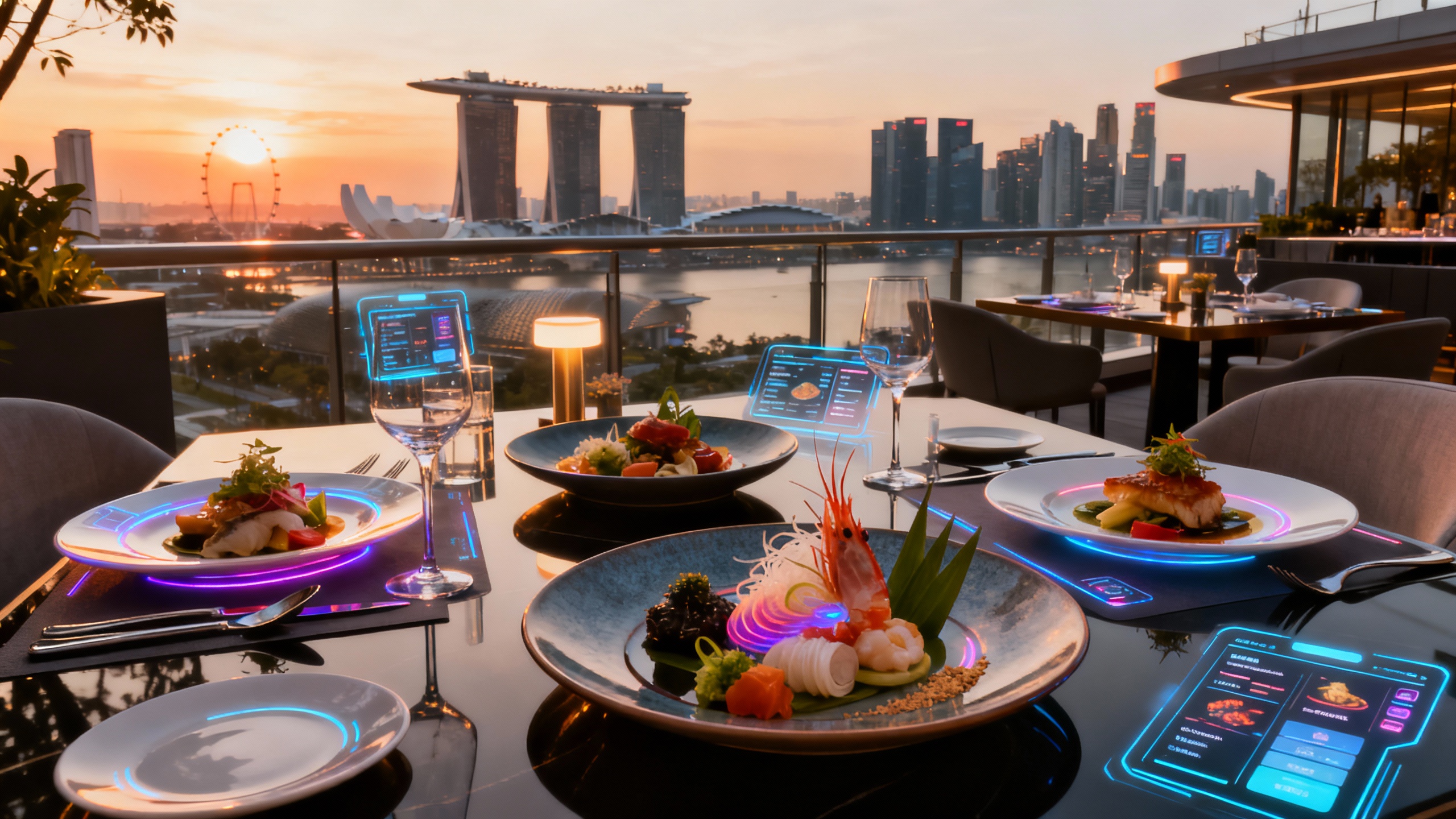
Introduction to Singapore’s Culinary Scene in 2026
Singapore, a vibrant melting pot of cultures and cuisines, continues to reinvent its culinary landscape in 2026. Known globally for its rich food heritage, the city-state’s dining scene now embraces both tradition and innovation, creating a dynamic food culture that captivates locals and travelers alike. This year, Singapore’s food trends showcase a fascinating blend of sustainable eating, technology integration, and cultural fusion, setting new standards for gastronomy in Asia and beyond.
With the world’s increased focus on health, sustainability, and unique dining experiences, Singapore’s food industry has risen to the occasion by innovating while respecting its heritage. From hawker centres to upscale restaurants, 2026 brings a diverse array of culinary delights that promise to excite the palate and inspire conscious dining.
Sustainability and Plant-Based Cuisine Take Center Stage
One of the most prominent trends in Singapore’s food scene this year is its strong emphasis on sustainability. Consumers are more environmentally conscious, leading to a surge in plant-based and alternative protein options. The rise of innovative food startups, including lab-grown meat and plant-based seafood, marks an exciting development that expands beyond the vegetarian niche.
For example, several hawker stalls and eateries are introducing creative versions of traditional dishes, such as plant-based laksa and vegan char kway teow, that retain authentic flavors while reducing their carbon footprint. This not only appeals to vegetarians but also attracts curious foodies eager to explore new tastes without compromising on sustainability.
Tech-Driven Dining Experiences
In 2026, technology continues to reshape how food is prepared, served, and enjoyed in Singapore. Contactless ordering systems and AI-powered personalized menus have become commonplace in many establishments, enhancing convenience and customer satisfaction. Smart kitchens equipped with robotics help maintain high standards of hygiene and efficiency while allowing chefs to focus on creativity.
Moreover, immersive dining experiences that blend augmented reality (AR) with food presentation are gaining traction. These futuristic concepts allow diners to engage all their senses, sometimes overlaying cultural stories and nutritional information on their plates—turning a meal into an educational and memorable event.
Cultural Fusion and Revived Heritage
Singapore’s multicultural heritage is a cornerstone of its food identity, and 2026 brings an exciting revival and fusion of diverse culinary traditions. Chefs are skillfully blending Peranakan, Malay, Chinese, Indian, and Western influences to create bold new dishes that pay homage to Singapore’s history while appealing to modern tastes.
A notable example includes contemporary Peranakan cuisine that uses locally sourced ingredients and innovative cooking techniques, providing a fresh twist on classic flavors. Additionally, forgotten recipes and ingredients are being revived through collaborations between veteran hawkers and young culinary talents, cultivating a rich dialogue between generations and preserving Singapore’s culinary heritage.
Food Tourism and Culinary Events
As Singapore positions itself as a premier food tourism destination in 2026, several major events highlight the city’s culinary prowess. The Singapore Food Festival continues to draw international visitors, offering immersive food tours, workshops, and chef showcases that celebrate local and global gastronomy.
Additionally, new food trails focusing on sustainable eating, street food history, and innovative dining pop-ups invite tourists and locals alike to deepen their appreciation of Singapore’s diverse food culture. This integration of education, entertainment, and sustainability is enhancing the overall travel experience and inspiring responsible culinary tourism.
Conclusion: A Delicious Future Awaits
Singapore’s food trends in 2026 demonstrate a vibrant and forward-thinking culinary scene that honors its diverse roots while embracing sustainability, technology, and innovation. Whether you’re a passionate foodie, a curious traveler, or an environmentally conscious eater, Singapore offers a rich tapestry of flavors and experiences that promise to delight and inspire.
As the city continues to evolve its food culture, one thing remains clear: Singapore is not just a destination to eat but a place to savor the future of food. Embarking on this culinary journey is a must for anyone eager to witness how tradition meets innovation on the plate.