
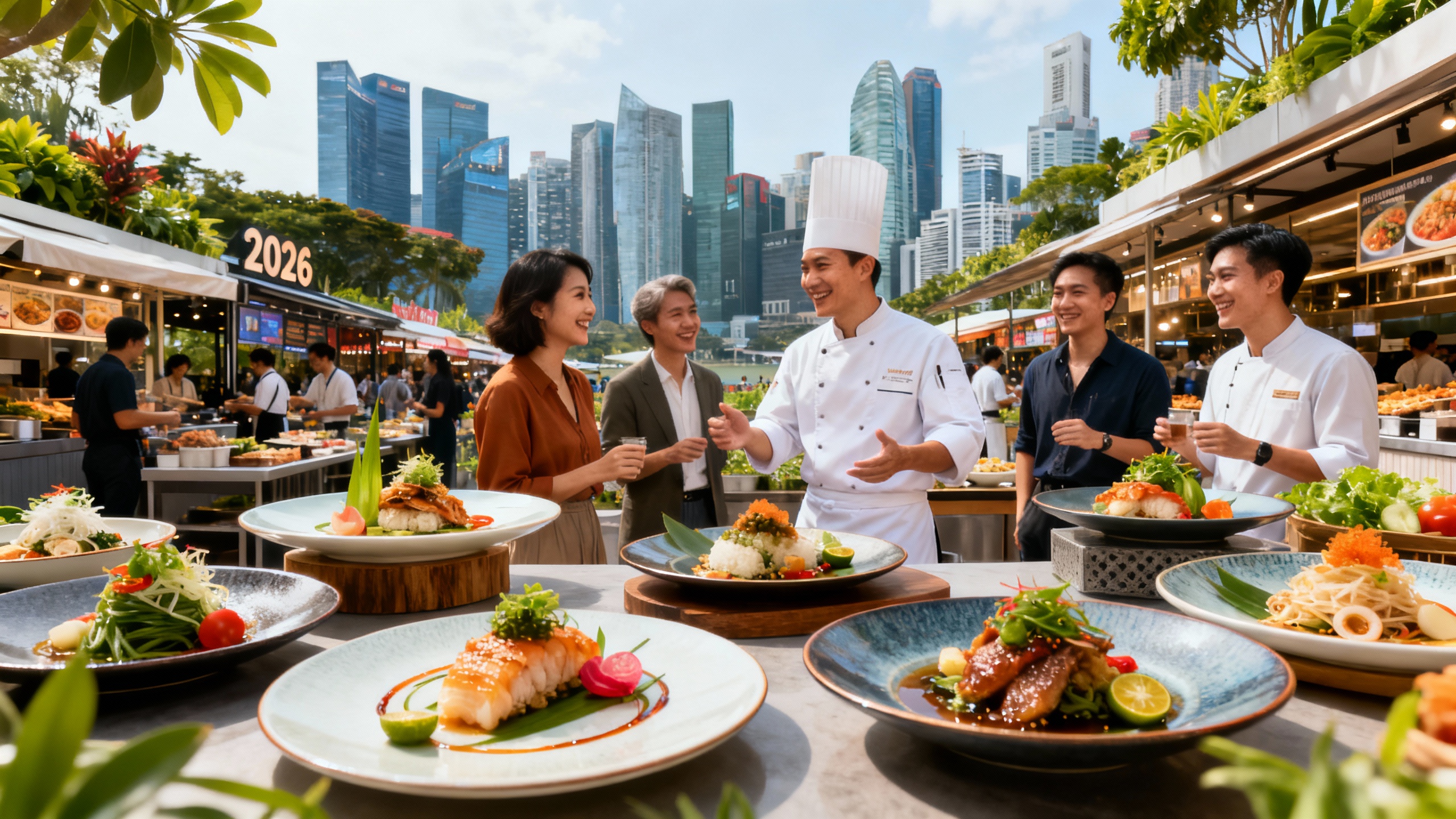
Introduction to Singapore’s Culinary Landscape in 2026
Singapore, renowned for its vibrant food culture, remains a global gastronomic hotspot in 2026. This city-state effortlessly blends tradition with innovation, and its food scene is a perfect reflection of that. In 2026, food enthusiasts are witnessing a culinary evolution that marries sustainability, technology, and diverse cultural influences. Singapore’s food trends not only showcase the island’s rich heritage but also pave the way for future dining experiences.
The bustling hawker centers, elegant fine dining establishments, and experimental pop-up eateries continue to captivate locals and tourists alike. Understanding the emerging trends of this year offers a valuable glimpse into the city’s evolving palate and social values around food.
Sustainability Takes Center Stage
One of the most noteworthy trends dominating Singapore’s food scene in 2026 is a strong focus on sustainability. Restaurants and food producers are increasingly adopting eco-friendly practices such as sourcing locally grown produce, minimizing food waste, and using biodegradable packaging. For example, innovative urban farms like Sky Greens supply fresh vegetables grown using aeroponics methods directly to city restaurants, reducing carbon footprints significantly.
Moreover, plant-based and alternative protein sources continue to rise in popularity. Dishes made from lab-grown meat, insects, and plant-based substitutes are becoming mainstream offerings, appealing not only to vegetarians but also to flexitarians seeking healthier and environmentally conscious choices. This shift reflects a broader cultural movement towards conscientious eating habits among Singaporeans, influenced by global climate awareness.
Fusion and Heritage: A Culinary Melting Pot
Singapore’s food trends in 2026 highlight an exciting mix of innovation and respect for heritage. Chefs creatively blend traditional Peranakan, Malay, Chinese, and Indian flavors with modern culinary techniques. This fusion approach revitalizes classic dishes while introducing new flavors and textures that surprise and delight diners.
Take, for instance, the emergence of innovative hawker stalls revamping old recipes with contemporary twists—char kway teow with smoked duck or laksa infused with truffle oil. These adaptations honor the city’s multicultural food roots but also push the boundaries to attract younger generations and international gourmets. The blend of nostalgia and novelty creates a unique and deeply satisfying gastronomic experience.
Technology Enhancing the Dining Experience
Technology plays a pivotal role in shaping Singapore’s food trends this year. From AI-powered personalized menus to robotic chefs, the integration of advanced technology promises enhanced efficiency, customization, and hygiene in dining. For example, some restaurants now offer AI-curated tasting menus based on diners’ preferences and dietary restrictions, ensuring a tailor-made culinary journey every time.
Additionally, food delivery platforms have become more sophisticated, incorporating real-time tracking and eco-friendly delivery options that cater to the city’s busy lifestyle. Virtual reality dining experiences and augmented reality menus are also beginning to make waves in select upscale restaurants, providing a futuristic and immersive way to appreciate food beyond taste and aroma.
Experiential Dining and Wellness Focus
In 2026, Singaporeans show a growing preference for experiential dining that combines culinary art with ambiance, storytelling, and wellness. Pop-up dining events in unusual locations, such as rooftop gardens or heritage sites, offer a multisensory experience connecting food with environment and culture.
Moreover, there is a strong emphasis on health and wellness through food. Many eateries now emphasize nutritionally balanced menus with organic ingredients, superfoods, and traditional medicinal herbs. Wellness cafés and juice bars promoting detox and functional foods have expanded across the city, responding to the increasing health-conscious mindset among consumers.
Conclusion: A Flavorful Future for Singapore
Singapore’s 2026 food trends paint a picture of a city embracing modernity without losing its cultural essence. Sustainability, technological innovation, cultural fusion, and wellness are shaping a dynamic food landscape that is as exciting as it is responsible. Whether you are a local food lover or a curious traveler, Singapore’s culinary journey in 2026 promises to be an unforgettable exploration of taste, tradition, and tomorrow’s food possibilities.