
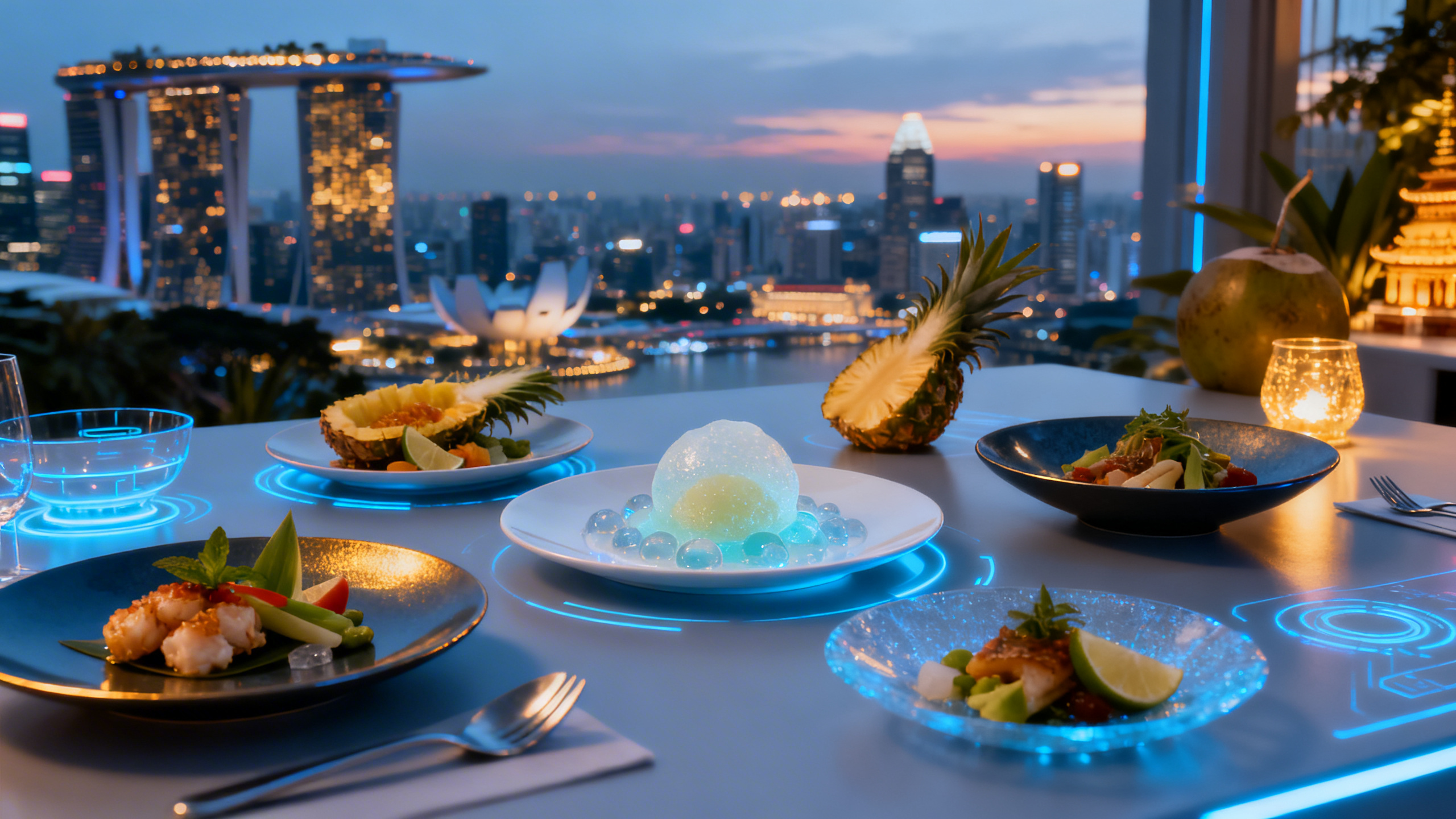
Introduction to Singapore’s Culinary Evolution in 2026
Singapore, renowned globally as a gastronomic paradise, continues to innovate and inspire with its dynamic food scene. As we embark on 2026, the city-state’s culinary landscape is a vibrant tapestry weaving tradition with futuristic trends that reflect both local heritage and global influences. This blog post delves deep into Singapore’s top food trends this year, offering a flavorful journey for food lovers and cultural enthusiasts alike.
The Rise of Sustainable and Ethical Dining
One of the most dominant trends shaping Singapore’s food scene in 2026 is sustainability. Diners and chefs alike are increasingly advocating for responsible sourcing and reduced food waste. Restaurants across the island are showcasing farm-to-table concepts, emphasizing locally grown produce and seafood responsibly harvested from Singapore’s waters and nearby regions. For example, well-known establishments like Open Farm Community champion urban farming initiatives, connecting diners to the origin of their meals through interactive culinary experiences.
The focus on ethical dining goes beyond ingredients to packaging innovations and energy-efficient kitchen technologies. Many eateries have transitioned to eco-friendly containers and biodegradable cutlery, reflecting a strong community push towards reducing the carbon footprint associated with dining out. This commitment appeals to the conscious consumer, blending taste with care for the environment.
Innovative Flavors from Fusion and Heritage Cuisines
Singapore’s multicultural identity is a fertile ground for exciting culinary fusions that blend Chinese, Malay, Indian, and Western influences seamlessly. In 2026, innovative chefs are pushing the boundaries with creative dishes that pay homage to traditional recipes while introducing new flavors and techniques. For instance, a modern take on the classic Laksa incorporates unexpected elements like truffle oil or plant-based proteins, creating a balanced harmony between authentic and contemporary.
Such fusion isn’t merely about novelty; it is a thoughtful exercise in cultural storytelling. Chefs like Violet Oon, a stalwart in Peranakan cuisine, continue to preserve heritage through dishes that are passed down generations but adapted to cater to modern palates. This trend offers a rich, immersive dining experience where flavor is intertwined with Singapore’s diverse cultural fabric.
Tech-Forward Dining Experiences
As a tech-savvy city, Singapore is increasingly integrating digital innovations in the culinary realm. In 2026, restaurants are leveraging AI and augmented reality (AR) to enhance customer experiences. For example, some establishments now offer AR menus that let diners see 3D representations of dishes before ordering, helping them make informed choices and elevating visual appeal.
Moreover, AI-driven analytics enable restaurants to personalize menus based on customer preferences and dietary needs, ensuring a tailored gastronomic journey. Automated kitchens and robotic servers are becoming more visible in high-end dining as well as quick-service venues, striking a balance between efficiency and quality. This tech-forward approach demonstrates Singapore’s commitment to pioneering future-ready foodservice models.
Plant-Based and Health-Conscious Cuisine
The global shift towards healthier and mindful eating is prominently reflected in Singapore’s 2026 food trends. Plant-based cuisine has not only gained mainstream acceptance but is now celebrated with gourmet creativity. Restaurants like Afterglow by Anglow showcase plant-powered dishes that are not just nutritious but also tantalize the taste buds with complex flavors and textures.
Health-conscious consumers can find diverse options catering to various dietary requirements such as gluten-free, keto-friendly, and low-sugar menus. Nutritional transparency is increasingly important, with clear labeling and holistic wellness concepts becoming standard practice. This trend reflects Singapore’s responsiveness to evolving consumer demands for food that nurtures both body and mind.
Street Food Reinvented and Elevated
Singapore’s iconic hawker culture remains a cherished part of its identity, and in 2026, it is experiencing a renaissance of sorts. Emerging chefs and hawkerpreneurs are reinventing street food classics by incorporating premium ingredients and refined techniques. This elevates everyday comfort food into gourmet experiences.
For example, the traditional Char Kway Teow has been reimagined with sustainable seafood and artisanal noodles, while Satay stalls infuse innovative marinades to build deeper layers of flavor. These elevated hawker experiences have also been recognized internationally, contributing to Singapore’s reputation as a culinary capital.
Conclusion: Embrace Singapore’s Culinary Future
Singapore’s food trends in 2026 reflect a beautiful confluence of sustainability, heritage, innovation, and health consciousness. This year promises a culinary journey that excites the senses and enriches the soul, inviting locals and travelers to explore the diverse and evolving flavors of this island city. Whether indulging in sustainable dining, savoring fusion masterpieces, or enjoying tech-enhanced meals, Singapore’s food scene offers an extraordinary experience that defines its spirit and forward-thinking ethos.
As you plan your next gastronomic adventure in Singapore, prepare to be amazed by these exciting trends that celebrate tradition and innovation in equal measure.