
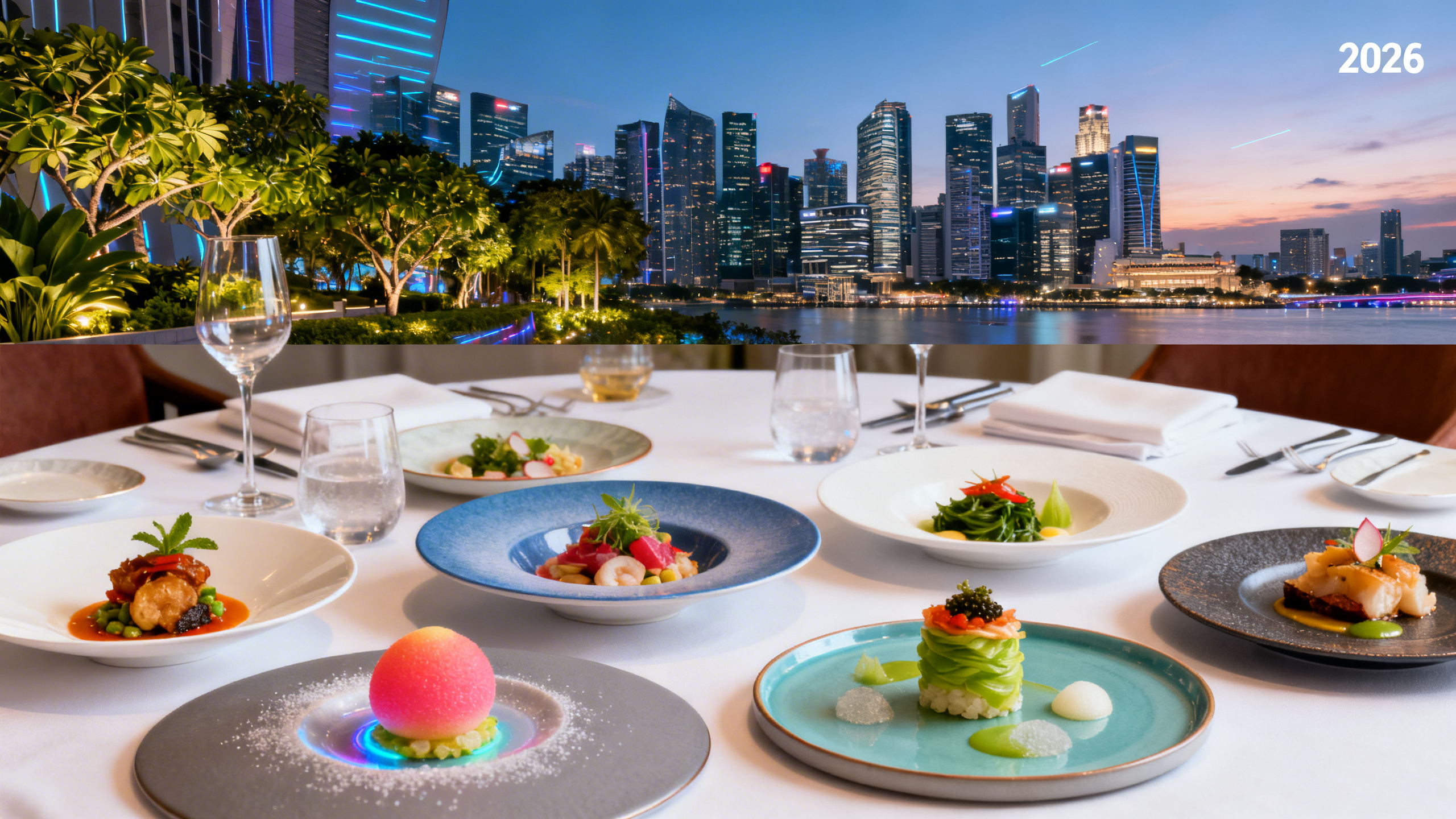
Introduction to Singapore’s Vibrant Food Scene in 2026
Singapore has always been a melting pot of culinary influences, blending flavors from its rich multicultural heritage. In 2026, the nation’s food scene continues to evolve, embracing new trends that both preserve tradition and innovate boldly. From hawker stalls to high-end restaurants, Singapore is setting new standards as a global food capital with an exciting lineup of food trends that every foodie should experience.
This blog post dives deep into Singapore’s dynamic food landscape for 2026, charting a savory course that reflects local innovations, sustainability efforts, and a fusion of flavors that delight the senses.
Sustainable and Eco-Conscious Dining
One of the most prominent food trends in Singapore in 2026 is a commitment to sustainability. Restaurants and hawker stalls alike are embracing eco-friendly practices. From farm-to-table initiatives to the reduction of single-use plastics, there’s a tangible shift towards environmental responsibility.
Examples include the rise of urban farms such as rooftop gardens and vertical farming projects that supply fresh, locally grown produce directly to eateries. This not only reduces carbon footprints but also guarantees the freshest ingredients for consumers. Additionally, many chefs are creatively incorporating food waste into dishes or finding ways to compost, supporting a circular food economy deeply rooted in Singaporean culinary practice.
Innovative Fusion of Traditional and Modern Flavors
Singapore’s multicultural backdrop continues to inspire chefs who fuse traditional flavors with contemporary techniques and ingredients. In 2026, expect to see new renditions of beloved dishes. For instance, classic Hainanese chicken rice might be reimagined with organic heritage chicken paired with artisanal side sauces, or sambal chili proudly made with locally sourced spices highlighted in upscale presentations.
Food innovators are also drawing from global palettes, integrating influences from Korean, Japanese, Middle Eastern, and Latin American cuisines, creating bold, unexpected flavor profiles. This trend invigorates the food scene with endless creativity, fostering a truly cosmopolitan dining experience grounded in strong cultural roots.
Plant-Based and Alternative Proteins Take Center Stage
Following global health and environmental trends, Singapore’s 2026 food scene prominently features plant-based eating. More eateries offer dishes crafted from innovative alternative proteins such as lab-grown meats, plant-based seafood, and locally produced soy or pea protein products.
This shift reflects rising consumer awareness of health benefits and ethical considerations around meat consumption. For example, eateries like Tiong Bahru’s plant-forward bistros are gaining popularity for their inventive, hearty dishes that satisfy all palates—from vegan newbies to meat lovers seeking moderation.
Tech-Driven Culinary Experiences
Singapore’s reputation as a technology hub extends to its dining scene with increasing integration of digital innovation. Robot servers, AI-powered personalized menus, and virtual reality dining experiences are becoming immersive parts of the culinary journey.
In 2026, some restaurants deploy AI to tailor dish recommendations based on individual taste profiles or to pair wines with meals dynamically. Additionally, cloud kitchens supported by app-based ordering help bring gourmet dishes to your doorstep without compromising quality. This fusion of tech and taste makes Singapore a pioneer in embracing futuristic dining.
Celebrating Heritage Through Food Festivals and Hawker Culture
Despite all the modern trends, there is strong reverence and celebration of Singapore’s food heritage. Food festivals in 2026 emphasize storytelling and cultural preservation, showcasing traditional recipes from various ethnic groups united under the national culinary identity.
The iconic hawker centers remain vital, continually innovating while preserving their role as affordable, authentic taste hubs. For example, new hawker stalls opening in 2026 often incorporate sustainability principles and diverse ethnic recipes, maintaining the beloved communal and accessible spirit of Singapore’s food culture.
Conclusion: Embarking on Singapore’s Culinary Adventure
Singapore’s food trends in 2026 illustrate a vibrant and forward-thinking culinary landscape where tradition meets innovation with a conscientious heart. Whether you are a seasoned foodie or a curious traveler, this year offers unparalleled opportunities to explore diverse flavors, sustainable practices, and technological marvels in dining.
From savoring reimagined classics to experiencing tech-enhanced meals, Singapore invites you on a unique culinary journey that nourishes both body and soul in this exciting new year.