
Introduction to Singapore’s 2026 Food Scene
Singapore is renowned worldwide as a culinary hub where tradition meets innovation, creating a tapestry of flavors that captivate food lovers globally. In 2026, Singapore’s food landscape continues to evolve, embracing new trends while honoring its rich multicultural heritage. For travelers and food enthusiasts alike, understanding these food trends offers an immersive experience into the city-state’s vibrant culinary scene.
What makes Singapore’s cuisine uniquely dynamic is its seamless fusion of cultures—Chinese, Malay, Indian, and Western influences—that shape the local palate. This year, the emphasis is on sustainability, health-conscious dining, and technology-enhanced food experiences, alongside a renaissance of traditional dishes with modern twists.
Embracing Sustainability and Plant-Based Innovation
One of the defining trends of 2026 is the heightened focus on sustainability. Singapore is increasingly promoting eco-friendly dining options, with many restaurants adopting sustainable sourcing practices and reducing waste. Urban farming and vertical gardens are becoming part of the local supply chain, offering fresh, hyper-local produce that supports environmental conservation.
Plant-based diets are more prominent than ever. Innovative chefs in Singapore are crafting plant-based versions of signature dishes that appeal not only to vegetarians but also to curious foodies. For example, plant-based renditions of Hainanese chicken rice and laksa now feature on menus, retaining the authentic flavors while using meat alternatives made from soy, mushrooms, or even lab-grown proteins. This movement not only caters to health-conscious diners but also addresses environmental concerns linked to meat consumption.
Technology Meets Tradition: The Rise of AI and Digital Dining
Technology is transforming how Singaporeans and visitors experience food. AI-driven personalization is helping diners discover dishes tailored to their dietary needs and flavor preferences. Digital menus powered by augmented reality (AR) are bringing an interactive element to food ordering, enhancing the visual appeal and engagement before even tasting the meal.
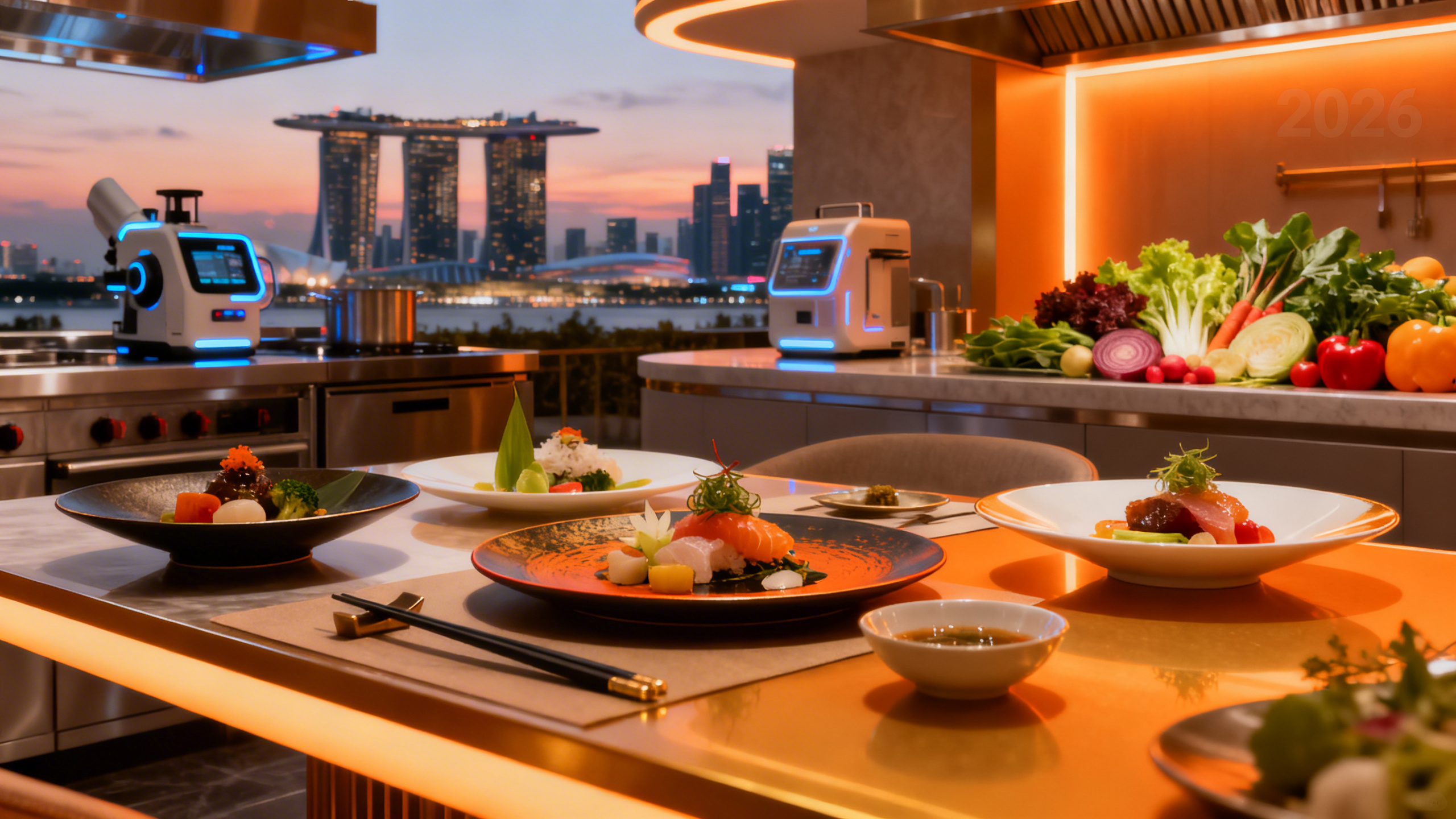
Moreover, robotic chefs and automated kitchens are quietly revolutionizing back-end operations, ensuring consistency and efficiency. These tech advances do not replace human creativity but augment it—inspired by the desire to deliver exceptional dining experiences. This trend exemplifies Singapore’s position at the forefront of culinary innovation, where technology enhances both the quality and enjoyment of food.
Rediscovering Heritage with Contemporary Flavors
While innovation is key, there is a deep reverence for heritage flavors in Singapore’s 2026 food scene. Many chefs are revisiting traditional recipes passed down through generations, infusing them with modern cooking techniques and presentation styles that appeal to contemporary tastes. This creates a new appreciation for Singaporean classics among younger generations and international guests.
For instance, Peranakan cuisine, known for its rich and complex flavors, is seeing a resurgence. Restaurants are using locally sourced ingredients with refined plating and lighter preparations to keep the essence intact but accommodate health trends and modern aesthetics. These efforts celebrate cultural identity and storytelling through food, offering diners more than just a meal but a cultural experience steeped in history.
Street Food Evolution: Hawker Culture Meets Gourmet
Singapore’s hawker centers remain iconic, but 2026 brings a fresh twist by blending street food authenticity with gourmet finesse. New hawker stalls are introducing globally inspired flavors alongside traditional favorites, using premium ingredients and innovative techniques. This evolution of hawker fare provides exciting options for both budget-conscious travelers and gourmet seekers.
The government continues its support for hawkers by promoting cleanliness, digitizing payment systems, and fostering young talent. This ensures the hawker culture’s vitality while adapting it to modern expectations. Trying out these elevated hawker dishes is essential to experiencing Singapore’s culinary spirit at its most grassroots level.
Conclusion: A Dynamic Culinary Landscape in 2026
Singapore’s 2026 food trends beautifully illustrate how a city can honor its rich culinary heritage while embracing progress and sustainability. From eco-conscious dining to tech-enhanced experiences and a renewed focus on heritage flavors, the city offers a diverse dining journey that appeals to all senses and sensibilities.
For travelers, immersing themselves in Singapore’s food culture in 2026 means savoring more than just delicious meals—it’s about connecting with the stories, innovations, and people that make this culinary destination truly remarkable. Whether you wander through bustling hawker centers or indulge in cutting-edge restaurants, Singapore’s food scene promises an unforgettable gastronomic adventure this year.