
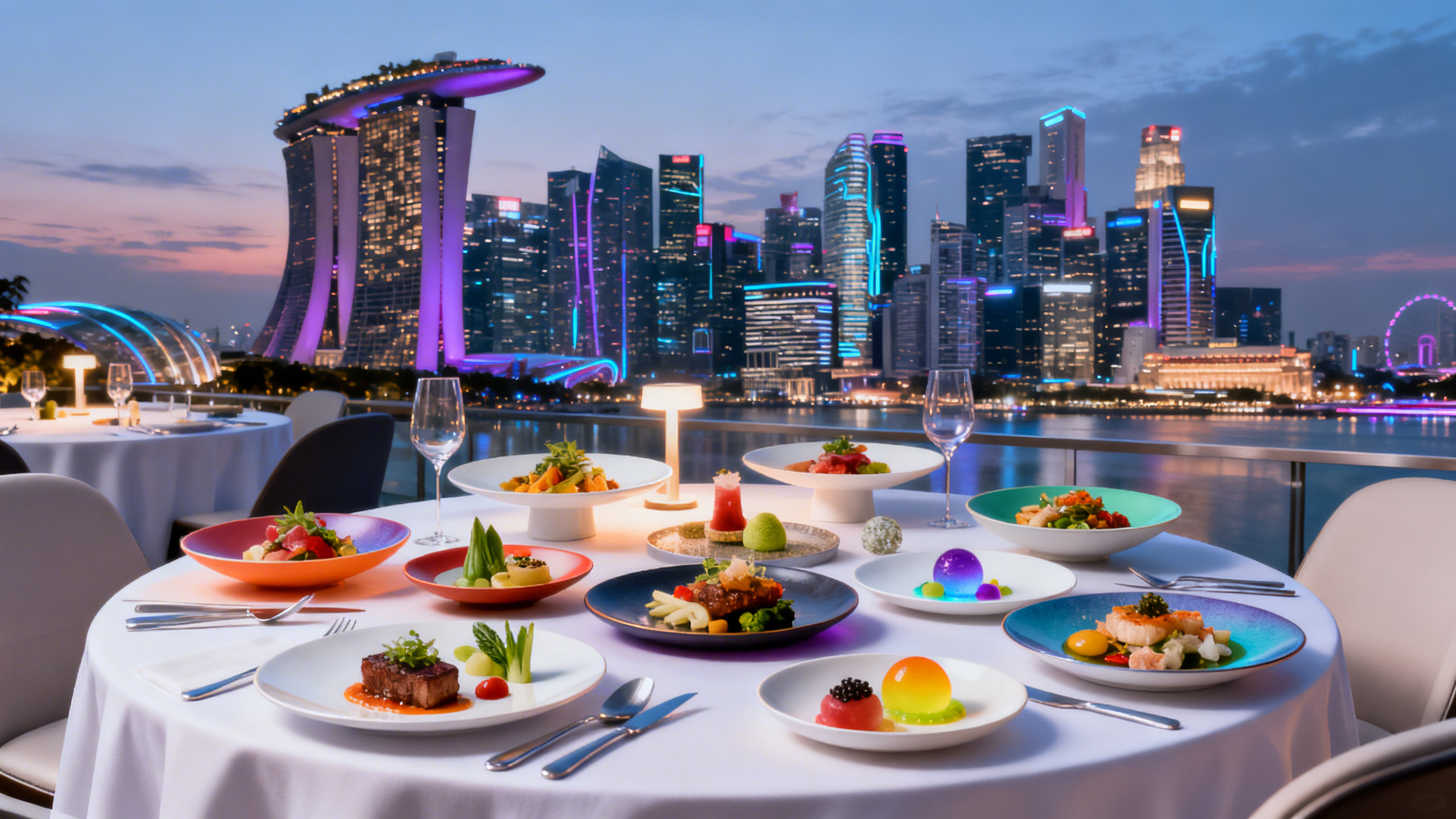
Introduction to Singapore’s Vibrant Food Scene in 2026
Singapore has long been celebrated as a global culinary hub, where East meets West in a harmonious blend of flavors, cultures, and cooking techniques. As we step into 2026, the city-state continues to push the boundaries of its food scene, blending tradition with innovation to captivate locals and tourists alike. Whether you’re a seasoned food lover or a curious traveler, Singapore’s food trends this year promise an exhilarating and mouthwatering journey.
With a rich tapestry of multicultural influences, Singapore’s food scene is always evolving, reflecting broader trends in health, technology, sustainability, and global gastronomy. Let’s take a deep dive into what’s shaping Singapore’s food culture in 2026.
1. Sustainable and Plant-Based Dining Takes Center Stage
Sustainability is no longer a niche trend but a necessity in Singapore’s food industry. In 2026, the push towards plant-based dining is stronger than ever, driven by environmental concerns and health-conscious consumers. Restaurants are innovating beyond traditional meat alternatives, introducing locally sourced ingredients like jackfruit, tempeh, and even seaweed-based products that are both nutritious and flavorful.
For example, hawker stalls, famed for their affordability and rich heritage, are embracing sustainable practices by reducing food waste and offering vegan-friendly versions of classic dishes such as chili crab and laksa. Moreover, urban farms are booming in Singapore, supplying fresh herbs, microgreens, and vegetables directly to eateries, reinforcing the farm-to-table philosophy right in the heart of the city.
2. Tech-Driven Culinary Experiences
Technology is transforming how food is prepared, served, and experienced in Singapore. Advances in robotics and AI are becoming integral in kitchens, allowing chefs to experiment with precision cooking techniques and reduce human error. For example, AI-powered systems analyze dining preferences and help tailor menus that cater to individual nutritional needs and taste profiles.
Beyond the kitchen, immersive dining experiences combining augmented reality (AR) and virtual reality (VR) are gaining popularity. Some upscale restaurants now offer interactive storytelling meals, where diners can visualize the origin of their ingredients or the cultural history of the dish through AR glasses, creating a captivating sensory journey.
3. Revival and Reinvention of Traditional Flavors
While innovation is key, Singapore’s culinary identity remains deeply rooted in its traditional dishes. This year sees a wave of chefs returning to their roots, revisiting heritage recipes but reinventing them with modern twists. Expect to find classic favorites like Hainanese chicken rice, kaya toast, and char kway teow served with unexpected ingredients or plating styles that elevate the experience without losing authenticity.
This trend also reflects a broader cultural movement to preserve Singapore’s food heritage amid rapid modernization. Initiatives such as food festivals and heritage cooking classes have gained momentum, fostering appreciation among younger generations and tourists eager to taste the authentic flavors that define Singapore’s culinary story.
4. Global Influences and Fusion Cuisines
Singapore’s status as a global city means international flavors continually intermingle with local tastes. In 2026, fusion dishes are not just about mixing ingredients but telling a story through flavors. Chefs are boldly combining culinary traditions—from Peranakan-Spanish tapas to Indian-Korean street food—bringing fresh and exciting combinations to the table.
This global approach encourages creativity and opens new horizons for food lovers. Dining destinations across Singapore, from Michelin-starred restaurants to street food markets, showcase this trend by offering menus that celebrate diversity while respecting culinary integrity.
Conclusion: Embrace the Future of Food in Singapore
Singapore’s food trends in 2026 reflect a dynamic intersection of sustainability, technology, tradition, and global influence. This year promises a culinary journey where innovation complements heritage, and every meal tells a story worth savoring.
For travelers and locals alike, the evolving food landscape offers countless opportunities to explore new tastes, support eco-friendly practices, and enjoy immersive dining adventures. Whether you venture into plant-based eateries, experience cutting-edge tech kitchens, or relish reinvented classics, Singapore in 2026 remains a must-visit destination for food enthusiasts worldwide.