
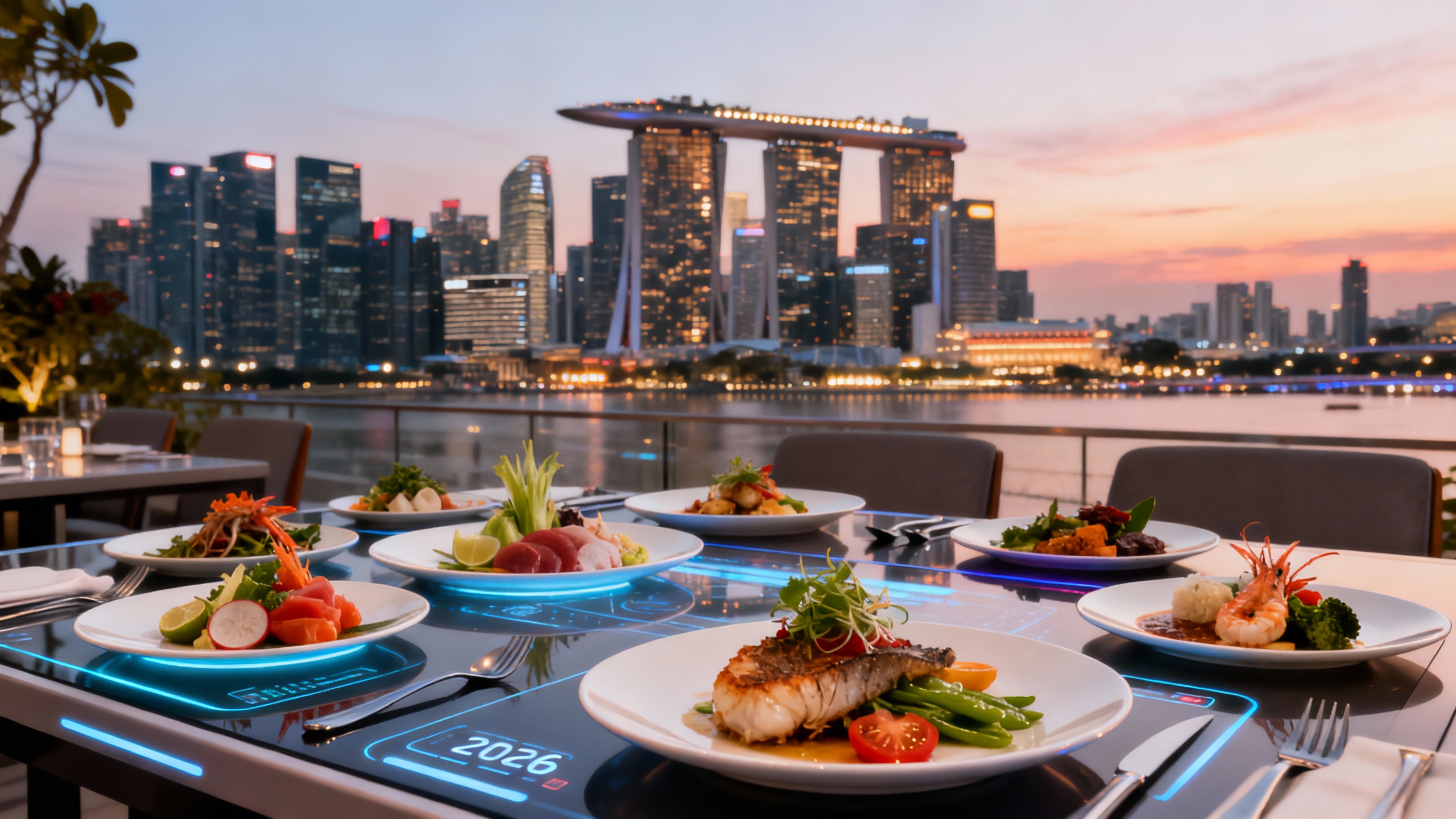
Discovering Singapore’s Food Scene in 2026
Singapore, a city known globally as a food paradise, continues to evolve its culinary landscape in 2026 with food trends that reflect a perfect blend of innovation, sustainability, and tradition. As a melting pot of cultures, Singapore’s cuisine offers an exciting journey that delights food lovers and adventurers alike. This year, the food trends are not only about taste but also about the experience, health, and respect for the environment.
Trend 1: Sustainable and Plant-Based Dining
One of the most significant trends dominating Singapore’s food scene in 2026 is sustainability. More restaurants and food establishments are embracing plant-based menus that reduce the environmental footprint without compromising on flavor. Innovative chefs are combining local ingredients like jackfruit, mushrooms, and tempeh with traditional Asian spices to create dishes that are both hearty and eco-friendly. For example, eateries such as Afterglow by Anglow in the city center have gained a loyal following for their plant-based creations that celebrate fresh, locally sourced ingredients.
This shift is bolstered by government initiatives promoting sustainable food practices and consumer demand for ethical dining options. The rise of vertical farming and urban gardening in Singapore is also supporting this trend, providing fresh produce directly to restaurants and markets.
Trend 2: Revival of Heritage Flavors with a Modern Twist
Singapore’s culinary heritage is rich and diverse, drawing from Chinese, Malay, Indian, and Peranakan influences. In 2026, chefs and food artisans are paying homage to these traditional flavors while adding contemporary techniques and presentations. This revival trend seeks to preserve the cultural identity amidst globalization.
An excellent example is the resurgence of Peranakan cuisine, where classic recipes are being reimagined in stylish settings. Dishes like Ayam Buah Keluak are being deconstructed to enhance the dining experience without losing the authenticity. Furthermore, hawker centers have also embraced this trend, introducing stalls that blend time-honored recipes with fusion elements, making heritage food accessible to younger generations.
Trend 3: Tech-Enhanced Dining Experiences
Technology is playing a bigger role in Singapore’s food industry in 2026. From AI-powered recommendation systems to augmented reality menus, diners can now enjoy immersive and personalized culinary journeys. Restaurants are adopting smart kitchen systems to minimize food waste and optimize ingredient usage, contributing to sustainability goals.
An example is how some fine dining establishments offer interactive digital menus that tell the story behind each dish, the source of ingredients, and suggested wine pairings. This not only elevates the dining experience but also educates consumers about food provenance and responsible consumption.
Beyond Food: The Social and Cultural Impact
Food trends in Singapore this year are not just about what ends up on the plate but also about community and culture. Pop-up dining events and collaborative chef projects are fostering connections within the food industry and among food enthusiasts. These gatherings often emphasize inclusivity, celebrating Singapore’s multicultural fabric through food.
Moreover, food literacy campaigns are gaining momentum to empower consumers to make informed choices about nutrition and sustainability. Cooking classes featuring traditional recipes with a modern health-conscious twist are particularly popular among locals and tourists eager to engage more deeply with Singaporean cuisine.
Final Thoughts on Singapore’s 2026 Culinary Landscape
Singapore’s food trends in 2026 offer a vibrant mix of sustainability, innovation, and cultural preservation. Whether you are a seasoned foodie or a casual traveler, the city’s evolving foodscape promises exciting experiences fueled by creativity and respect for heritage. From plant-based delights to tech-savvy dining and revived traditional flavors, Singapore continues to assert its position as a global culinary hub, inviting all to embark on a delicious and meaningful journey.