
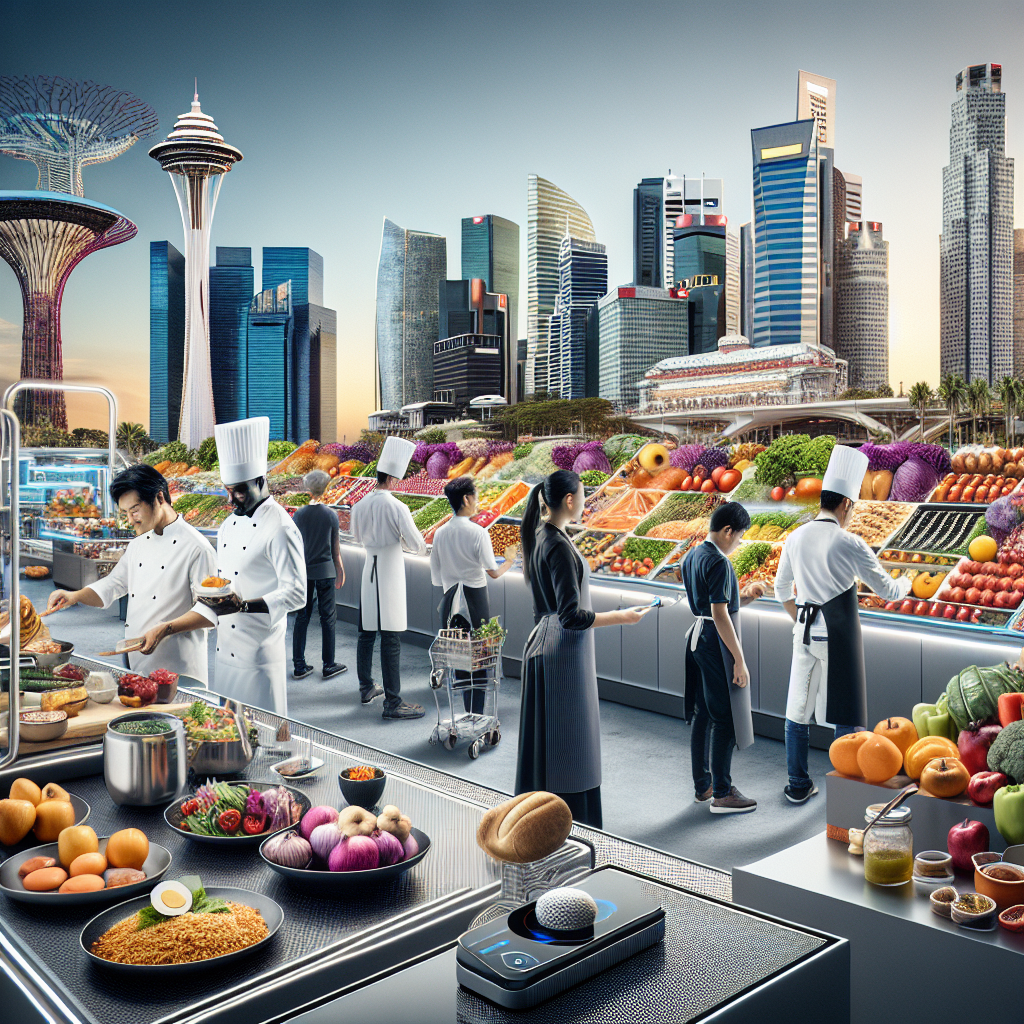
Singapore’s 2026 Food Trends: A Culinary Journey
As we step into 2026, Singapore’s vibrant culinary scene continues to evolve, embracing new flavors, sustainable practices, and innovative dining experiences. This year, food enthusiasts can look forward to a fusion of tradition and modernity, with trends that reflect both global influences and local heritage.
1. Embracing Regional Ingredients and Sustainable Practices
Chefs in Singapore are increasingly turning to regional ingredients, emphasizing sustainability and local sourcing. The “farm-to-table” movement is gaining momentum, with restaurants collaborating directly with local farmers and fishers to ensure freshness and reduce carbon footprints. This approach not only supports the local economy but also offers diners a taste of Singapore’s rich agricultural diversity. For instance, establishments are incorporating locally grown vegetables and seafood into their menus, highlighting the island’s commitment to sustainability.
Additionally, the rise of high-tech vertical farming and local aquaculture is making “local sourcing” a reality in Singapore. Many top-rated restaurants now emphasize the use of fresh produce and seafood, often sourcing ingredients locally to ensure peak quality and flavor. Menus frequently change throughout the year to showcase seasonal ingredients, reflecting both ingredient availability and a commitment to culinary innovation. Chefs are working directly with rooftop gardens in the CBD and fish farms off Pulau Ubin to shorten supply chains. This responsiveness to the climate crisis is reshaping the Singapore restaurant scene, proving that luxury and ethics can, and must, coexist.
2. The Rise of Plant-Forward Pastries
Plant-based eating continues to gain traction in Singapore’s bakery and café scene. Pastries traditionally made with butter and dairy are being reimagined using plant-based alternatives, catering to both vegan and health-conscious consumers. This trend reflects a broader shift towards plant-forward diets, where vegetables and legumes take center stage in dishes. For example, croissants made with plant-based butter and pastries filled with mushrooms or spiced chickpeas are becoming popular choices among diners seeking lighter yet flavorful options.
3. Fermentation Reimagined
Fermentation is no longer limited to traditional items like yogurt and kimchi. In 2026, it’s being explored in new and unexpected ways, adding depth and complexity to a variety of dishes. From fermented nut butters to unique condiments, this ancient technique is modernizing everything from snacks to pantry staples. The versatility of fermentation allows chefs to experiment with flavors and textures, offering diners a novel culinary experience. This trend also aligns with a growing interest in gut health and the nutritional benefits of fermented foods.
4. Citrus Explosion
Citrus fruits are taking center stage in Singapore’s culinary landscape. Beyond the usual oranges and lemons, unique varieties like pomelo, calamansi, and yuzu are being incorporated into beverages, desserts, and savory dishes. These fruits add brightness, tang, and a touch of the exotic to menus, appealing to diners seeking refreshing and innovative flavors. For instance, calamansi is being used in cocktails, yuzu in dressings, and pomelo in sweet treats, showcasing the versatility of citrus in modern cuisine.
5. Sweet-and-Spicy Flavors
The combination of sweet and spicy flavors is gaining popularity in Singapore’s food scene. This fusion creates a harmonious balance that appeals to a wide range of palates. From sauces to snacks, the sweet-and-spicy profile is being embraced in various forms, offering a dynamic and exciting taste experience. This trend reflects a broader global appreciation for bold and complex flavor combinations that challenge traditional taste boundaries.
6. Bite-Sized Menu Items
As dining habits evolve, there’s a growing preference for bite-sized menu items that cater to on-the-go lifestyles and social dining experiences. Small portions allow diners to sample a variety of dishes without feeling overwhelmed, making meals more interactive and enjoyable. This trend is particularly evident in cafés and bakeries, where mini croissants, filled rolls, and savory snacks are becoming popular choices. The emphasis is on quality and creativity, ensuring that each bite delivers satisfaction and flavor.
7. Exclusive Products and Limited-Time Offerings
The concept of exclusivity is making its way into Singapore’s food industry. Limited-time launches and special editions are creating a sense of urgency and excitement among consumers. This trend is not only transforming food products but also the way they are marketed and consumed. The rise of blind boxes and mystery flavors adds an element of surprise, appealing to the adventurous spirit of diners seeking unique and ephemeral culinary experiences.
8. Beans and Legumes Take the Spotlight
Beans and legumes are experiencing a resurgence in Singapore’s culinary scene. Their versatility, nutritional value, and sustainability make them a favored choice among chefs and home cooks alike. From hearty stews to innovative desserts, beans and legumes are being incorporated into a wide range of dishes, offering both flavor and health benefits. This trend aligns with a global movement towards plant-based diets and sustainable eating practices.
9. Rise of Alternative Proteins
Alternative proteins, including plant-based meats and lab-grown options, are gaining traction in Singapore. Consumers are increasingly seeking sustainable and ethical protein sources, leading to a shift away from traditional meat consumption. This trend reflects a broader global movement towards reducing meat intake for health and environmental reasons. In Singapore, this shift is evident in the growing availability of plant-based dishes and the incorporation of alternative proteins into mainstream menus.
10. Black Currant Flavor Emerges
Black currant is emerging as a trending flavor in Singapore’s food and beverage offerings. Known for its tartness and depth, black currant is being used in cocktails, sauces, and desserts, adding a unique twist to traditional flavors. This trend reflects a global appreciation for bold and distinctive tastes that challenge conventional flavor profiles. The versatility of black currant allows it to pair well with a variety of ingredients, making it a favorite among chefs and mixologists.
As Singapore continues to embrace these culinary trends in 2026, diners can look forward to a rich tapestry of flavors, textures, and experiences that reflect the city’s dynamic and innovative food culture.