
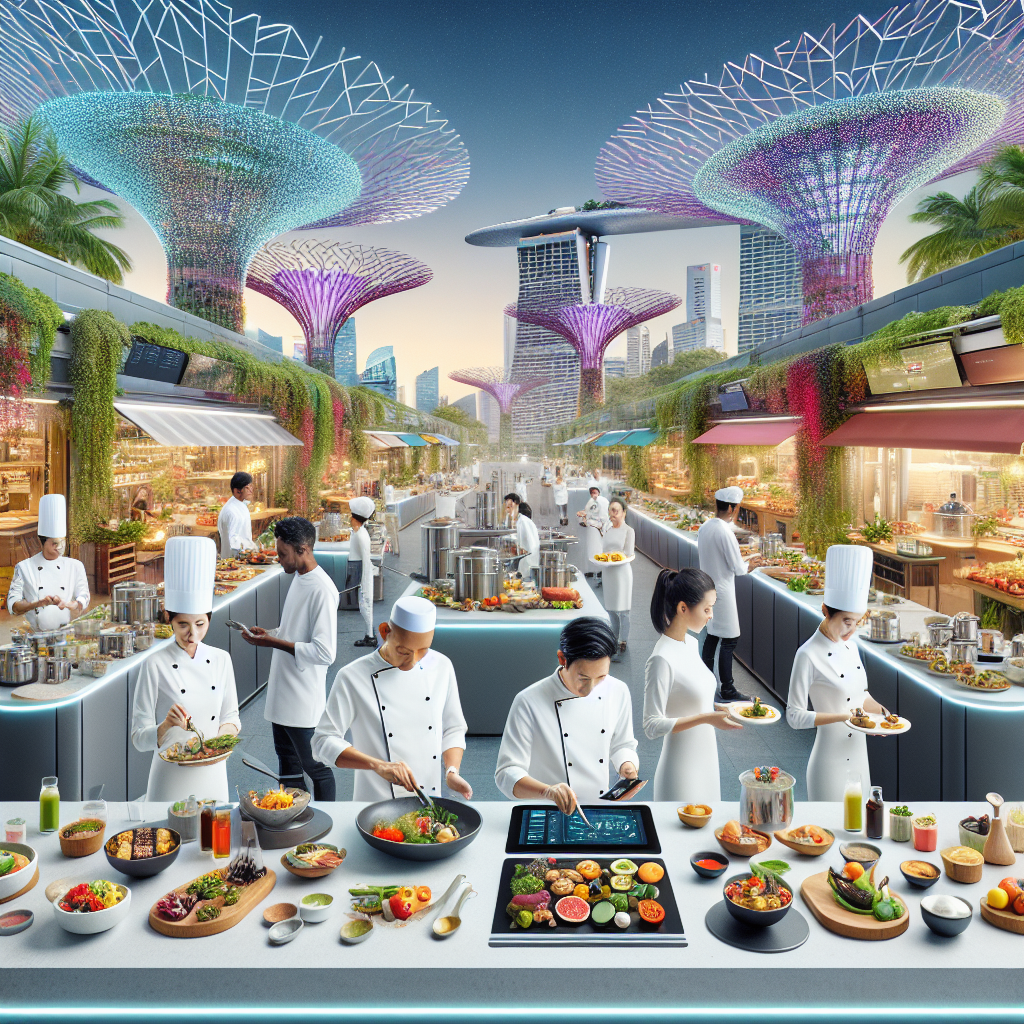
Singapore’s 2026 Food Trends: A Culinary Journey
As we step into 2026, Singapore’s vibrant culinary scene continues to evolve, embracing new flavors, sustainable practices, and innovative dining experiences. This year, food enthusiasts can look forward to a fusion of tradition and modernity, with trends that reflect both global influences and local heritage.
1. Embracing Regional Ingredients
Chefs and home cooks alike are turning to regional ingredients to create dishes that are both authentic and innovative. The recent introduction of Hanwoo beef from South Korea to Singapore’s markets has sparked interest among diners seeking premium, flavorful meats. Known for its balance of meatiness and fat, Hanwoo beef offers a unique taste experience that appeals to those looking for alternatives to traditional beef options. Restaurants like Cote Korean Steakhouse and Nae:um are already incorporating this ingredient into their menus, showcasing its versatility and rich flavor profile.
In addition to meats, the use of local herbs and spices is gaining traction. Ingredients such as pandan, lemongrass, and turmeric are being utilized in contemporary dishes, adding depth and authenticity to the flavors. This trend not only supports local agriculture but also preserves the culinary traditions that define Singapore’s food culture.
2. Sustainable and Plant-Based Dining
With a growing awareness of environmental issues, sustainable dining practices are at the forefront of Singapore’s food trends in 2026. Plant-based diets are becoming more mainstream, with restaurants offering innovative vegetarian and vegan options that do not compromise on taste or texture. The rise of alternative proteins, including plant-based meats and lab-grown options, provides consumers with diverse choices that align with ethical and environmental considerations.
Local eateries are also embracing zero-waste cooking techniques, utilizing every part of the ingredient to minimize food waste. This approach not only promotes sustainability but also encourages creativity in the kitchen, leading to the discovery of new flavors and textures.
3. Fusion of Global Flavors
Singapore’s multicultural heritage continues to inspire culinary experimentation, resulting in a harmonious blend of global flavors. The incorporation of West African ingredients, such as fonio—a gluten-free, nutrient-rich grain—is gaining popularity. Fonio’s versatility allows it to be used in various dishes, from salads to grain bowls, offering a wholesome alternative to traditional grains.
Additionally, the influence of Japanese cuisine is evident in the rise of Japanese wines and sake, which are being paired with local dishes to create unique dining experiences. The subtle flavors of Japanese wines complement the bold tastes of Singaporean cuisine, offering a sophisticated pairing that appeals to discerning diners.
4. Technological Integration in Dining
The integration of technology into dining experiences is reshaping how Singaporeans interact with food. Digital platforms for ordering and payment are streamlining the dining process, making it more efficient and user-friendly. Restaurants are adopting contactless payment systems and digital menus, enhancing convenience and safety for patrons.
Moreover, the use of data analytics allows establishments to personalize offerings, tailoring menus to customer preferences and dietary needs. This technological advancement not only improves customer satisfaction but also enables restaurants to operate more efficiently, reducing waste and optimizing resources.
5. Nostalgic and Comfort Foods
In a fast-paced world, there is a growing appreciation for comfort foods that evoke nostalgia and provide a sense of familiarity. Traditional dishes are being reimagined with modern twists, incorporating contemporary techniques and ingredients while preserving their classic essence. This trend resonates with diners seeking both comfort and innovation in their meals.
For instance, local bakeries are offering pastries that blend traditional recipes with new flavors, such as kaya-infused croissants or pandan-flavored tarts. These creations honor Singapore’s culinary heritage while appealing to adventurous palates.
6. Health-Conscious and Functional Foods
Health and wellness continue to influence dining choices, with a focus on functional foods that offer nutritional benefits beyond basic sustenance. Ingredients like fermented foods are gaining popularity for their probiotic properties, which support gut health and overall well-being. Fermented items such as kimchi, kombucha, and miso are being incorporated into various dishes, adding depth of flavor and health benefits.
Additionally, the use of citrus fruits like yuzu and calamansi is on the rise, adding brightness and tang to both sweet and savory dishes. These fruits not only enhance flavor but also provide a rich source of vitamin C, contributing to a balanced diet.
7. Value-Driven Dining Experiences
In response to economic considerations, diners are seeking value-driven experiences that offer quality without compromising affordability. Restaurants are introducing value meal deals and promotions that cater to budget-conscious consumers while maintaining high standards of food and service. This approach ensures that dining out remains accessible and enjoyable for a wide range of patrons.
Moreover, the concept of ‘luxe for less’ is gaining traction, where upscale dining experiences are made more accessible through thoughtful pricing and portion sizes. This trend allows diners to indulge in premium offerings without the premium price tag, making fine dining more inclusive.
Conclusion
Singapore’s culinary landscape in 2026 is a dynamic tapestry of tradition and innovation. From embracing regional ingredients and sustainable practices to integrating technology and celebrating comfort foods, the food trends this year reflect a deep appreciation for both heritage and progress. As diners continue to explore and experiment, Singapore’s food scene remains a vibrant and exciting destination for culinary enthusiasts.
Whether you’re a local resident or a visitor, the diverse and evolving food trends in Singapore offer a rich and rewarding culinary journey that caters to all tastes and preferences.
Stay tuned for more updates and insights into Singapore’s ever-changing food scene as we continue to explore the flavors and experiences that define this gastronomic hub.