
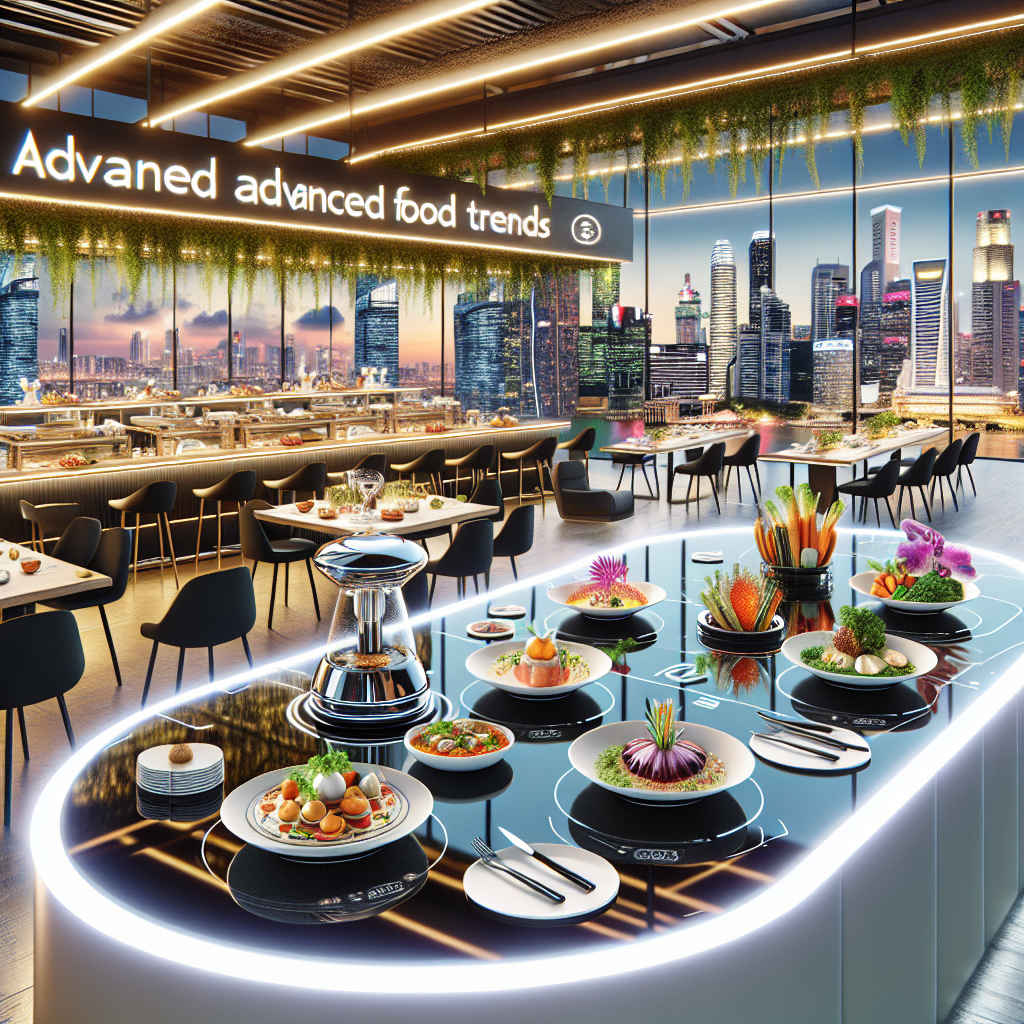
Singapore’s 2026 Food Trends: A Culinary Journey
As we step into 2026, Singapore’s vibrant culinary scene continues to evolve, embracing new flavors, sustainable practices, and innovative dining experiences. This year promises a fusion of tradition and modernity, reflecting the city’s dynamic food culture. Let’s embark on a gastronomic journey to explore the top food trends shaping Singapore in 2026.
1. Embracing Regional Ingredients
Chefs and diners alike are turning their attention to regional ingredients, seeking authenticity and sustainability. The recent introduction of Hanwoo beef from South Korea to Singapore’s market exemplifies this trend. Known for its rich flavor and tender texture, Hanwoo beef is gaining popularity among local chefs and consumers. Restaurants like Cote Korean Steakhouse and Nae:um are incorporating this premium ingredient into their menus, offering a unique dining experience that highlights the depth of regional flavors.
Similarly, the appreciation for Japanese wines is on the rise. With improved quality and distinctive characteristics, Japanese wines are becoming a sought-after choice for wine enthusiasts. Establishments such as Ami Patisserie are thoughtfully pairing these wines with their dishes, enhancing the overall dining experience and showcasing the versatility of regional beverages.
2. Sustainable and Plant-Forward Dining
Sustainability continues to be a focal point in Singapore’s food scene. Diners are increasingly opting for plant-based options, not only for health benefits but also to support environmental initiatives. This shift is evident in the rise of plant-forward pastries and dishes that emphasize local produce and sustainable practices. Bakeries and cafés are reimagining traditional recipes, incorporating ingredients like mushrooms, chickpeas, and tropical fruits to create innovative and eco-friendly offerings.
Moreover, the concept of ‘smart convenience’ is gaining traction. Ready-to-bake solutions and pre-proofed doughs allow establishments to serve fresh, high-quality products while managing operational efficiency. This approach caters to the fast-paced lifestyle of Singaporeans, ensuring that convenience does not compromise quality or sustainability.
3. Global Flavors and Fusion Cuisine
Singapore’s multicultural heritage continues to inspire culinary innovation. The fusion of global flavors with local ingredients is creating exciting new dishes that resonate with both locals and visitors. For instance, the incorporation of West African grains like fonio into local cuisine offers a nutritious and flavorful alternative to traditional staples. This trend reflects a broader interest in exploring diverse culinary traditions and integrating them into Singapore’s food culture.
Additionally, the popularity of citrus fruits such as yuzu, pomelo, and calamansi is on the rise. These fruits are being used in a variety of applications, from beverages to desserts, adding brightness and complexity to dishes. Their versatility and unique flavor profiles make them a favorite among chefs and consumers seeking new taste experiences.
4. Technological Integration in Dining
Technology continues to play a significant role in enhancing the dining experience. The adoption of digital payment solutions, online ordering platforms, and contactless services is streamlining operations and improving customer satisfaction. Restaurants are leveraging data analytics to personalize offerings and optimize menus, ensuring that they meet the evolving preferences of diners.
Moreover, the rise of cloud kitchens and delivery-only concepts reflects the changing dynamics of the foodservice industry. These models cater to the growing demand for convenience and variety, offering a diverse range of cuisines without the overhead costs associated with traditional brick-and-mortar establishments.
5. Value-Driven Dining Experiences
In response to economic uncertainties, diners are seeking value-driven dining experiences. Restaurants are focusing on offering high-quality meals at accessible price points, ensuring that patrons feel they are receiving a worthwhile experience. This approach is evident in the emergence of fast-casual chains and the expansion of global brands like Chick-fil-A and Chipotle Mexican Grill into the Singapore market, providing diverse and affordable dining options for all.
Additionally, the concept of ‘luxe for less’ is gaining popularity, where diners can enjoy premium experiences without the premium price tag. This trend is reshaping the dining landscape, making gourmet meals more accessible to a broader audience.
6. Nostalgic and Comfort Foods
Amidst the exploration of new flavors and cuisines, there is a resurgence of interest in nostalgic and comfort foods. Items like chicken tenders, milkshakes, and other classic dishes are making a comeback, offering a sense of familiarity and warmth. This trend caters to the desire for simple pleasures and evokes fond memories, providing a comforting escape in today’s fast-paced world.
In conclusion, Singapore’s culinary landscape in 2026 is a vibrant tapestry of tradition and innovation. From embracing regional ingredients and sustainable practices to exploring global flavors and technological advancements, the food scene reflects the city’s dynamic spirit and its commitment to offering diverse and enriching dining experiences.
As we continue to navigate the year, these trends are set to shape the future of dining in Singapore, promising an exciting and flavorful journey for all food enthusiasts.
Note: The information provided is based on current trends and may evolve as the year progresses.