
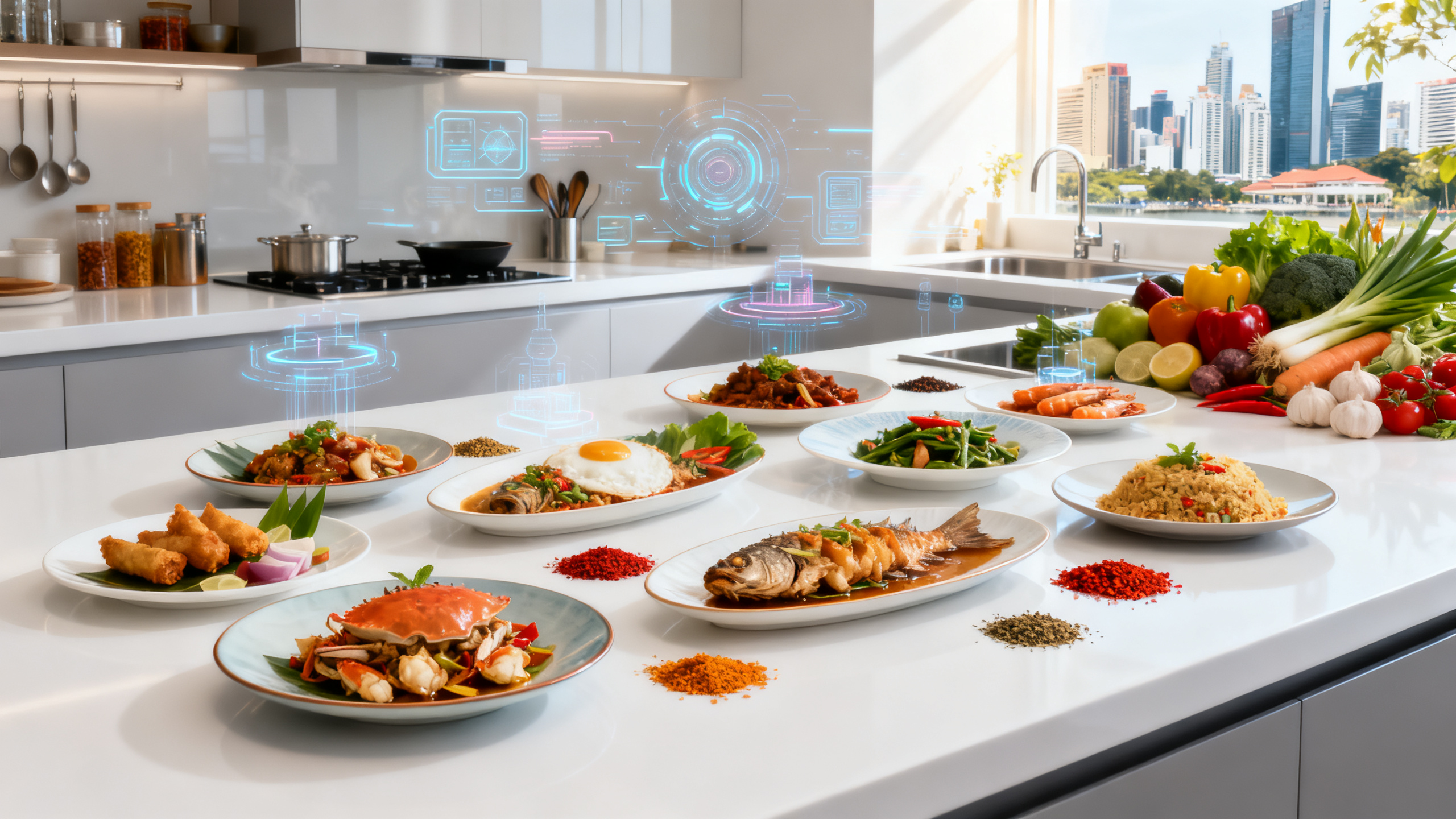
Singapore’s Culinary Landscape in 2026: A Tapestry of Tradition and Innovation
Singapore’s food scene is renowned worldwide for its rich tapestry of flavors, fusing local heritage with global influences. As we enter 2026, the city-state’s culinary evolution is exciting food enthusiasts and travelers alike. From hawker centers to fine dining, Singapore is embracing bold new trends that celebrate sustainability, technology, and cultural diversity without losing its authentic roots. Understanding these trends offers a glimpse into how Singapore continues to innovate while honoring its past.
The Rise of Sustainable and Plant-Based Creations
Sustainability is at the heart of Singapore’s food trends this year. Diners are increasingly drawn to restaurants and eateries prioritizing eco-friendly practices. You’ll find menus highlighting plant-based dishes crafted with locally sourced ingredients and alternative proteins like lab-grown meat and insect-based products. For example, eateries such as Labyrinth and Open Farm Community have been pioneers, showcasing farm-to-table concepts that reduce food miles and minimize waste.
Moreover, innovative restaurants are integrating edible flowers and seaweed into their dishes, emphasizing nutrition and environmental responsibility. These sustainable choices are not just a fad but a thoughtful commitment, reflecting Singapore’s larger national vision of becoming a zero-waste, green city by 2030. This blend of ethical eating and delicious flavors offers a thoughtful culinary experience for both residents and visitors.
Technology-Driven Dining Experiences
Singapore is positioning itself as a smart city, and this extends to its dining experiences. In 2026, the use of technology in food preparation and presentation is more sophisticated than ever. Automated kitchens equipped with AI-driven robots are crafting meals with precision, allowing chefs to focus more on creativity and customer engagement. For instance, eateries in WeWork communal spaces and tech districts have started integrating robotic baristas and server bots, creating futuristic dining atmospheres.
The rise of augmented reality (AR) menus and virtual dining experiences also reflects this digital shift. Diners can now visualize dishes in 3D through their phones before ordering and enjoy immersive storytelling about the origin and ingredients of their meals. This integration of tech enhances the overall dining experience, making it interactive and educational.
Cultural Fusion and Rediscovery of Heritage Foods
Amid rapid modernization, 2026 sees a deep renewed appreciation for Singapore’s diverse heritage cuisines. Chefs are reinterpreting traditional recipes with contemporary twists, blending cultural influences that tell stories of the city’s multiculturalism. Dishes like Peranakan curry laksa, Indian rojak, and Malay kueh are reimagined with novel ingredients or plating styles that appeal to the younger generation and tourists.
Restaurants across neighborhoods like Tiong Bahru and Chinatown are hubs for this culinary rediscovery. They serve as platforms where stories of immigrant histories and local traditions are preserved and shared vividly through food. Events and food festivals celebrating cultural festivals such as Hari Raya, Deepavali, and Chinese New Year further spotlight these heritage flavors, ensuring they remain vibrant in the evolving food landscape.
Conclusion: A Journey Worth Tasting
Singapore in 2026 offers a dynamic culinary scene that honors its past while embracing the future. Whether you are a sustainable eater, a tech lover, or a cultural explorer, the city’s food trends cater to every palate and preference. From sustainable farming innovations to digital dining enhancements and heritage food revivals, Singapore’s culinary evolution is a testament to its vibrant, forward-thinking spirit.
So, if you’re planning a trip or looking to explore new flavors, dive into Singapore’s food scene this year—you’ll find that every dish tells a story, every trend celebrates a value, and every bite is a step into the future of cuisine.