
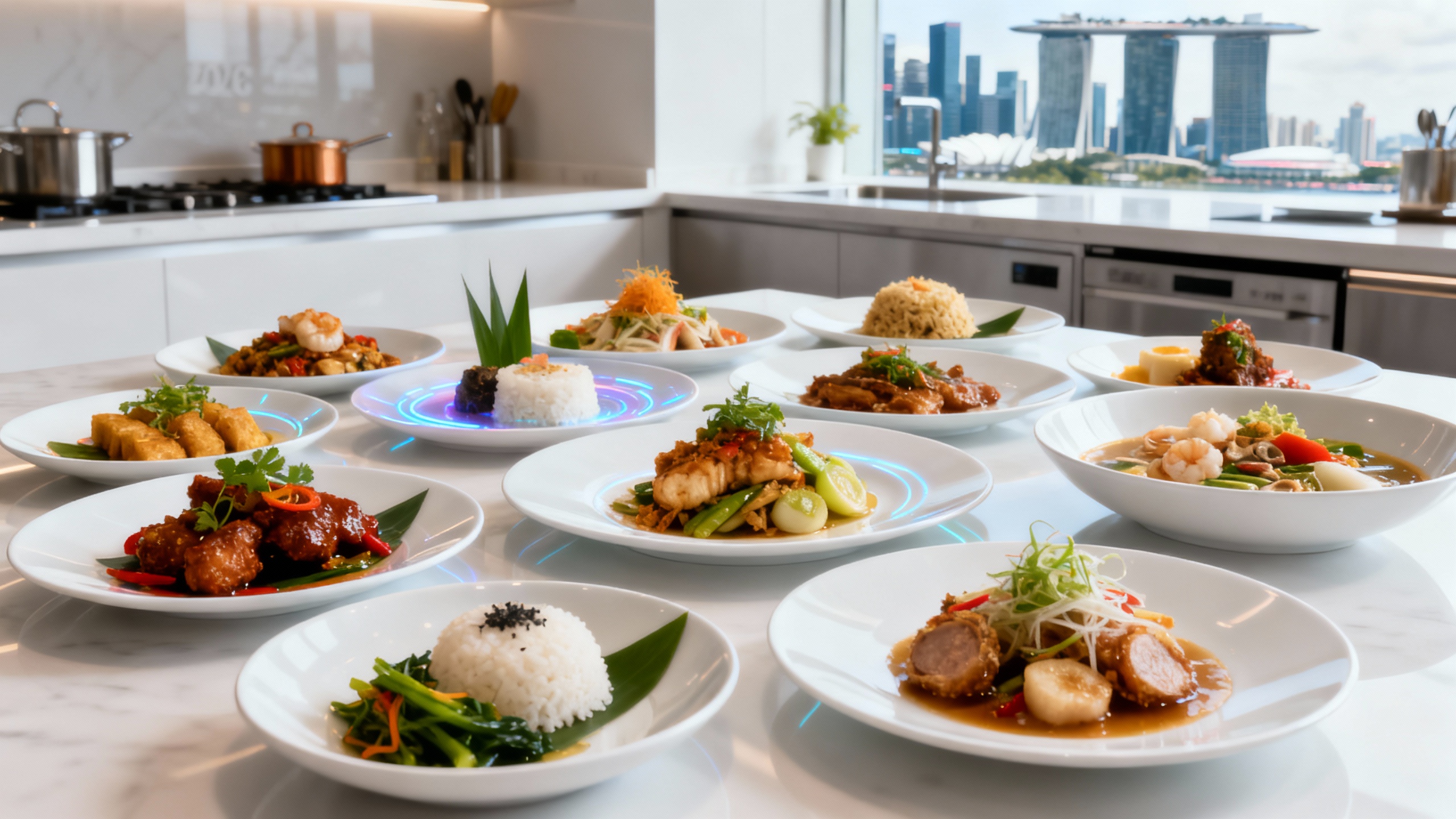
Introduction to Singapore’s 2026 Culinary Scene
Singapore’s food landscape has always been a vibrant tapestry of diverse flavors and innovative culinary practices, reflecting its rich multicultural heritage. In 2026, the city’s gastronomic scene continues to evolve dynamically, blending tradition and modernity while responding to global influences and local demands. As a food enthusiast and travel blogger with years of experience exploring culinary cultures worldwide, I invite you on an immersive journey to discover the key food trends shaping Singapore’s tables this year. This deep dive will guide you through new flavors, sustainable dining initiatives, and cutting-edge food experiences that make Singapore a must-visit destination for any culinary adventurer.
Plant-Based and Sustainable Eating Take Center Stage
One of the most significant trends in Singapore’s food scene in 2026 is the heightened focus on plant-based and sustainable eating. Singaporeans are increasingly conscious about environmental impact and personal health, driving demand for innovative plant-based dishes that do not compromise on flavor or texture. For instance, several renowned restaurants in the city have embraced plant-based menus, featuring dishes that creatively use jackfruit, tempeh, and even lab-grown meat alternatives to emulate traditional favorites.
A standout example is a popular hawker center that gained attention for its vegan laksa, a traditionally rich coconut-based noodle soup, now reimagined with plant-based seafood alternatives that offer the same umami punch. Sustainability extends beyond just ingredients—the use of eco-friendly packaging and zero-waste kitchen practices is also becoming integral to many eateries, aligning with Singapore’s national sustainability goals. Dining in Singapore today often means indulging in flavors that are not only delicious but also responsibly crafted.
Fusion Flavors and Regional Influences
Singapore’s unique position as a global trade hub has always allowed its food culture to absorb influences from across Asia and beyond. In 2026, this fusion trend has taken a sophisticated turn, blending unexpected flavors in ways that surprise and delight. One emerging trend is the merger of traditional Peranakan ingredients with Japanese kaiseki techniques, resulting in exquisitely plated multi-course meals that tell a story of cultural harmony.
Another exciting development is the rise of Southeast Asian-inspired cocktails that incorporate local spices and herbs like pandan, lemongrass, and calamansi. These drinks pair beautifully with mixed-heritage dishes, making dining a multisensory experience. For visitors and locals alike, this trend showcases how Singapore’s culinary creativity continues to reinvent itself by honoring and merging its cultural roots.
Tech-Driven Dining Experiences
Singapore is at the forefront of integrating technology into the dining experience, enhancing convenience and personalization. In 2026, smart restaurants equipped with AI-powered ordering systems and robotic kitchen assistants have become more mainstream. These advancements not only improve efficiency but also ensure consistency in taste and presentation, which is critical in a city known for its high culinary standards.
Moreover, virtual reality (VR) dining experiences are gaining traction, where diners can enjoy themed environments—from a bustling street market in Chinatown to a scenic beachside eatery in Bali—all while savoring authentic dishes prepared by expert chefs. Such innovations demonstrate Singapore’s commitment to blending technology with tradition to create novel dining adventures that appeal to tech-savvy food lovers and curious travelers.
Street Food Renaissance and Modern Hawker Culture
Singapore’s iconic hawker centers continue to be a focal point of its food culture, but in 2026, there’s a noticeable renaissance in how street food is presented and experienced. The government’s ongoing support for hawkers has led to the modernization of these spaces, incorporating better hygiene, seating, and digital payment options while retaining the authentic flavors that make hawker food beloved worldwide.
Interestingly, younger chefs are entering the hawker scene with innovative takes on classic dishes, such as charcoal-grilled satay skewers infused with exotic spices or chili crab served with artisanal buns. This blend of old and new attracts both food purists and gastronomic explorers, reinforcing hawker centers as vibrant hubs of culinary culture and community bonding.
Conclusion: Why Singapore is a 2026 Culinary Must-Visit
As we explore Singapore’s 2026 food trends, it becomes clear that this city-state is not just about eating but about experiencing food as an ever-evolving art form that reflects societal shifts, technological progress, and deep cultural respect. Whether you are passionate about sustainable dining, fascinated by fusion cuisine, or looking for futuristic food encounters, Singapore offers something uniquely compelling.
For travelers seeking an immersive culinary journey, Singapore in 2026 is a destination that promises endless discovery and sumptuous satisfaction. Pack your appetite and an open mind, because this city’s food scene is ready to surprise and delight at every turn.