
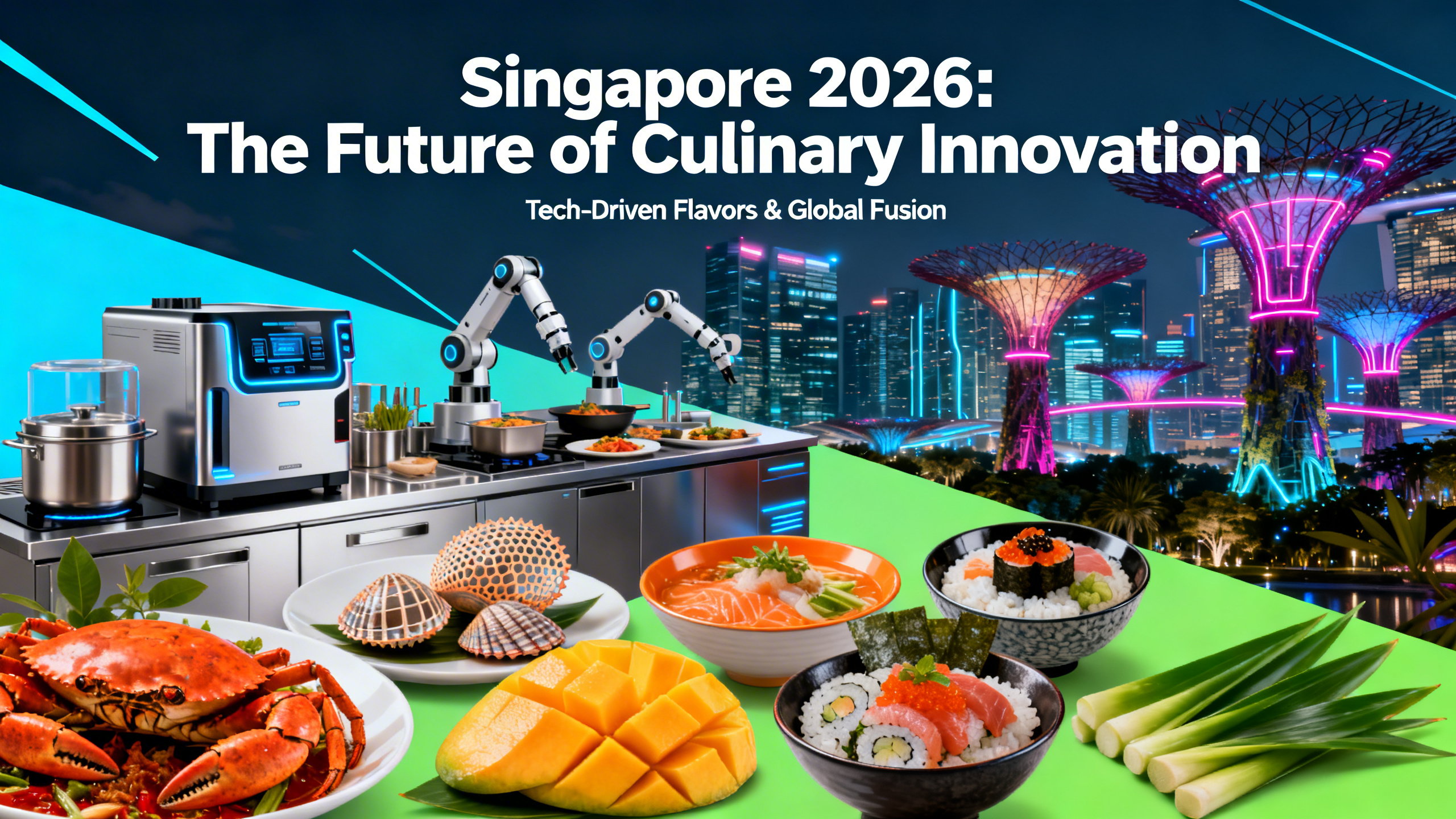
Introduction to Singapore’s Culinary Evolution in 2026
Singapore has always been a global food paradise, known for its rich tapestry of cultures and flavors. In 2026, the city-state continues to push culinary boundaries, bringing innovation and sustainability front and center while preserving the heritage that makes its food scene so unique. This year, food enthusiasts and travelers alike have a lot to look forward to, as Singapore embraces new trends that reflect both its cosmopolitan identity and commitment to future-forward dining.
The dynamic food landscape offers a fascinating blend of technology, health awareness, and cultural rediscovery. Let’s dive deep into the vibrant trends shaping Singapore’s gastronomy in 2026, ensuring your culinary journey is as enlightening as it is delicious.
1. Sustainable and Ethical Dining: A Priority for Conscious Eaters
Singapore’s 2026 food scene showcases a strong shift towards sustainability and ethical sourcing. Restaurants and hawker stalls alike are prioritizing zero-waste kitchens, locally sourced ingredients, and eco-friendly packaging. This movement isn’t just superficial—many establishments are creating menus focused on seasonal produce from urban farms scattered across the island, reducing both carbon footprint and supply chain uncertainties.
For example, farm-to-table dining experiences are becoming increasingly popular. Chefs partner with local urban farms like Sky Greens and Comcrop, which use vertical farming techniques to grow fresh greens in the city, ensuring peak freshness and nutrient retention. This not only supports local agriculture but also educates diners about the importance of sustainability in food production.
2. The Rise of Plant-Based and Alternative Proteins
Plant-based diets have surged worldwide, and Singapore is no exception. In 2026, the city embraces a variety of alternative proteins, from lab-grown meats to innovative plant-based seafood substitutes. These options appeal to environmentally conscious consumers and those watching their health without compromising on taste or texture.
Restaurants like VeganBurg have gained immense popularity, offering burgers made entirely from plant-based ingredients, while upscale establishments are experimenting with menus that blend traditional flavors with modern plant-based twists. Additionally, Singapore’s Food Agency has been supporting startups developing cultured meat technologies, meaning that soon, ethically produced meat will be more accessible and affordable.
3. Fusion Flavors and Culinary Storytelling
Singapore’s multicultural heritage is a goldmine for flavor innovation. In 2026, chefs are elevating fusion cuisine to new heights by blending traditional recipes with contemporary techniques and international influences. This trend goes beyond simple mixing of cuisines; it’s about telling stories through dishes that reflect Singapore’s history, diaspora, and modern society.
A great example is the reinterpretation of Peranakan cuisine, where young chefs infuse classic recipes with Nordic or Japanese touches, creating multi-sensory dining experiences. Pop-up events and food festivals showcase these culinary narratives, attracting both locals and tourists eager to experience Singapore’s evolving culinary identity in a meaningful way.
4. Tech-Driven Food Experiences
Technology plays a crucial role in Singapore’s 2026 food trends. From AI-powered recommendation apps that personalize dining suggestions based on your taste profile to robotic chefs taking over repetitive kitchen tasks, innovation is transforming how food is prepared and enjoyed.
Augmented reality (AR) menus and virtual dining experiences are becoming common, allowing diners to visualize dishes before ordering or enjoy interactive storytelling that enhances the meal’s cultural context. Moreover, smart kitchens in homes and restaurants are optimizing cooking times and resource usage, reflecting Singapore’s broader smart city ambitions.
5. Reviving Heritage and Hawker Culture
Even with all the modern innovations, Singapore’s 2026 food trends show a deep respect for its hawker culture and culinary heritage. The government and food advocates continue to preserve and elevate hawker traditions, recognizing them as integral to the nation’s identity.
Efforts to grant hawker centers UNESCO World Heritage status underscore their importance. Meanwhile, younger generations of hawkers are blending old recipes with new techniques and healthier ingredients to appeal to evolving palates. Food tours around iconic hawker centers like Maxwell Food Centre and Lau Pa Sat remain a must for anyone wanting an authentic taste of Singapore’s rich food culture.
Conclusion: Embark on a Delicious Journey in 2026
Singapore’s food scene in 2026 is a vibrant blend of tradition and innovation, sustainability and indulgence, local pride and global influences. Whether you are a seasoned food lover or a curious traveler, this year’s culinary trends offer something unique and exciting at every turn.
From tasting the freshest urban farm produce and plant-based delicacies to experiencing tech-enhanced dining and rediscovering heritage flavors, Singapore invites you to embark on a truly enriching culinary journey. Be ready to savor every bite with a deeper appreciation for the stories, values, and innovations that make Singapore a food haven in 2026.