
Introduction
Singapore’s culinary scene has always been a vibrant tapestry woven from diverse cultures, flavors, and traditions. As 2026 unfolds, the city-state is not only maintaining this rich legacy but elevating it with groundbreaking food trends that captivate both locals and tourists alike. This year, the food trends reflect a unique blend of innovation, sustainability, and an embrace of heritage, crafting a culinary journey that intrigues every palate.
The Rise of Sustainability and Plant-Based Delights
One of the most defining trends in Singapore’s 2026 food scene is the increasing emphasis on sustainability. With global consciousness around environmental impact growing stronger, Singaporean chefs and food businesses are prioritizing eco-friendly practices. This includes sourcing ingredients locally to reduce carbon footprints and minimizing food waste through creative kitchen techniques.
At the forefront of this movement are plant-based cuisines. While vegan and vegetarian options have been growing in popularity for years, 2026 sees a surge in innovative plant-based dishes that rival their traditional counterparts in taste and texture. For instance, restaurants like ‘Open Farm Community’ and ‘Original Sin’ are pushing culinary boundaries by integrating indigenous herbs and locally grown vegetables into gourmet plant-based menus. This evolution not only caters to health-conscious diners but also appeals to those eager to explore new flavors and support sustainable eating habits.
Heritage Meets Modernity: Reinventing Classic Dishes
Singapore’s diverse cultural heritage continues to inspire chefs in 2026, who are reinventing traditional dishes with modern twists. This culinary fusion honors the past while satisfying contemporary tastes. Classic street foods like Hainanese chicken rice, laksa, and chili crab are being reimagined with novel techniques or exotic ingredient pairings without losing their authentic essence.
For example, some chefs are incorporating molecular gastronomy elements to enhance textures or present dishes in innovative ways, transforming the dining experience into an artistic journey. Others revive lesser-known recipes from Singapore’s multicultural communities, bringing forgotten flavors back to vibrant life on the plates of trendy eateries and high-end restaurants alike.
Interactive Dining Experiences and Food Tech
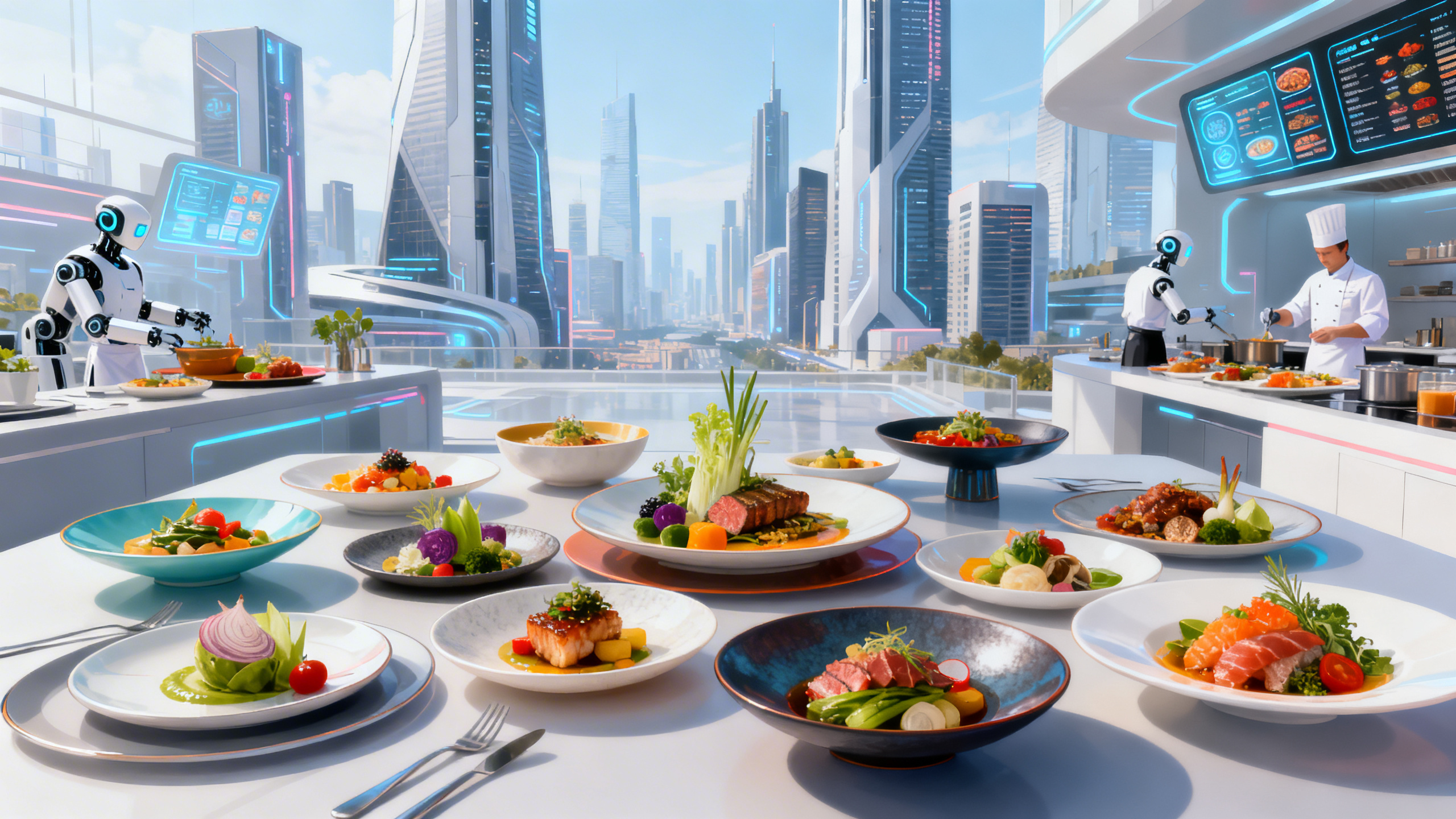
2026 introduces more interactive dining experiences in Singapore, where food technology plays a pivotal role. Augmented reality (AR) menus allow diners to visualize their meals before ordering, enhancing anticipation and engagement. Robo-chefs and automated cooking devices are also making appearances in select eateries, ensuring precision and consistent quality while adding a futuristic touch to traditional dining settings.
Moreover, experiential dining that merges gastronomy with art, music, and storytelling is gaining momentum in Singapore. Events like themed pop-ups and chef’s table experiences involve guests in the creation process, offering a multi-sensory feast that goes beyond taste. These innovations change how patrons perceive food, making each meal a memorable adventure.
Conclusion
Singapore’s 2026 food trends present a harmonious blend of sustainability, innovation, and cultural pride. Whether you’re savoring a reinvented laksa or indulging in a plant-based gourmet meal, the city’s evolving culinary landscape promises exciting delights for food enthusiasts. Its ability to honor tradition while embracing the future ensures that every gastronomic journey in Singapore remains uniquely captivating, inviting visitors and locals to explore and celebrate the rich flavors that define this dynamic city.
For travelers planning to visit Singapore this year, immersing themselves in these food trends is a must — offering not just meals but stories, sustainability, and technology on a plate.