
Introduction
Singapore, famed for its vibrant and dynamic food scene, is once again set to enthrall food enthusiasts in 2026 with an exciting blend of innovation and tradition. As a global culinary hub, the city-state continuously evolves, integrating modern techniques with deep-rooted cultural flavors. This year’s food trends promise not only to tantalize taste buds but also to reflect the changing lifestyle, sustainability consciousness, and global influences shaping Singaporean cuisine.
The Rise of Sustainable and Plant-Based Dining
Sustainability remains a dominant theme in 2026’s food trends in Singapore. Consumers are increasingly aware of the environmental impact of their food choices, fueling demand for more plant-based options. Beyond just vegetarian dishes, creative chefs are crafting sophisticated and delicious plant-forward menus that appeal even to meat lovers. For instance, innovative eateries are using locally sourced produce to reinvent classic dishes, such as rendang made with jackfruit or mushroom-based laksa.
This shift is supported by leading restaurants partnering with urban farms and community gardens, ensuring fresh, hyper-local ingredients. The integration of sustainable practices extends beyond the plate too, as zero-waste kitchens and eco-friendly packaging become norms in the industry. Notably, Singapore’s burgeoning cultured meat startups are gaining attention for producing ethical and resource-efficient protein alternatives, making 2026 a landmark year for sustainable gastronomy.
Fusion Reimagined: Cultural Crossovers in Every Bite
Singapore’s multicultural heritage continues to inspire a burst of culinary creativity in 2026. This year, fusion cuisine is more refined and imaginative, reflecting deep respect for traditional flavors while blending diverse culinary techniques. Expect to see Peranakan dishes infused with Japanese umami elements or Indian spices integrated into modern European cooking styles.
One standout example is the rise of “Asian tapas”, small plates that combine influences from different Asian countries, designed for sharing and social dining. This not only enriches the communal dining experience but also showcases the bold experimentation that chefs are embracing. These cross-cultural flavors are a testament to Singapore’s identity as a melting pot of global cuisines, driving the food scene forward with both heritage and innovation.
Tech-Enhanced Dining Experiences
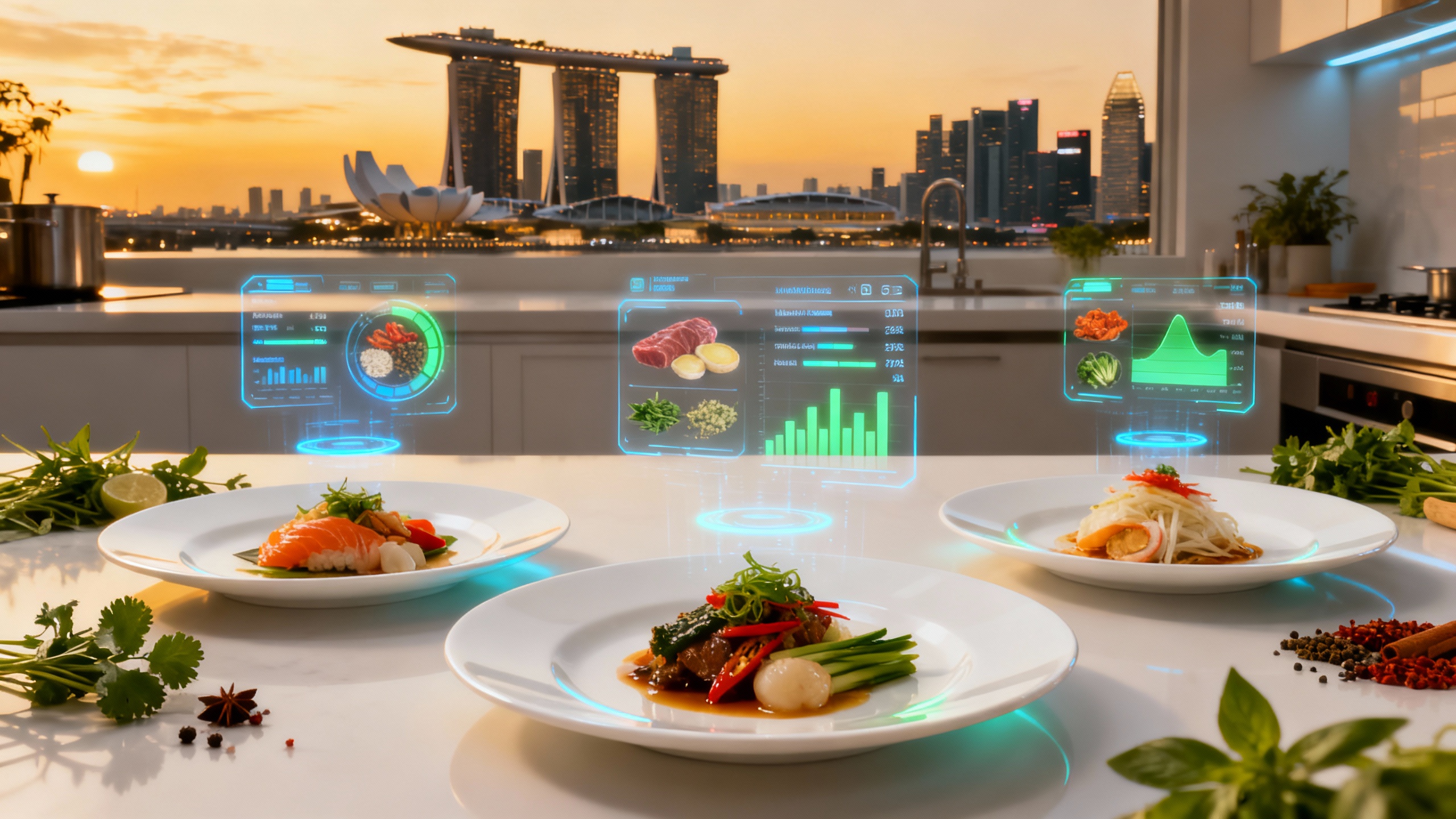
Technology is carving a distinct space in Singapore’s 2026 food landscape, enhancing how diners engage with food beyond just flavor. Augmented reality (AR) menus offer immersive storytelling about dish origins, ingredient sourcing, and even preparation techniques, creating a richer dining experience. Some avant-garde restaurants are integrating AI to personalize menus based on diners’ preferences, allergies, and nutritional needs.
Additionally, smart kitchens equipped with robotics and automated systems are helping chefs maintain high food quality and consistency, especially for complex or labor-intensive dishes. This blending of technology with culinary art is a testament to Singapore’s forward-thinking approach, positioning the city at the intersection of tradition and futuristic dining innovation.
Rediscovering Local Flavors with a Modern Twist
In 2026, Singaporeans’ love for local flavors remains unwavering, but there is a fresh impetus to rediscover and reinvent these classics in ways that resonate with modern palates. Traditional dishes like Hainanese chicken rice, char kway teow, and kaya toast are seeing contemporary reinterpretations across various dining establishments. Chefs are experimenting with healthier ingredients or incorporating international techniques, such as sous-vide or fermentation, to elevate these beloved staples.
Moreover, the resurgence of traditional hawker culture—recognized globally for its cultural significance—is being supported by new-age hawker centers. These venues offer convenience and professionalism without compromising authenticity, attracting younger generations and tourists alike. This blend of old and new ensures that Singapore’s culinary heritage remains vibrant and relevant in 2026.
Conclusion
Singapore’s food trends in 2026 encapsulate a compelling journey where sustainability, cultural fusion, technology, and tradition converge. The city’s rich culinary landscape is not just about eating; it’s about experiencing stories, innovation, and community. Whether you are a local food lover or an adventurous traveler, embracing these trends offers a delicious window into Singapore’s evolving food identity.
As 2026 unfolds, prepare your palate for a gastronomic adventure that honors the past, embraces the present, and boldly steps into the future.