
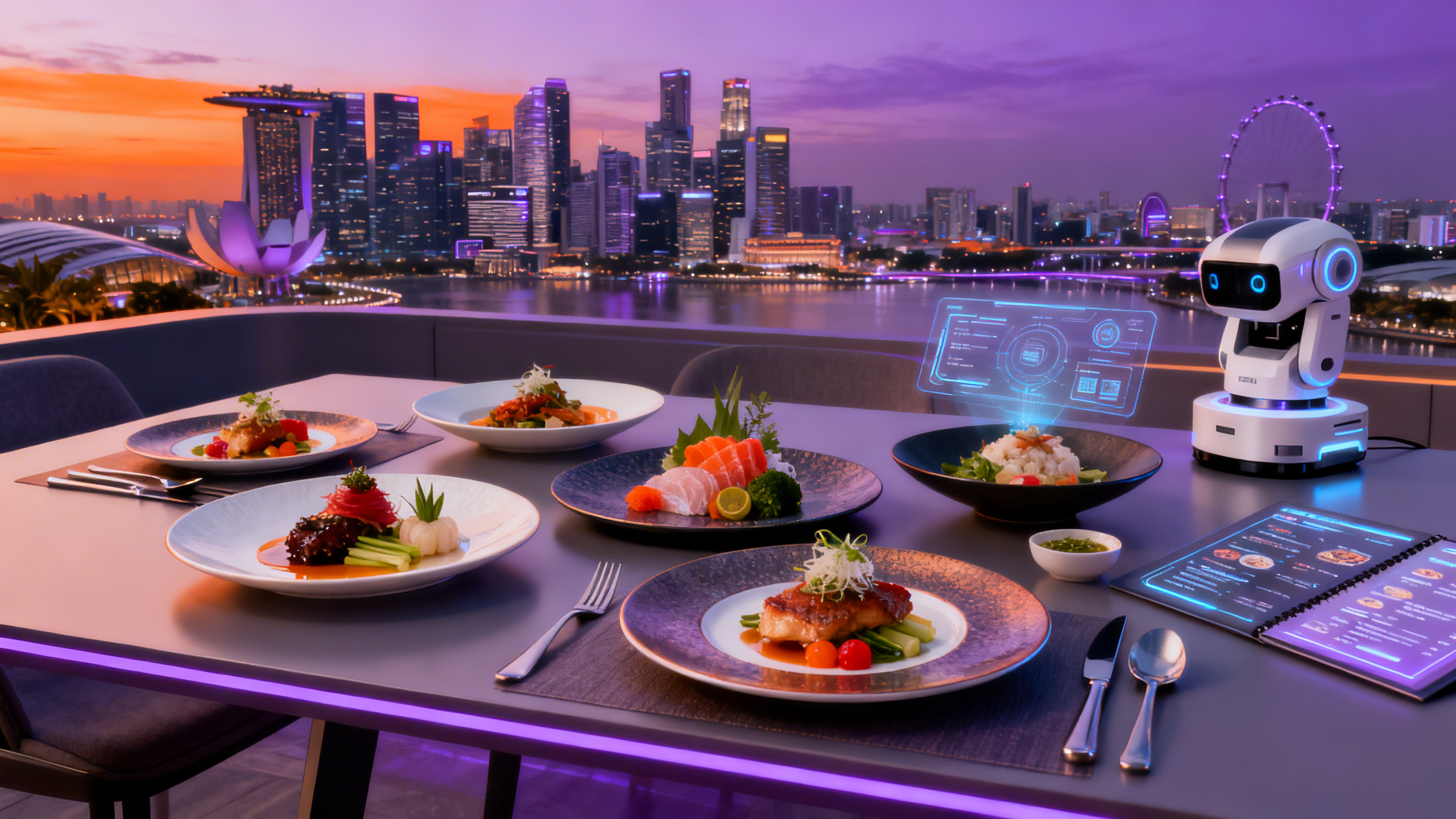
Introduction to Singapore’s Culinary Landscape in 2026
Singapore continues to be a vibrant melting pot of cultures, and its culinary scene in 2026 is no exception. As a global food hub, the city-state masterfully blends tradition with innovation, making it a must-visit destination for food lovers. This year, Singapore’s food trends are shaping up to reflect a fresh mix of sustainability, technology, and a renewed appreciation for heritage flavors. Whether you’re a seasoned foodie or just beginning your gastronomic journey, understanding these currents will enrich your experience immensely.
Plant-Based Revolution: Innovations in Sustainable Eating
Plant-based eating has burgeoned into a significant movement in Singapore’s food culture by 2026, spurred by growing environmental awareness and health consciousness. This isn’t just about eating tofu; the city now boasts a wide array of plant-based dishes that redefine flavor and texture. For instance, restaurants like Grain Traders and Afterglow are pioneering innovative uses of local produce and plant proteins, creating dishes that appeal even to die-hard meat lovers.
Beyond just vegan menus, you’ll find unique creations featuring indigenous ingredients like jackfruit, banana blossoms, and mushrooms, expertly prepared to mirror the rich umami profiles traditionally sourced from animal products. The integration of vertical farming and urban agriculture also shines, with fresh, hyper-local ingredients becoming the norm, reducing food miles and boosting freshness.
Heritage Revival: Rediscovering Classic Flavors with a Modern Twist
Singapore’s rich culinary history is receiving a thoughtful resurgence in 2026. Many chefs are diving into the city’s multi-ethnic roots—Chinese, Malay, Indian, Peranakan, Eurasian—to revive traditional recipes with contemporary techniques. This cultural renaissance is not only preserving culinary heritage but also adapting it to modern palates and dietary preferences.
For example, Labyrinth, a Michelin-starred restaurant, creatively reinterprets Peranakan classics like Ayam Buah Keluak using sous-vide and molecular gastronomy methods, balancing nostalgia and novelty. Street food stalls are also experimenting, adding artisanal craftsmanship to beloved hawker staples such as Hainanese chicken rice and laksa, ensuring these dishes stay relevant and exciting for new generations.
Tech-Driven Dining: The Rise of AI and Robotics in Food Experience
Singapore’s embrace of technology extends to its dining experiences, where AI and robotics have begun to play a pivotal role. In 2026, tech-enabled dining is more interactive, efficient, and personalized. Restaurants use AI to recommend dishes based on dietary preferences and flavor profiles customers enjoy, enhancing the overall experience.
Robotic chefs and automated kitchens are becoming increasingly sophisticated, ensuring consistent quality, hygiene, and sometimes even customization. For example, Creator, known for its robot-crafted burgers, has expanded its presence in Singapore, blending precision technology with culinary art. This fusion of tech and food not only fascinates diners but also helps address labor challenges in the hospitality industry.
Cross-Cultural Fusion: Borders Blur in Flavors
As a global crossroads, Singapore’s culinary scene in 2026 is characterized by bold cross-cultural fusions. Chefs are blending elements from Asian and Western cuisines, as well as lesser-known global influences, to craft novel dishes that surprise and delight. Think Korean spices meet Peranakan stews, or Japanese umami balanced with Indian spices.
Such fusion is not random but thoughtfully curated, respecting the integrity of each origin cuisine while creating something uniquely Singaporean. This approach is highlighted during food festivals like the Singapore Food Festival 2026, where experimental menus feature collaborations between international guest chefs and local culinary talents, showcasing the city’s innovative food spirit.
Experiential Dining: More Than Just Food
In 2026, dining in Singapore is about immersive experiences that engage all the senses. Beyond taste, restaurants are incorporating storytelling, themed environments, and interactive elements into their food offerings. This trend answers the modern diner’s desire for memorable moments, whether through themed pop-ups, multi-sensory tasting menus, or chef’s table experiences.
For instance, places like Odette elevate dining with artful plating and curated music that complement each course, creating a symphony of sensory delight. This trend points toward eating as a holistic cultural and emotional journey, not just nourishment.
Conclusion: Why Singapore Should Be Your 2026 Food Destination
Singapore’s 2026 food trends offer an exciting blend of sustainability, heritage, technology, fusion, and experiential dining that can intrigue any food enthusiast. From innovative plant-based dishes and tech-enhanced kitchens to reinvented traditional flavors and immersive meals, the city firmly stands as a culinary beacon of the future. Planning your trip around these trends will not only satisfy your palate but also give you a deep slice of Singapore’s evolving culture and commitment to innovation.
So pack your appetite and curiosity—Singapore in 2026 is ready to take you on a food journey unlike any other.