
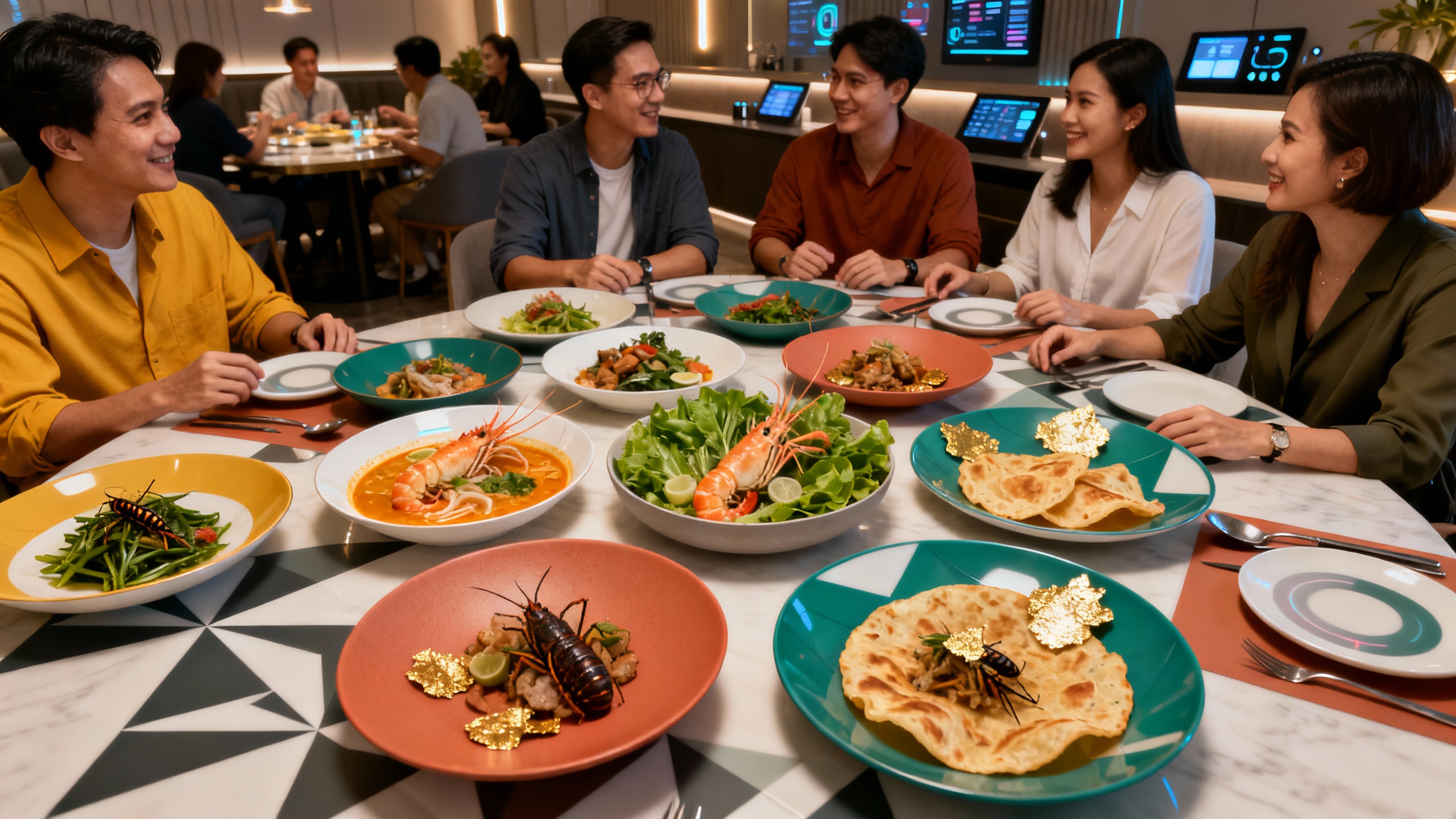
Introduction: Singapore’s Dynamic Food Scene in 2026
Singapore continues to command global culinary attention with its vibrant food culture, blending tradition and innovation seamlessly. In 2026, the city-state invites food lovers on an exciting culinary journey, revealing new food trends that reflect not only local tastes but also global shifts towards sustainability, health consciousness, and technological integration. Experiencing Singapore’s food scene this year means exploring a thriving spectrum from hawker stalls to high-end restaurants, each echoing the emerging trends shaping palates and practices.
With my extensive travels and a deep passion for authentic taste experiences, I’ve witnessed the evolution of Singapore’s food landscape firsthand. This blog post dives into the most compelling food trends of 2026 in Singapore, sharing detailed insights and examples that can inspire your next gastronomic adventure.
Sustainable and Ethical Eating: The Core of 2026’s Food Culture
One of the most dominant trends is the commitment to sustainability. Singapore has doubled down on supporting farm-to-table dining experiences with increased focus on reducing food waste and sourcing ingredients ethically. Urban farms and vertical farming ventures have sprouted across the city, supplying ultra-fresh, locally grown produce to restaurants and markets.
For example, Sky Greens, an iconic vertical farm, continues to revolutionize urban agriculture, providing leafy greens harvested just hours before reaching dining tables. Restaurants like Labyrinth champion zero-waste cooking by transforming overlooked parts of produce into delectable dishes, showcasing circular culinary creativity and respecting nature’s resources.
The trend extends to consumers who are becoming more conscious of ingredient labels and prefer plant-based or alternative protein dishes. Vegan eateries such as Real Food have seen significant patronage, offering innovative menus that rival traditional meat-centric meals in flavor and satisfaction.
Health and Wellness Take Center Stage
In 2026, health is not just a lifestyle but a culinary priority. Singapore’s food scene has embraced nutritionally rich foods that enhance wellbeing. This includes fermented foods, superfoods, and functional ingredients known to support gut health, immunity, and mental clarity.
The popularity of traditional Chinese medicine-inspired ingredients integrated into modern dishes is rising, with restaurants crafting menus around adaptogens like ginseng and reishi mushrooms. Cafes offering probiotic-rich beverages such as kombucha and artisanal kefir have also become hotspots for health-conscious consumers.
Furthermore, food tech innovations are enabling personalized nutrition experiences. Some upscale dining establishments have introduced AI-driven diet consultations, allowing guests to customize meals aligned with their health goals, allergies, or fitness routines, thus making dining not only pleasurable but also beneficial.
Technological Integration Transforming Dining Experiences
Technology continues to revolutionize how Singaporeans engage with food in 2026. From digital menus to robotic waitstaff, tech enhances efficiency and novelty without compromising authenticity. For instance, many hawker centers have adopted QR code ordering systems that streamline service and reduce physical contact.
One striking example is the rise of virtual kitchens and cloud dining; these delivery-only concepts operate from centralized hubs, offering diverse cuisines powered by real-time data analytics that track customer preferences. This model has flourished in Singapore’s densely populated urban environment during and after the pandemic.
Moreover, augmented reality (AR) experiences in food venues allow diners to learn the origin stories of their dishes or watch virtual culinary demonstrations, enriching the sensory and educational aspects of dining out.
Celebrating Heritage with a Modern Twist
Despite the innovations, Singapore’s food scene lovingly preserves its rich heritage. Hawker culture remains a cornerstone, with iconic dishes like Hainanese chicken rice, laksa, and chili crab receiving refreshed takes by young chefs who fuse traditional flavors with international techniques.
Initiatives such as the Hawker Heroes program promote local culinary legends while encouraging younger generations to take up the mantle, ensuring the legacy thrives. For instance, the award-winning chef Violet Oon blends Peranakan cuisine with contemporary plating, attracting both tourists and locals eager for a nostalgic yet fresh dining experience.
The fusion trend continues to flourish with Southeast Asian spices and ingredients being creatively mixed into global dishes, creating an exciting melting pot that reflects Singapore’s multicultural identity.
Conclusion: Why 2026 is a Must-Visit for Food Enthusiasts
Singapore in 2026 is a city that truly celebrates food as a cultural bridge and innovation front-runner. The emphasis on sustainability, health, technology, and heritage creates an enriching tapestry where every meal tells a story and offers an experience beyond taste alone.
Whether dining at a humble hawker stall or a futuristic fine dining restaurant, food lovers will find themselves part of an evolving narrative—one that honors the past, embraces the future, and satisfies every craving in between.
Plan your culinary journey around these trends to uncover the layers of flavor, culture, and innovation that define Singapore’s food scene today. Bon appétit!