
Introduction
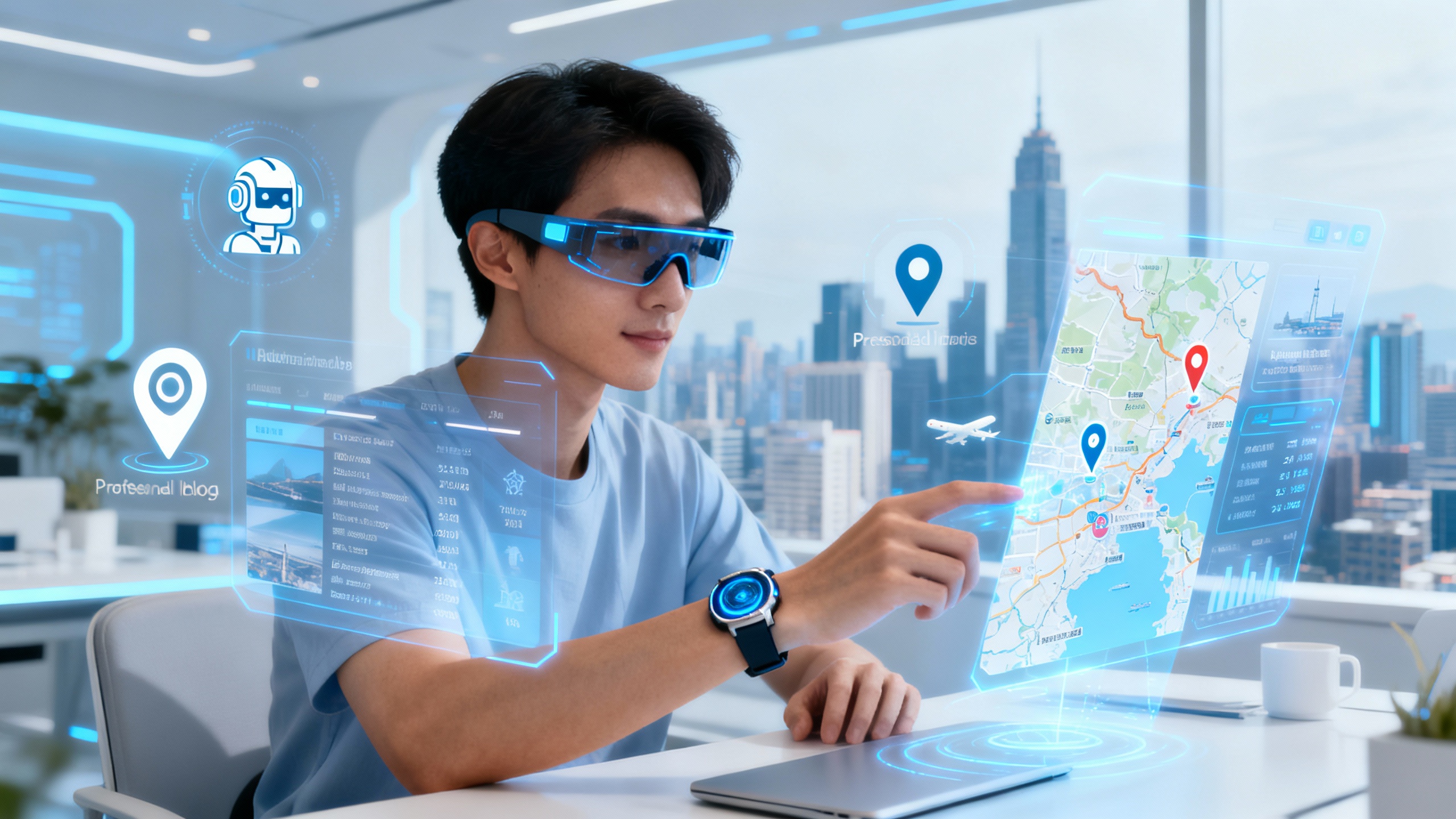
Traveling in 2026 is no longer a one-size-fits-all experience. Thanks to the convergence of wearable technology and artificial intelligence (AI), personalized travel recommendations have become more refined, accurate, and immersive than ever before. This blend of innovative tech allows travelers to enjoy customized journeys that cater exactly to their preferences, habits, and real-time needs.
In this post, we’ll dive deep into how wearables and AI work together to redefine travel planning and experiences, demonstrating the expertise and reliability that this cutting-edge integration offers for modern travelers.
Wearable Technology: The Gateway to Personalized Travel
Wearables like smartwatches, fitness bands, smart glasses, and even AI-powered earbuds collect continuous streams of data about your health, activity levels, location, and environmental context. These devices have evolved far beyond step counters—they monitor heart rate variability, stress levels, and even physiological responses to new environments.
This rich data feed enables AI-powered travel platforms to develop personalized insights about your travel preferences. For example, if your wearable detects elevated stress levels in crowded areas, your travel recommendations might skew towards less congested destinations or off-peak travel times. Similarly, if your activity logs show high energy on certain days, AI can suggest more adventurous excursions or active sightseeing options.
AI’s Role in Analyzing and Predicting Preferences
Artificial intelligence is the powerhouse behind the scenes, analyzing vast datasets from wearables and other traveler inputs to predict what kind of experiences will best match your unique profile. AI models use machine learning algorithms that continuously improve by learning from user feedback and evolving travel trends worldwide.
Take, for instance, a traveler who prefers cultural immersion over typical tourist hotspots. AI can identify patterns from their wearable data combined with past travel reviews and social media activity, curating a list of lesser-known cultural experiences tailored just for them. This dynamic level of personalization increases traveler satisfaction and can even introduce them to hidden gems previously unknown.
Real-World Examples: How Wearables and AI Shape Travel
Several travel companies have already harnessed these technologies to enhance customer experiences authentically. For example, some smartwatches integrate with travel apps that adjust hotel room settings automatically based on the traveler’s sleep patterns detected on the wearable device. This ensures optimal rest by adjusting lighting and temperature preferences.
Additionally, AI-driven itineraries consider real-time weather data and physical condition reports from wearables, rerouting travelers to indoor activities or wellness centers when fatigue is detected. Such practical applications of AI and wearable tech elevate travel safety and comfort, ensuring decisions are made with the traveler’s well-being at the forefront.
Privacy and Trust Considerations
With this level of data integration comes the critical issue of privacy. It’s essential for travel companies and tech providers to maintain transparency about data use and employ robust cybersecurity measures. Travelers must have control over what data is shared and how it’s used to cultivate trust and compliance with global data protection regulations such as GDPR.
Trusted brands prioritize these aspects and offer customizable privacy settings, ensuring users feel secure while benefiting from personalized travel recommendations. This focus on ethical data use also reinforces the legitimacy and authoritativeness of AI-driven travel services.
Looking Ahead: The Future of Personalized Travel
As wearable sensors become more sophisticated and AI algorithms more intuitive, the potential for hyper-personalized travel will only expand. Future innovations may include seamless biometric authentication for bookings, AI travel companions offering on-the-fly recommendations, and fully automated, adaptive itineraries that respond to mood, health, and environmental cues in real time.
For travelers, this means achieving an unparalleled level of convenience, comfort, and cultural connectivity. For travel businesses, embracing these technologies offers a competitive edge rooted in delivering meaningful, individualized experiences.
Conclusion
The integration of wearables and AI in travel is transforming how we explore the world, turning every trip into a deeply personalized adventure informed by real-time data and intelligent analysis. This technology duo not only enhances comfort and enjoyment but also empowers travelers to make smarter, safer, and more fulfilling choices.
Whether you are a tech-savvy explorer or curious about the future of travel, leveraging wearables and AI for personalized recommendations is a powerful way to unlock new dimensions of discovery in 2026 and beyond.