
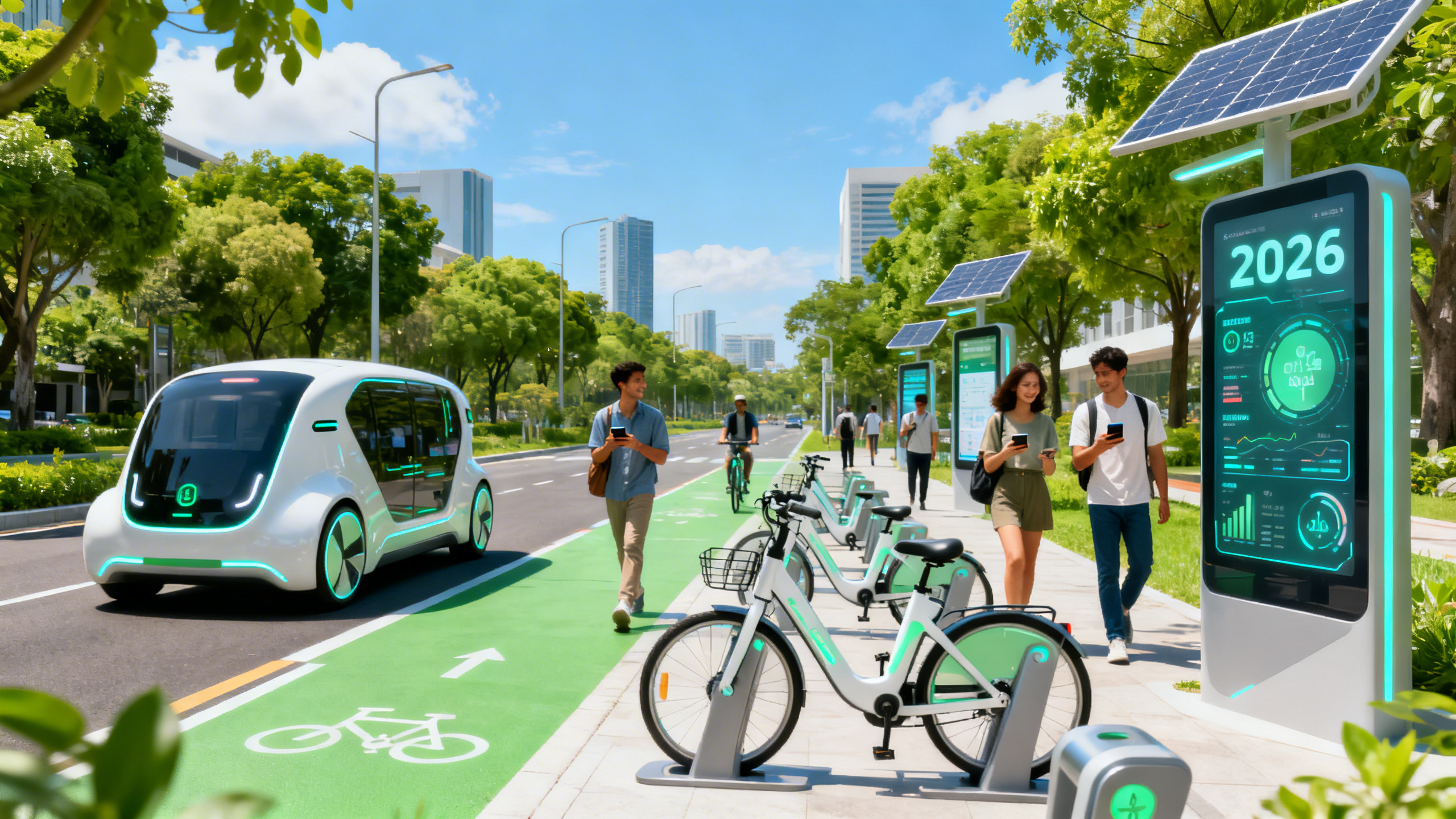
Introduction to Sustainable and Smart Travel
As we move deeper into 2026, the concept of travel is evolving significantly. Travelers today are more conscious about their environmental impact and the technological opportunities that enhance their experiences. Sustainable and smart travel combines eco-friendly practices with cutting-edge technology to minimize harm to the planet while maximizing convenience, comfort, and cultural immersion. Embracing this approach not only supports global sustainability goals but also enriches your journeys, making each trip meaningful and responsible.
In this post, we’ll delve into practical ways you can integrate sustainable and smart travel habits on your next adventure, helping you become a responsible traveler who values the planet and leverages technology for an elevated experience.
Understanding the Core of Sustainable Travel
Sustainable travel prioritizes minimizing environmental footprints, supporting local communities, and protecting cultural heritage. This means choosing transportation, accommodations, and activities that conserve resources and promote long-term well-being of destinations. For example, opting for train travel or electric vehicles over short-haul flights dramatically reduces carbon emissions. Many European cities, such as Amsterdam and Copenhagen, have extensive cycling networks and public transport systems that offer eco-friendly and immersive ways to explore.
Accommodation choices are equally critical. Eco-certified hotels and lodges utilize renewable energy, implement water-saving measures, and reduce waste. For instance, the Proximity Hotel in North Carolina uses solar energy and has a robust recycling program, showcasing how luxury and sustainability can coexist seamlessly. Supporting local artisans and eateries also ensures your economic contribution benefits the community, enhancing the authenticity of your travel experience.
Leveraging Technology for Smart Travel
Smart travel integrates digital tools and innovative solutions to create smoother, safer, and more sustainable journeys. Apps that track carbon footprints, for example, allow travelers to offset emissions by contributing to reforestation projects or renewable energy initiatives. Platforms like ‘Ecosia’ offer eco-friendly travel planning by highlighting green businesses and sustainable attractions.
Additionally, smart devices and AI-powered assistants help optimize travel itineraries by reducing unnecessary travel and wait times. Many airports and train stations now employ biometric check-ins and contactless payments, minimizing paper use and enhancing efficiency. Customized travel apps also support real-time updates on local public transport, helping travelers reduce reliance on private cars, a key contributor to pollution.
Practical Tips to Travel Sustainably and Smartly in 2026
Start by planning your trips with sustainability as a priority. Choose destinations and providers committed to green practices. For instance, consider eco-resorts in Costa Rica that focus on conservation while offering immersive nature experiences. Pack light to reduce fuel consumption on flights and use reusable travel gear such as water bottles and utensils to minimize single-use plastic waste.
When exploring, embrace local culture by eating traditional foods, shopping at markets, and participating in community-led tours. Use technology like digital boarding passes and e-tickets to cut down on paper waste. Also, consider offsetting your trip’s carbon footprint through trustworthy platforms.
Future Trends in Travel Sustainability and Technology
In 2026, we can expect further advancements in renewable energy-powered transportation, like more frequent electric flights and hydrogen-powered trains. Cities around the world are also improving green infrastructure, making it easier for visitors to experience urban areas sustainably. Smart city technologies will provide seamless integrations between transport, accommodation, and attractions, further reducing environmental impact.
Furthermore, innovations in virtual reality (VR) and augmented reality (AR) offer sustainable alternatives to traditional physical travel, helping reduce overall travel frequency while providing enriching experiences. For example, virtual heritage tours can make cultural sites accessible globally without putting stress on fragile environments.
Conclusion: Becoming a Responsible Traveler in 2026
Travelers in 2026 have an unprecedented opportunity to blend sustainability with smart technology for unforgettable, responsible adventures. By making thoughtful choices—from transport and accommodation to activities and dining—you contribute positively to the world while enjoying deeper, more authentic travel experiences. Staying informed about technological advancements and emerging green initiatives will empower you to lead by example and inspire others to follow suit.
The journey to being a conscious traveler is ongoing and rewarding. Start embracing sustainable and smart travel today to ensure that the destinations we love will continue to thrive for generations to come.