
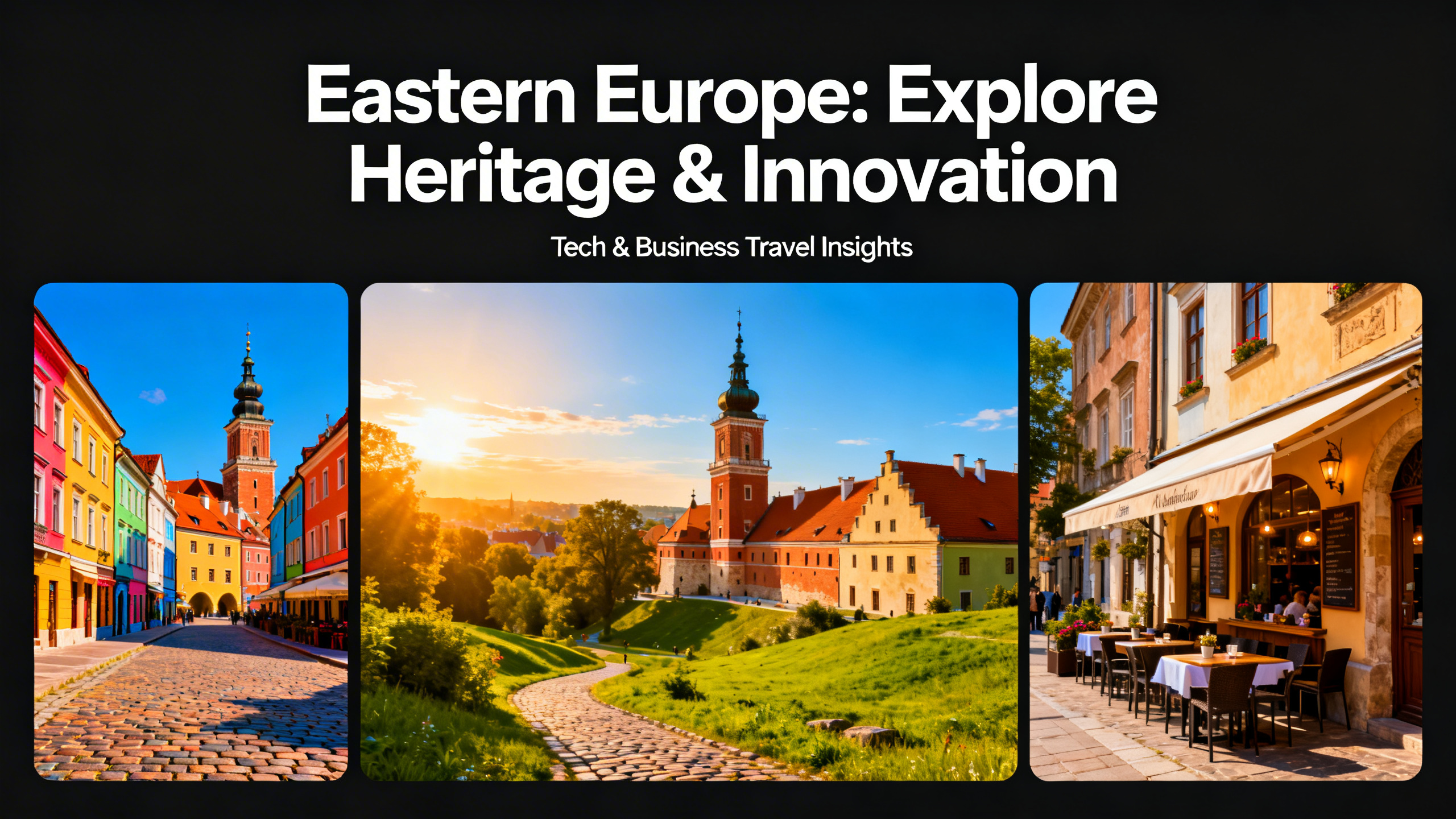
Introduction to Eastern Europe’s Hidden Gems
Eastern Europe, often overshadowed by its Western counterparts, is a treasure trove of rich history, stunning landscapes, and vibrant cultures waiting to be discovered. From cobblestone streets lined with medieval architecture to serene natural escapes, this region offers an exciting blend of experiences for adventurous travelers. In 2026, as tourism trends shift towards off-the-beaten-path destinations, Eastern Europe’s lesser-known locales are emerging as must-visit spots for those seeking authenticity and uniqueness.
Why Choose Eastern Europe’s Offbeat Destinations?
While popular cities like Prague, Budapest, and Krakow attract millions, the true spirit of Eastern Europe is found in its hidden gems. These lesser-known places offer fewer crowds, more affordable travel experiences, and an intimate glimpse into local traditions and everyday life. For instance, towns such as Lviv in Ukraine provide a captivating mix of Eastern European history, vibrant street art, and thriving coffee culture, making it a haven for cultural explorers.
Moreover, countries like Romania reveal spectacular natural wonders, including the Transfagarasan Highway, often described as one of the most beautiful roads in the world. The rural villages scattered throughout the Carpathian Mountains showcase enduring folk traditions and crafts, providing travelers with an immersive cultural experience that feels genuine and personal.
Top Hidden Gems to Add to Your Itinerary
1. Veliko Tarnovo, Bulgaria: Known as the “City of the Tsars,” this medieval town offers dramatic hilltop views, ancient fortress ruins, and charming, narrow streets. Its rich history as Bulgaria’s former capital makes it a fascinating destination for history buffs and photographers alike.
2. Sibiu, Romania: Located in Transylvania, Sibiu is a beautifully preserved medieval town with colorful buildings, grand squares, and a vibrant arts scene. It was named the European Capital of Culture in 2007 and continues to be an artistic hub full of festivals and events.
3. Kotor, Montenegro: Nestled in a stunning fjord-like bay, Kotor captivates with its fortified old town and dramatic mountain backdrop. Its labyrinthine streets, quaint cafes, and rich maritime history offer a unique blend of relaxation and exploration.
4. Tartu, Estonia: A lively university town, Tartu mixes youthful energy with historic charm. It’s famed for its innovative museums, including the AHHAA Science Centre, and its cozy cafes dotted around cobbled streets.
Experiencing the Culture and Cuisine
Eastern Europe’s hidden gems come alive through their people and their culinary traditions. Sampling local delicacies is essential to understanding these cultures. For example, in the Baltics, travelers can savor hearty rye bread soups or fresh Baltic herring, while in the Balkans, indulging in dishes like Serbian ćevapi or Bulgarian banitsa offers a taste of centuries-old recipes passed through generations.
Moreover, engaging with local festivals and markets offers unparalleled insight into traditional music, dance, and crafts. A visit during the Maslenitsa festival in Belarus or the Guca Trumpet Festival in Serbia reveals lively celebrations filled with authentic, spontaneous joy and community spirit that often remain hidden from mainstream tourism.
Tips for Traveling to Eastern Europe’s Hidden Gems
To enjoy these destinations fully, flexibility and openness are key. Public transportation may be less predictable than in Western Europe, so having a local guide or renting a car can enhance accessibility. Learning a few basic phrases in the local language not only facilitates communication but also shows respect that villagers appreciate deeply.
Travelers should also be mindful of cultural sensitivities and local customs. Many of these places maintain strong religious and traditional practices that shape daily life. For example, dressing conservatively when visiting churches and asking permission before photographing people ensures respectful interactions.
Conclusion
In 2026, Eastern Europe’s hidden gems offer travelers a rare chance to experience authentic history, culture, and natural beauty away from the often crowded tourist trails. Whether wandering through medieval streets, savoring local flavors, or hiking pristine wilderness, these destinations provide enriching and memorable journeys. For those seeking a deeper, more personal travel adventure, Eastern Europe’s secret corners await discovery with open arms.
Start planning your off-the-beaten-path Eastern European adventure today and uncover the stories, sights, and sensations that make this region truly special.