
The Allure of Eastern Europe Beyond the Usual
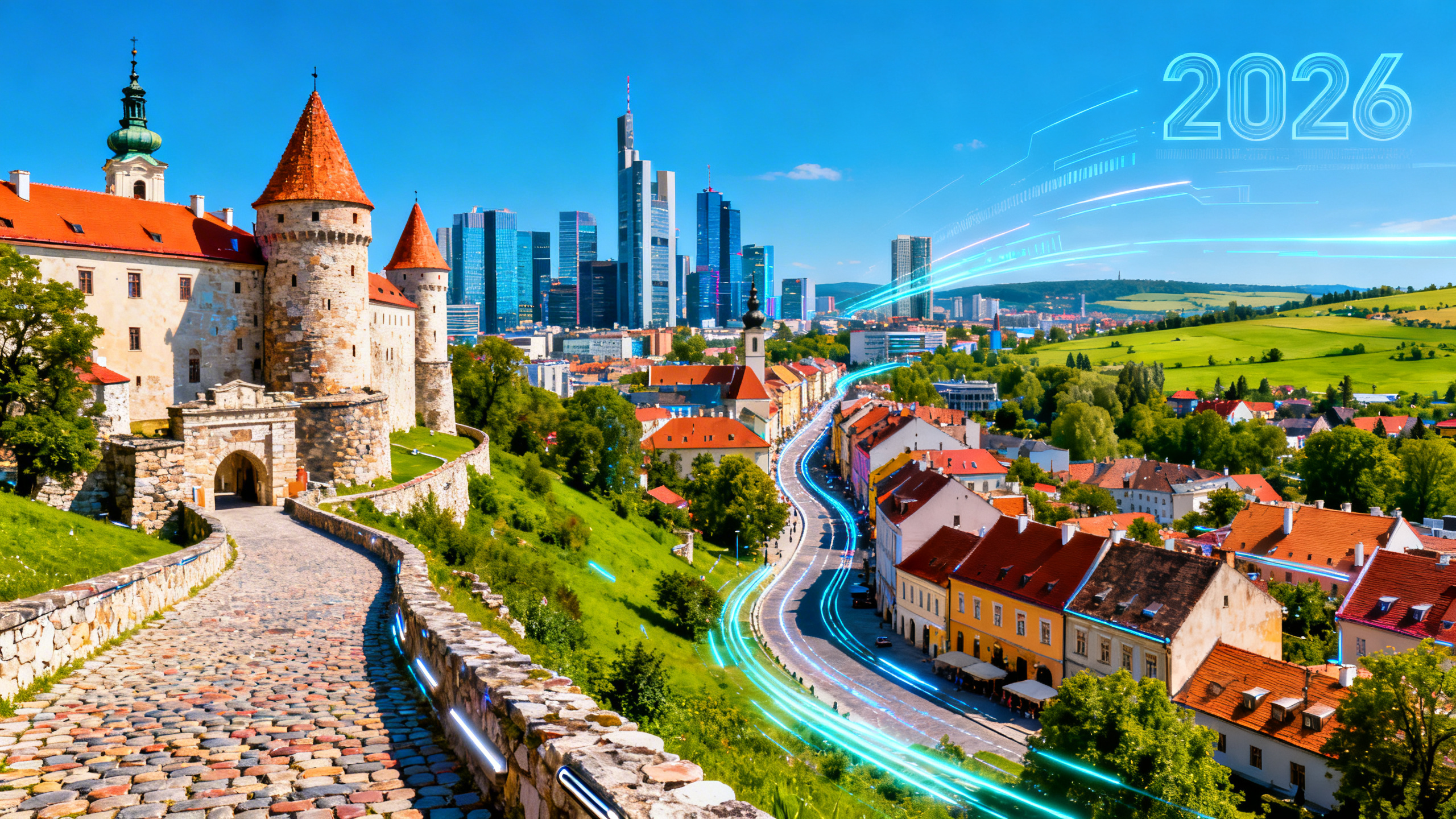
When many travelers think of Europe, the spotlight often falls on iconic cities like Paris, Rome, and Amsterdam. However, Eastern Europe offers a rich tapestry of history, culture, and natural beauty that remains less explored yet immensely rewarding. In 2026, adventure seekers and culture enthusiasts alike are increasingly turning their attention to the hidden gems nestled in this fascinating part of the continent. These destinations promise authentic experiences, fewer crowds, and a chance to dive deep into the vibrant local traditions.
Diving into Eastern Europe’s hidden gems allows travelers to connect with places that are steeped in centuries-old stories, but also brimming with modern charm. The region boasts diverse landscapes—from scenic mountains and lush forests to quaint medieval towns and lively cities where past and present coexist harmoniously. As tourism infrastructure improves, 2026 is shaping up to be the perfect time to explore these overlooked treasures.
Cesis, Latvia: Medieval Marvels and Natural Beauty
Cesis stands out as a prime example of Latvia’s medieval heritage beautifully preserved and surrounded by stunning natural settings. This charming town invites visitors to wander its cobblestone streets, visit the impressive Cesis Castle ruins, and soak up panoramic views of the Gauja Valley. Beyond history, Cesis is a hub for outdoor enthusiasts with nearby forests and parks offering hiking, cycling, and wildlife spotting opportunities.
What sets Cesis apart in 2026 is its balance between tranquility and cultural vibrancy. Local festivals featuring traditional Latvian music and crafts provide an immersive experience, showcasing the unique identity of this relatively undiscovered spot. Travelers seeking authenticity and serenity will find Cesis to be an ideal retreat.
Pecs, Hungary: Where Art and History Meet
Pecs, located in southern Hungary, offers a fascinating blend of Roman ruins, Ottoman architecture, and a thriving contemporary art scene. Recognized as a European Capital of Culture in 2010, the city possesses a compelling narrative that unfolds through its museums, galleries, and well-preserved landmarks like the Early Christian Necropolis, a UNESCO World Heritage site.
In 2026, Pecs continues to attract visitors with its friendly atmosphere and culinary delights, including traditional Hungarian dishes infused with fresh, local ingredients. Its compact size allows easy exploration on foot, making it perfect for travelers who appreciate walking through living history while indulging in authentic flavors and modern cultural events.
Veliko Tarnovo, Bulgaria: The City of the Tsars
Veliko Tarnovo is often dubbed the “City of the Tsars” due to its historical significance as the medieval capital of the Second Bulgarian Empire. Its dramatic setting atop hills overlooking the Yantra River provides breathtaking views of the fortress and ancient streets that transport visitors back in time.
2026 travelers will be captivated by Veliko Tarnovo’s rich heritage, including its traditional crafts and vibrant street art scene. The vibrant Asenova Mahala neighborhood reveals a blend of Ottoman and Bulgarian Revival architecture, while local markets offer handcrafted souvenirs and delicious Bulgarian cuisine. Veliko Tarnovo embodies a mix of cultural depth and visual splendor that makes it a must-visit.
Lviv, Ukraine: Culture and Coffee in the Heart of Eastern Europe
Lviv, a city of cobbled squares and ornate churches, is an epicenter of Ukrainian culture and history. Its architecture reflects a tapestry of influences, from Gothic to Baroque, while its thriving coffee culture has earned it a reputation as one of the best coffee cities in Europe.
Despite geopolitical challenges, Lviv remains a resilient and welcoming city in 2026, offering visitors an authentic Eastern European experience rich in art, music, and culinary adventures. The annual Lviv Coffee Festival and the city’s numerous cozy cafes provide spaces for interaction and relaxation in this vibrant urban hub.
Why Explore These Hidden Gems in 2026?
Visiting these overlooked destinations in 2026 offers travelers the chance to experience Eastern Europe beyond the typical tourist circuit, often at a more relaxed pace and with more meaningful interactions. Additionally, the ongoing development of sustainable tourism initiatives in these areas ensures that the cultural and natural heritage is preserved for future generations.
Moreover, the cost of travel in these cities tends to be more budget-friendly compared to Western Europe, making them attractive options for both short getaways and extended stays. From ancient castles to bustling markets and pristine nature, Eastern Europe’s hidden gems invite you to embark on an unforgettable journey of discovery, culture, and connection.
Final Thoughts
As 2026 unfolds, travelers seeking authentic and enriching experiences will find immense value in Eastern Europe’s hidden gems. Cesis, Pecs, Veliko Tarnovo, and Lviv each provide unique insights into the region’s diverse history, culture, and landscapes. Whether you’re looking to immerse yourself in medieval architecture, savor local culinary traditions, or simply enjoy the tranquility of lesser-known locales, these destinations stand ready to welcome you with open arms and unforgettable experiences.