
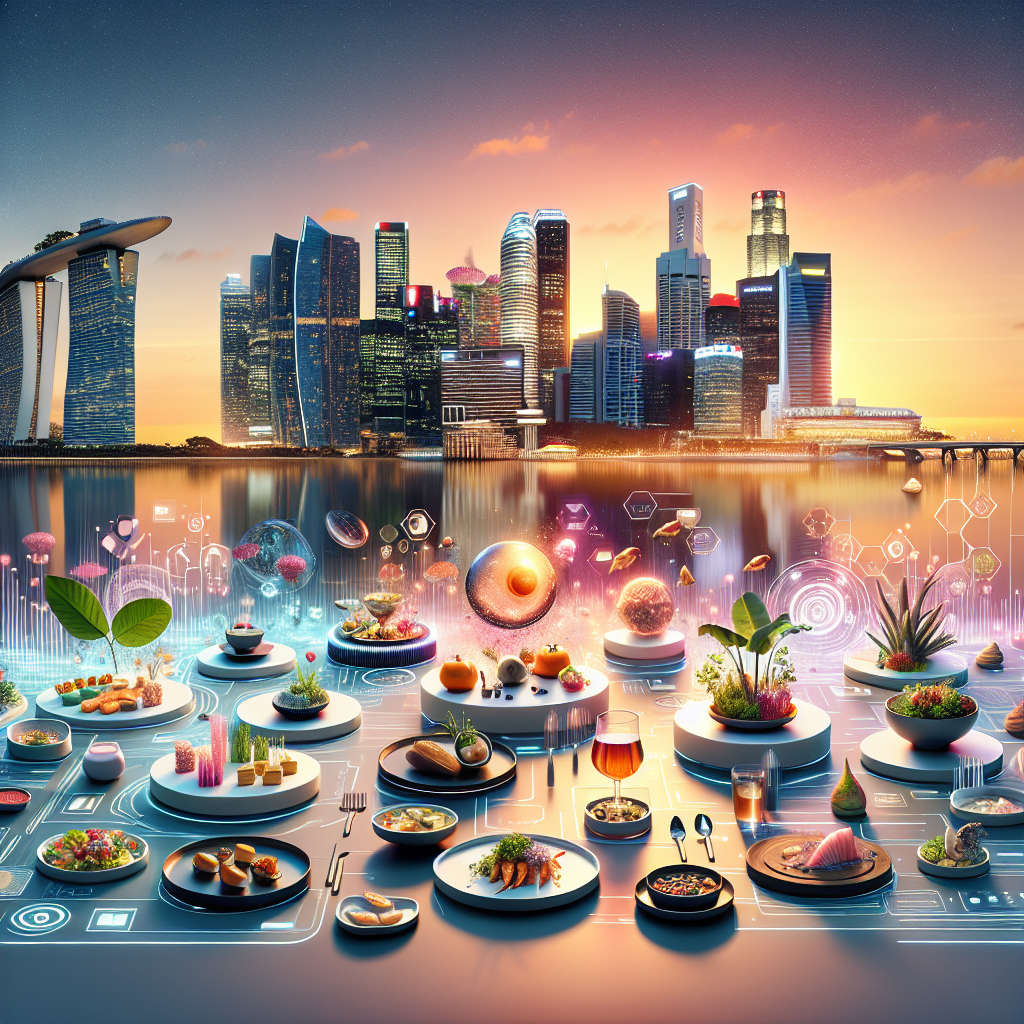
Exploring Singapore’s 2026 Food Trends: A Culinary Journey
As we step into 2026, Singapore’s vibrant culinary scene continues to evolve, embracing sustainability, regional flavors, and innovative dining experiences. This year, food enthusiasts can look forward to a rich tapestry of trends that reflect both global influences and local heritage. Let’s embark on a gastronomic journey through Singapore’s top food trends for 2026.
The Rise of Regional and Hyper-Local Ingredients
Chefs in Singapore are increasingly turning to Southeast Asian and local ingredients that were previously overlooked in fine dining contexts. Ingredients like ginger flower (bunga kantan), jungle garlic, ulam raja, moringa leaf, and turmeric are moving from hawker centers and home kitchens into upscale restaurants. This shift not only highlights the rich biodiversity of the region but also supports local farmers and promotes sustainability. By incorporating these hyper-local ingredients, chefs are creating dishes that are both innovative and deeply rooted in Singapore’s culinary traditions.
Plant-Forward Pastries and Plant-Based Indulgence
Plant-based eating continues to gain momentum in 2026, with a particular emphasis on plant-forward pastries. Diners are seeking lighter indulgences that don’t compromise on flavor or texture. Imagine croissants made with plant-based butter, pastries filled with mushrooms or spiced chickpeas, or fruit-forward desserts that rely less on dairy. This trend reflects a broader shift towards sustainability and health-conscious dining, allowing patrons to enjoy their favorite treats with a modern twist. Bakeries and cafés are embracing this movement by reimagining classic pastries with plant-based ingredients, offering a guilt-free indulgence that appeals to both vegans and non-vegans alike.
Fermentation, Reimagined
Fermentation is no longer confined to traditional applications like yogurt or soy sauce. In 2026, it’s becoming a versatile technique with surprising applications. Fermented foods can be easier to digest, more flavorful, and in some cases, even boost vitamin and mineral content. Today, microbial magic is appearing in products like fermented olives, spicy dill pickles, and red sauerkraut with beets and pears. Fermented nut butters and condiments such as habanero hot sauce are also gaining attention, proving that this ancient technique can modernize everything from snacks to pantry staples. This trend not only enhances the depth of flavors but also aligns with the growing interest in gut health and probiotics among consumers.
Exclusive Products and Limited-Time Offerings
The age of exclusivity and the populist product is here. Limited-time launches and blind boxes are transforming the food industry, creating a sense of urgency and excitement among consumers. From Le Creuset blind boxes to Starbucks “Bearista” cups, this trend is making its way into every industry, including food. Restaurants and food brands are leveraging this by offering exclusive menu items or collaborations that are available for a limited time, encouraging patrons to try something new and unique. This strategy not only drives sales but also fosters a sense of community and anticipation among food enthusiasts.
Beans and Legumes: The New Superfoods
Pulses, including beans and legumes, are having a moment and are expected to be elevated in 2026. Cannellini beans and lima beans, also known as butter beans, are gaining popularity due to their versatility, shelf stability, and nutrient density. These legumes are not only heart-healthy but also provide a good source of protein and fiber, making them a staple in plant-based diets. Chefs are incorporating them into a variety of dishes, from hearty stews to innovative salads, showcasing their adaptability and rich flavors. This trend reflects a broader movement towards sustainable and health-conscious eating habits, as consumers seek out foods that are both nutritious and environmentally friendly.
Value for Money: Luxe Dining Experiences
In 2026, diners are seeking value for money without compromising on quality. Restaurants are offering luxurious dining experiences at more accessible price points, making gourmet meals more attainable for a wider audience. Whether it’s an omakase sushi experience or a perfectly cooked steak with all the trimmings, establishments are focusing on delivering exceptional value. This approach not only attracts a broader clientele but also encourages repeat visits, as patrons appreciate the balance between quality and affordability. The emphasis on value for money is reshaping the dining landscape, prompting restaurants to innovate and adapt to changing consumer expectations.
Conclusion
Singapore’s food scene in 2026 is a dynamic blend of tradition and innovation. From embracing regional ingredients and plant-based indulgence to reimagining fermentation and offering exclusive products, the culinary landscape is rich with diversity and creativity. As diners become more discerning and health-conscious, these trends reflect a collective desire for authenticity, sustainability, and value. Whether you’re a seasoned foodie or a casual diner, Singapore’s evolving food trends promise a delightful and enriching culinary journey.
Social Media Post:
Discover Singapore’s top food trends for 2026! From plant-based pastries to exclusive dining experiences, the culinary scene is evolving. #SingaporeFood #CulinaryTrends #FoodieAdventures