
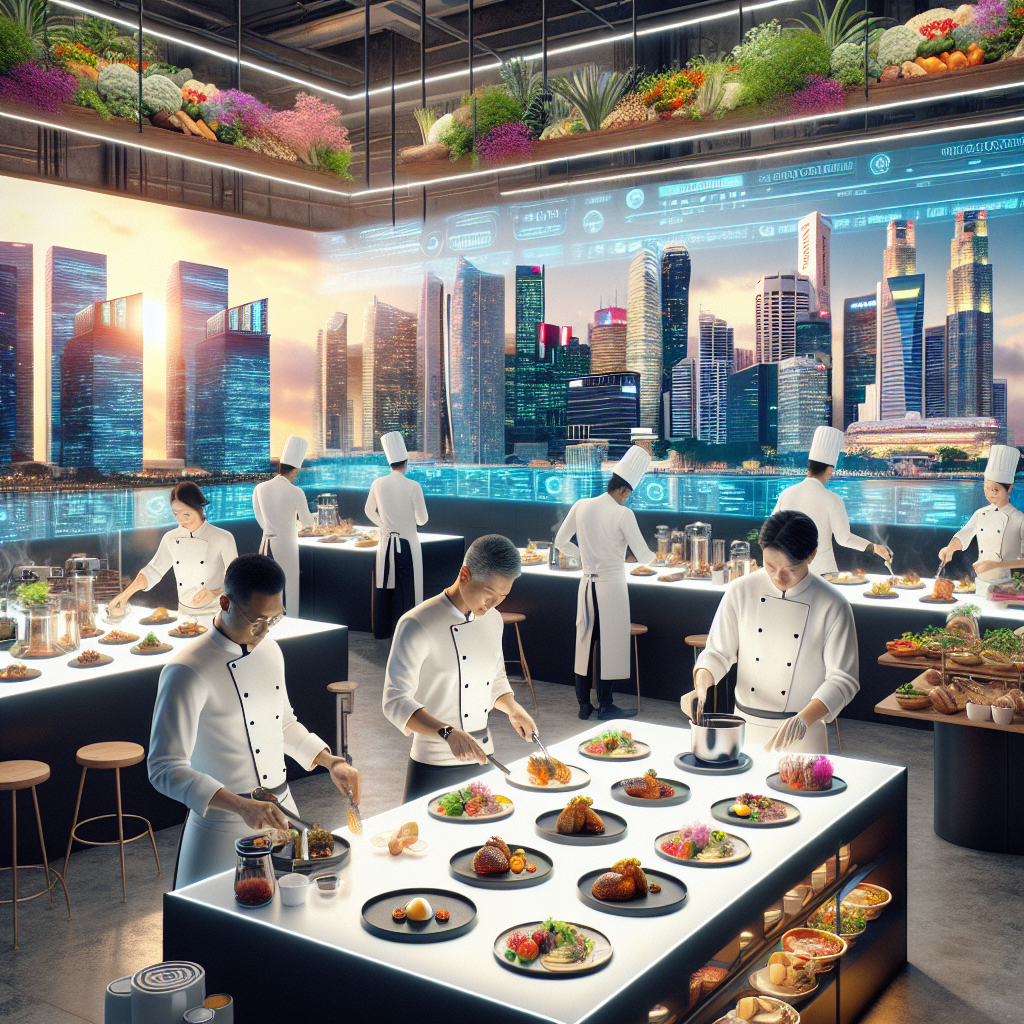
Exploring Singapore’s 2026 Food Trends: A Culinary Journey
As we step into 2026, Singapore’s vibrant culinary scene continues to evolve, embracing new flavors, innovative techniques, and a deeper commitment to sustainability. This year, food enthusiasts can look forward to a delightful array of trends that reflect both global influences and local ingenuity. Let’s embark on a gastronomic journey through Singapore’s top food trends for 2026.
1. Burnt Butter’s Rise
Burnt butter, or beurre noisette, is making a significant impact in Singapore’s kitchens. This toasted, caramelized butter adds a rich, nutty flavor to both sweet and savory dishes. From pastries to sauces, chefs are incorporating burnt butter to elevate traditional recipes. Its versatility allows for creative pairings, enhancing the depth and complexity of various dishes.
2. Plant-Forward Pastries
The shift towards plant-based ingredients is evident in Singapore’s bakeries and cafés. Plant-forward pastries, such as croissants made with plant-based butter and fillings like mushrooms or spiced chickpeas, are gaining popularity. This trend caters to the growing demand for sustainable and health-conscious options without compromising on taste and texture.
3. Global Fusion Flavors
Singapore’s multicultural heritage continues to inspire authentic global fusion cuisines. Traditional dishes are being reimagined with local ingredients, creating unique flavor profiles. For instance, pastries layered with kaya and sea salt or focaccia enriched with shokupan softness showcase the harmonious blend of cultures and culinary traditions.
4. Convenience Meets Quality
In response to the fast-paced urban lifestyle, the foodservice industry is embracing convenience without sacrificing quality. Ready-to-bake solutions, pre-proofed doughs, and frozen viennoiserie allow operators to deliver fresh bakes efficiently. This approach balances labor costs and consistency, meeting the demands of time-conscious consumers.
5. Sustainability in Dining
Environmental consciousness is shaping dining choices in Singapore. Consumers are increasingly seeking eco-labeled brands and restaurants that adopt greener practices. From sourcing local and organic ingredients to minimizing food waste, establishments are implementing sustainable practices to appeal to environmentally aware patrons.
6. Rise of Regional Ingredients
Chefs are turning to regional ingredients to create distinctive flavors. The introduction of Hanwoo beef, freshly approved for export to Singapore, exemplifies this trend. Known for its balance of meatiness and fat, Hanwoo beef offers a unique taste experience, reflecting a growing appreciation for quality, locally sourced produce.
7. Citrus Explosion
Citrus fruits are taking center stage in Singapore’s culinary landscape. Varieties like pomelo, calamansi, and yuzu are being incorporated into beverages, candies, marinades, and dressings, adding brightness and tang to dishes. This trend highlights the versatility and exotic appeal of citrus fruits in modern cuisine.
8. Texture Takes the Spotlight
Texture is becoming a defining element in Singapore’s food scene. From crisp-edged croissants with airy interiors to breads that balance crust with softness, diners are seeking sensory satisfaction in their meals. This focus on texture enhances the overall dining experience, making it more memorable and enjoyable.
9. Transparency, Provenance, and Trust
Consumers are increasingly interested in the origins of their food. Establishments that share sourcing stories and ethical practices build trust and loyalty among patrons. Transparency in ingredient sourcing and preparation methods is becoming a standard expectation, reflecting a broader desire for authenticity and integrity in dining experiences.
As Singapore’s culinary landscape continues to evolve in 2026, these trends offer a glimpse into the innovative and sustainable future of dining. Whether you’re a local resident or a visitor, exploring these developments promises a rich and diverse gastronomic adventure.