
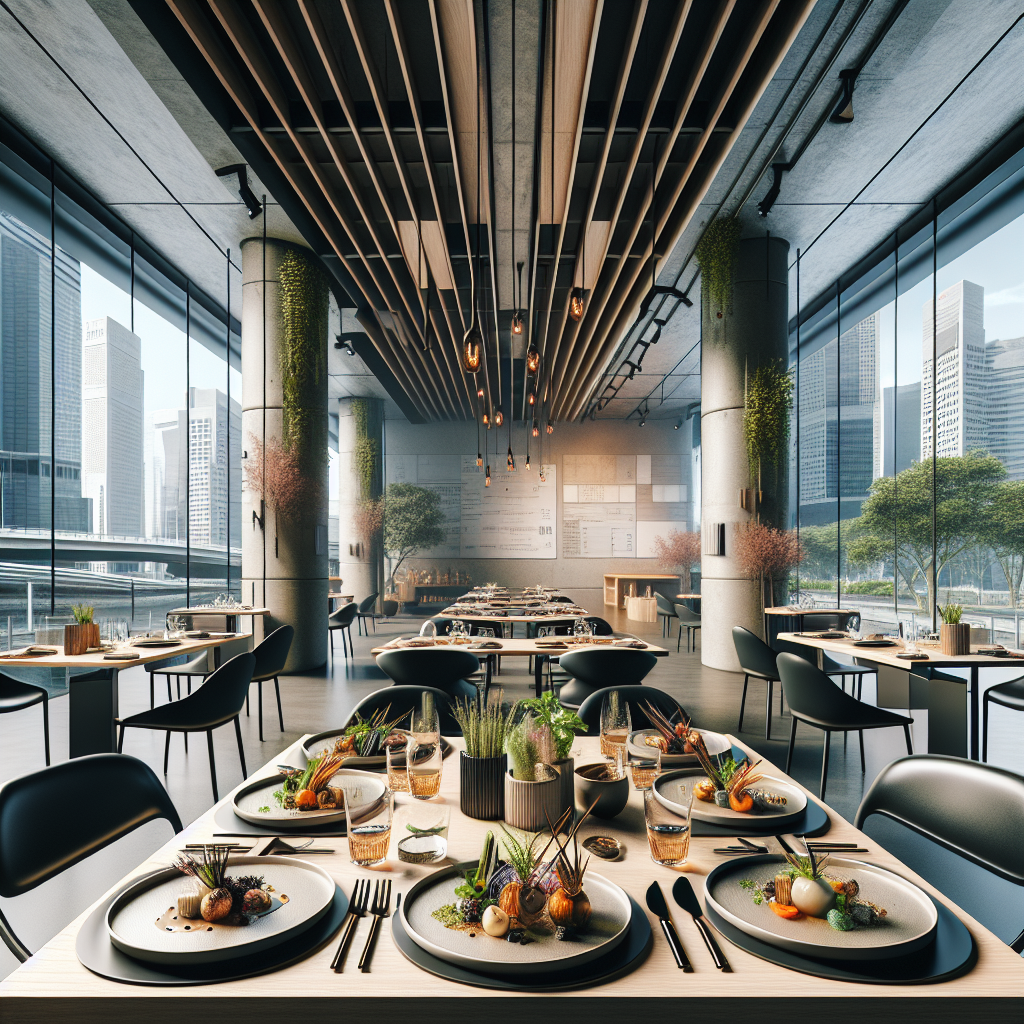
Exploring Singapore’s 2026 Food Trends: A Culinary Journey
As we step into 2026, Singapore’s vibrant culinary scene continues to evolve, embracing new flavors, sustainable practices, and a deeper connection to regional ingredients. This year promises a gastronomic adventure that reflects both global influences and local traditions. Let’s delve into the key food trends shaping Singapore’s dining landscape in 2026.
The Rise of Regional and Hyper-Local Ingredients
Chefs in Singapore are increasingly turning to Southeast Asian and local ingredients that were previously overlooked in fine dining contexts. Ingredients like ginger flower (bunga kantan), jungle garlic, ulam raja, moringa leaf, and turmeric are moving from hawker centers and home kitchens into upscale restaurants. This shift not only highlights the rich biodiversity of the region but also supports local farmers and promotes sustainability. By incorporating these hyper-local ingredients, chefs are creating dishes that are both innovative and deeply rooted in Singapore’s culinary heritage.
This trend reflects a broader movement towards authenticity and sustainability in the food industry. Diners are becoming more conscious of the origins of their food and are seeking out establishments that prioritize local sourcing and environmental responsibility. As a result, restaurants are reimagining traditional recipes, infusing them with contemporary techniques while honoring their cultural significance.
Plant-Forward Pastries and Plant-Based Innovations
Plant-based eating continues to gain momentum in 2026, with a particular emphasis on plant-forward pastries. This trend is fueled by sustainability awareness and curiosity for new textures. Diners are looking for food that feels lighter, but not lesser. In Singapore, this shift has moved beyond dietary preference into a mark of modern taste. Imagine croissants made with plant-based butter, pastries filled with mushrooms or spiced chickpeas, or fruit-forward desserts that rely less on dairy. For the food service industry, this isn’t about restriction; it’s about rethinking what indulgence can be in a greener future.
Additionally, plant-based ingredients are being incorporated into traditional Singaporean dishes, offering a modern twist on beloved classics. This innovation allows diners to enjoy familiar flavors while aligning with their dietary choices and environmental values. The versatility of plant-based ingredients ensures that these dishes are both satisfying and sustainable, appealing to a wide range of palates.
Fermentation, Reimagined
Fermentation is no longer confined to traditional applications like yogurt or soy sauce. In 2026, it’s becoming a versatile ingredient with surprising applications. Fermented foods can be easier to digest, more flavorful, and in some cases even boost vitamin and mineral content. Today, microbial magic is appearing in products like fermented olives, spicy dill pickles, and red sauerkraut with beets and pears. Fermented nut butters and condiments such as habanero hot sauce are also gaining attention, proving that this ancient technique can modernize everything from snacks to pantry staples.
This resurgence of fermentation aligns with a growing interest in gut health and holistic wellness. By embracing fermentation, chefs and home cooks alike are adding depth and complexity to their dishes, while also reaping the health benefits associated with probiotic-rich foods. This trend encourages a return to traditional food preservation methods, fostering a deeper appreciation for culinary history and its relevance in contemporary cuisine.
Exclusive Products and Limited-Time Offerings
The age of exclusivity and the populist product is here. Limited-time launches and blind boxes are transforming the food industry, creating a sense of urgency and excitement among consumers. This trend is evident in kitchen products and food launches, with brands offering unique, time-sensitive items that encourage immediate purchase. The rise of PopMart and mystery dumplings exemplifies this shift, as consumers seek out exclusive culinary experiences that are both novel and fleeting.
This phenomenon taps into the human desire for novelty and the thrill of discovery. By offering exclusive products, brands can generate buzz and foster a sense of community among consumers who share a passion for unique culinary experiences. This trend also reflects a broader cultural movement towards valuing experiences over material possessions, as consumers seek out memorable moments that are both shareable and ephemeral.
Value for Money: Luxe Experiences at Accessible Prices
In 2026, Singaporean diners are seeking value for money without compromising on quality. Restaurants are responding by offering luxurious experiences at more accessible price points. Whether it’s an omakase sushi experience or a perfectly cooked steak with all the trimmings, establishments are looking to provide that one thing no Singaporean can resist – value for money. This approach caters to the discerning diner who desires high-quality meals without the premium price tag, making fine dining more inclusive and appealing to a broader audience.
This trend also reflects a shift in consumer behavior, where diners are more selective and conscious of their spending. Restaurants that can deliver exceptional quality and service at reasonable prices are likely to thrive in this competitive market. By focusing on value, establishments can build a loyal customer base and enhance their reputation in Singapore’s dynamic food scene.
Conclusion
Singapore’s culinary landscape in 2026 is a tapestry of innovation, sustainability, and cultural appreciation. From the embrace of regional ingredients to the reimagining of traditional techniques, the food trends of this year reflect a deepening connection to both local heritage and global influences. As diners become more discerning and conscious of their choices, the food industry continues to evolve, offering experiences that are both meaningful and memorable. Embarking on this culinary journey promises a rich exploration of flavors, textures, and stories that define Singapore’s gastronomic identity.
As you explore these trends, consider visiting local eateries that champion these movements, and perhaps even trying your hand at recreating some of these dishes at home. The fusion of tradition and innovation in Singapore’s food scene offers endless possibilities for discovery and enjoyment.
Stay tuned for more insights into Singapore’s evolving culinary landscape as we continue to explore the flavors and trends shaping the dining experiences of 2026.
For more information on Singapore’s food trends and related events, you can refer to the Singapore Food Festival, an annual event that celebrates the nation’s diverse culinary heritage. The festival features a variety of activities, including themed celebrations, culinary workshops, and competitions, providing a platform for both established and emerging chefs to showcase their creations. ([en.wikipedia.org](https://en.wikipedia.org/wiki/Singapore_Food_Festival?utm_source=openai))
Additionally, the Straits Times provides comprehensive coverage on food trends and industry insights, offering valuable perspectives on the evolving dining scene in Singapore. ([straitstimes.com](https://www.straitstimes.com/life/food/2026-food-trends-chefs-foresee-the-rise-of-regional-ingredients-sustainable-cooking?utm_source=openai))
Embark on this culinary journey and savor the flavors that define Singapore’s 2026 food trends.
Social Media Post:
Discover the top food trends shaping Singapore’s culinary scene in 2026! From regional ingredients to plant-based innovations, explore the flavors defining this year’s dining experiences. #SingaporeFood #CulinaryTrends #FoodieAdventures