
Introduction
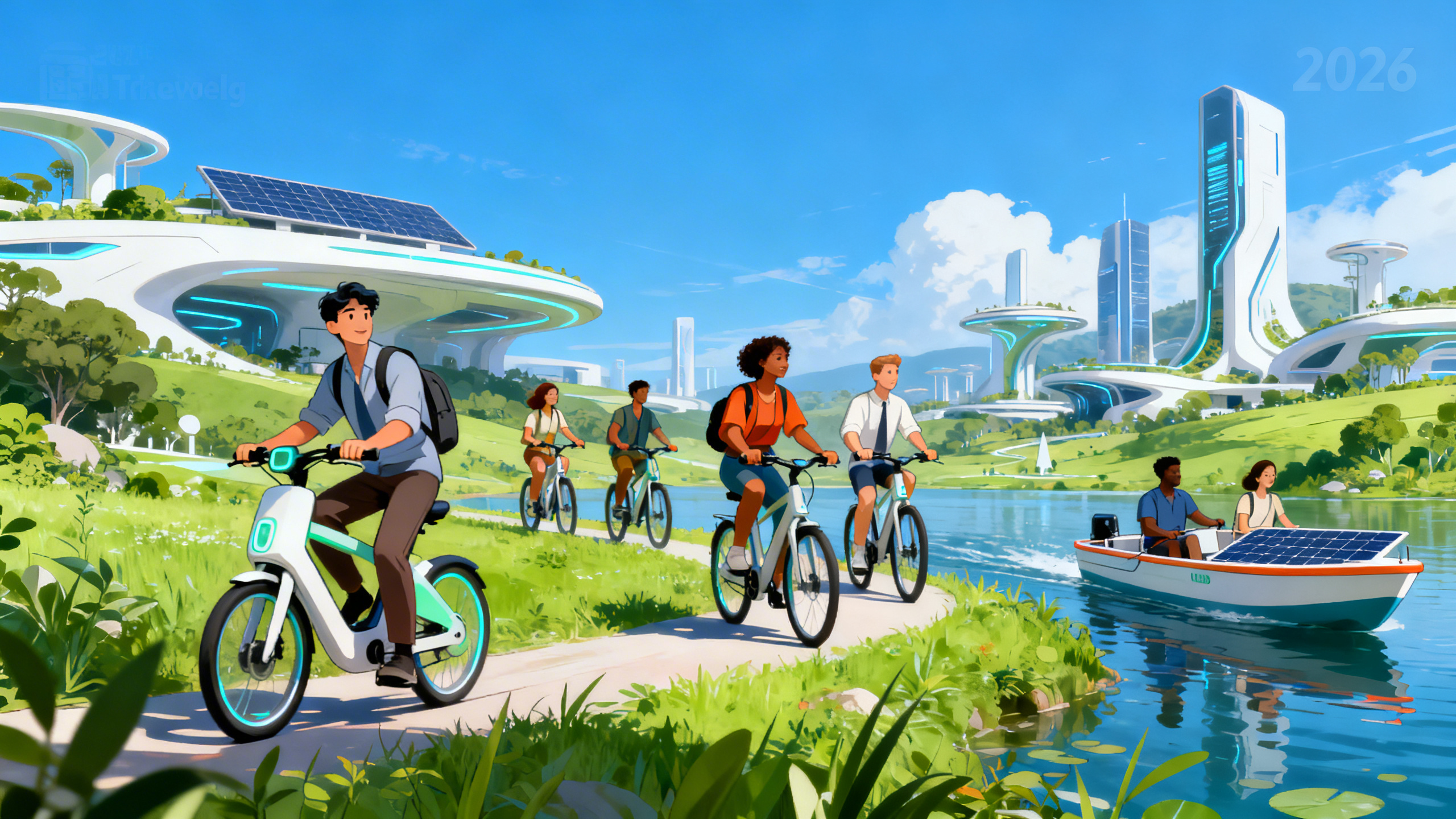
As we journey through 2026, the landscape of travel is evolving more dynamically than ever before. Modern travelers are not just seeking destinations; they’re craving experiences that resonate deeply and align with their values, especially around sustainability and authenticity. This year emphasizes meaningful and sustainable travel, transcending mere sightseeing to fostering genuine connections and environmental mindfulness.
In this blog post, we dive deep into the top travel trends of 2026, highlighting how travelers can embrace these shifts for fulfilling adventures that honor both the planet and its diverse cultures.
1. Prioritizing Slow Travel for Deeper Connections
Slow travel continues its rise as one of the most profound changes in how people explore the world. Instead of rushing through numerous tourist hotspots, travelers are dedicating more time in fewer places to truly absorb local customs, traditions, and everyday life. This mindful approach encourages cultural immersion, allowing for authentic experiences beyond surface-level interactions.
For instance, spending a week in a small Italian village attending cooking classes with locals or participating in community-led workshops in Southeast Asia offers unparalleled insights and bonds. This thoughtful pacing not only enriches the traveler’s journey but also reduces the carbon footprint by limiting frequent flights and transfers.
2. Sustainable and Eco-Friendly Accommodations
In 2026, eco-conscious accommodations are no longer niche but a travel mainstream demand. Infrastructure that embeds sustainability—be it through solar energy, water recycling, waste reduction, or supporting local communities—has garnered increased attention and preference. Many hotels and resorts now showcase certifications from reputable green tourism organizations, signaling their commitment to environmental care.
Travelers opting for eco-resorts in Costa Rica or treehouse stays in the Scandinavian wilderness exemplify how lodging choices can make a powerful impact. Beyond reducing environmental degradation, these accommodations often incorporate local architectural styles and materials, promoting preservation of cultural heritage.
3. Responsible Wildlife and Nature Experiences
Ethical wildlife tourism is front and center, urging travelers to seek interactions that prioritize animal welfare and habitat conservation. Tours focusing on observation rather than exploitation—such as whale watching with strict guidelines or visiting sanctuaries that rescue animals—are becoming the gold standard.
For example, safaris in Botswana now emphasize eco-friendly lodges and low-impact game drives, fostering conservation efforts while educating tourists. Moreover, travelers are encouraged to support organizations working behind the scenes to protect endangered species, making their participation meaningful and responsible.
4. Supporting Local Economies and Indigenous Cultures
One of the profound shifts in 2026 travel involves conscious efforts to uplift local economies and Indigenous communities. This manifests through patronizing family-run businesses, artisans, and community tourism initiatives that fairly share benefits.
A traveler visiting New Zealand might engage with Maori cultural tours co-created and led by Indigenous guides, offering respect and insight into their heritage. Similarly, choosing to buy handmade crafts directly from the makers in Morocco or Peru ensures authentic souvenirs and tangible support for these communities, nurturing sustainable economic growth without cultural appropriation.
5. Tech-Enhanced but Human-Focused Journeys
While technology plays an undeniable role in modern travel—streamlining bookings, navigation, and language translation—it’s also driving more personalized and meaningful experiences. AI-powered travel planning tools can help identify eco-friendly options and local hidden gems tailored to traveler interests.
Yet, the focus remains on human connection, with many apps facilitating meet-ups, cultural exchanges, or volunteering opportunities. Travelers are increasingly blending tech efficiency with genuine face-to-face interactions, striking a balance that enhances satisfaction and creates lasting memories.
Conclusion
2026 heralds a transformative era in travel, one driven by a desire not just to see the world but to experience it with intention, respect, and sustainability. Embracing slow travel, opting for eco-lodging, engaging in ethical wildlife encounters, supporting Indigenous and local economies, and integrating technology thoughtfully will shape travels that benefit both the traveler and the destination.
As you plan your next journey this year, remember that meaningful travel is a gift—to yourself, to the people you meet, and to the planet that hosts our adventures. The future of travel is bright and responsible; let’s explore it with heart and purpose.