
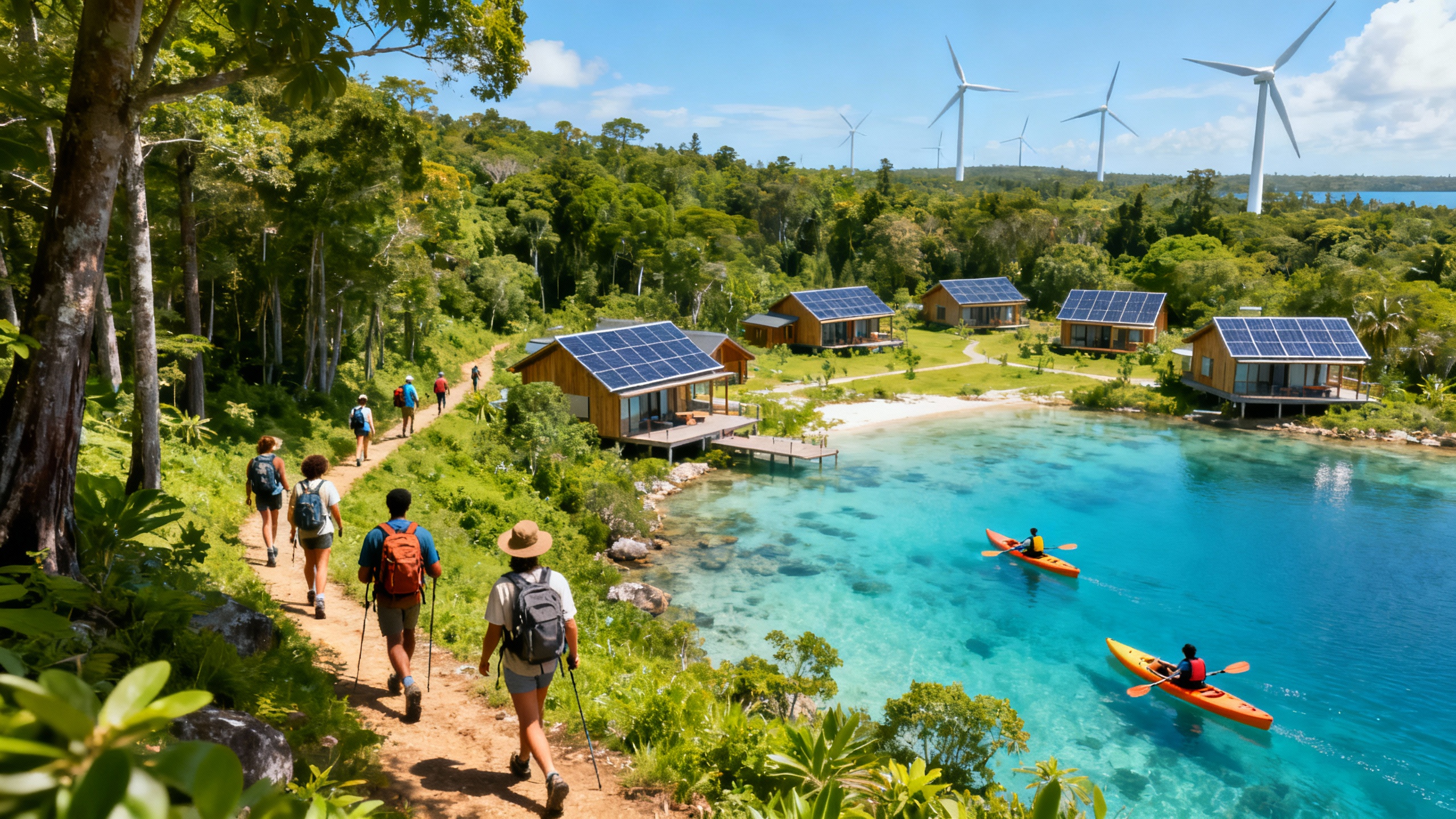
Embracing Sustainable Travel: Top Eco-Friendly Destinations in 2026
As the world becomes more conscious of environmental impacts, sustainable travel has emerged as a significant trend in 2026. Travelers are increasingly seeking destinations that prioritize ecological preservation, support local communities, and offer authentic experiences. Here are some top eco-friendly destinations to consider for your next journey:
Costa Rica: The Green Heart of Central America
Costa Rica has long been a leader in sustainable tourism, and in 2026, it continues to set the standard. The country is renowned for its rich biodiversity, with rainforests teeming with wildlife and pristine beaches that serve as nesting sites for sea turtles. Costa Rica’s commitment to sustainability is evident in its goal to achieve carbon neutrality by 2050. Regions like Nosara have embraced eco-friendly practices, with yoga retreats and surf camps powered by solar energy. Visitors can explore Monteverde’s misty cloud forests, encounter howler monkeys, or participate in sea turtle conservation projects along the Pacific coast. Staying in off-grid eco-lodges, such as Lapa Rios, allows travelers to immerse themselves in nature while supporting local conservation efforts. Visiting during the green season (May to November) offers vibrant scenery and fewer crowds, enhancing the sustainable travel experience.
Bhutan: The Carbon-Negative Kingdom
Bhutan stands out as the world’s only carbon-negative country, absorbing more CO₂ than it emits, thanks to vast forests covering 70% of its land. Tourism is regulated via a “high value, low impact” model, with a daily sustainable development fee funding free education and healthcare. Highlights include Paro Taktsang (Tiger’s Nest Monastery), a hike through pristine forests, and Punakha Dzong, showcasing Himalayan architecture. The Phobjikha Valley is ideal for black-necked crane watching in winter. Sustainable practices: All tours are guided, minimizing environmental impact. Stay in farmstays to experience organic farming. In 2026, Bhutan plans to enhance its electric transport infrastructure. This kingdom’s Gross National Happiness index prioritizes well-being over GDP, influencing global sustainability discussions.
Slovenia: Europe’s Green Capital
Slovenia has emerged as a top sustainable travel destination, earning recognition for its innovative green policies. By 2026, cities like Ljubljana are leading examples of eco-friendly urban tourism, with pedestrian-only zones, electric public transport, and zero-waste initiatives. The country’s Green Scheme certification program ensures that accommodations, restaurants, and attractions adhere to strict sustainability standards. Travelers can explore alpine landscapes, vineyards, and historical towns while supporting environmentally responsible practices. Slovenia’s holistic approach to green tourism makes it one of Europe’s standout sustainable destinations.
Iceland: Harnessing Geothermal Wonders
Iceland, the land of fire and ice, is powered by 100% renewable energy from geothermal and hydroelectric sources, setting a global standard for sustainability. Its dramatic landscapes—glaciers, geysers, and volcanoes—are protected through strict environmental policies, including limits on visitor numbers in sensitive areas. Must-see spots include the Golden Circle route, featuring Thingvellir National Park (a UNESCO site), Geysir geothermal area, and Gullfoss waterfall. The Blue Lagoon, a man-made spa fed by geothermal waters, exemplifies innovative reuse of natural resources. For adventure, hike in Vatnajökull National Park, Europe’s largest glacier, where guided tours emphasize leave-no-trace principles. Sustainable tips: Rent hybrid or electric cars, as Iceland aims for full EV adoption by 2030. Stay in eco-hotels like ION Adventure Hotel, which uses recycled materials. Offset your flight emissions through programs like the Icelandic Carbon Fund. In 2026, expect more solar-integrated facilities in remote areas.
New Zealand: Nature Lover’s Paradise
New Zealand’s best nature experiences aren’t left to chance. Booking systems for huts, campsites, and major trails help manage pressure and protect fragile ecosystems. For travelers chasing the best sustainable adventure travel, New Zealand proves that adventure tourism and conservation don’t have to compete. Multi-day hikes, sea kayaking, and alpine routes all benefit from careful regulation and strong visitor ethics (Department of Conservation). Walking and cycling track in the Botanic Gardens in Queenstown, New Zealand.
Kenya: The Eco-Safari Capital
Kenya remains a premier destination for safari tourism, and by 2026, it is redefining wildlife travel through community-led conservation. National parks and private conservancies are focusing on protecting endangered species while ensuring local communities benefit from tourism revenues. Travelers can participate in eco-safaris, where lodges are powered by solar energy and waste is minimized. This approach not only preserves wildlife but also supports the livelihoods of local communities, making Kenya a model for sustainable tourism in Africa.
Embracing sustainable travel not only enriches your travel experience but also contributes positively to the destinations you visit. By choosing eco-friendly destinations, you support conservation efforts, promote cultural preservation, and ensure that these beautiful places remain intact for future generations.
Remember, sustainable travel is about making mindful choices that reduce your environmental footprint and enhance the well-being of local communities. Whether it’s opting for eco-friendly accommodations, supporting local businesses, or respecting cultural traditions, every action counts in making your travel more sustainable.
Happy travels!