
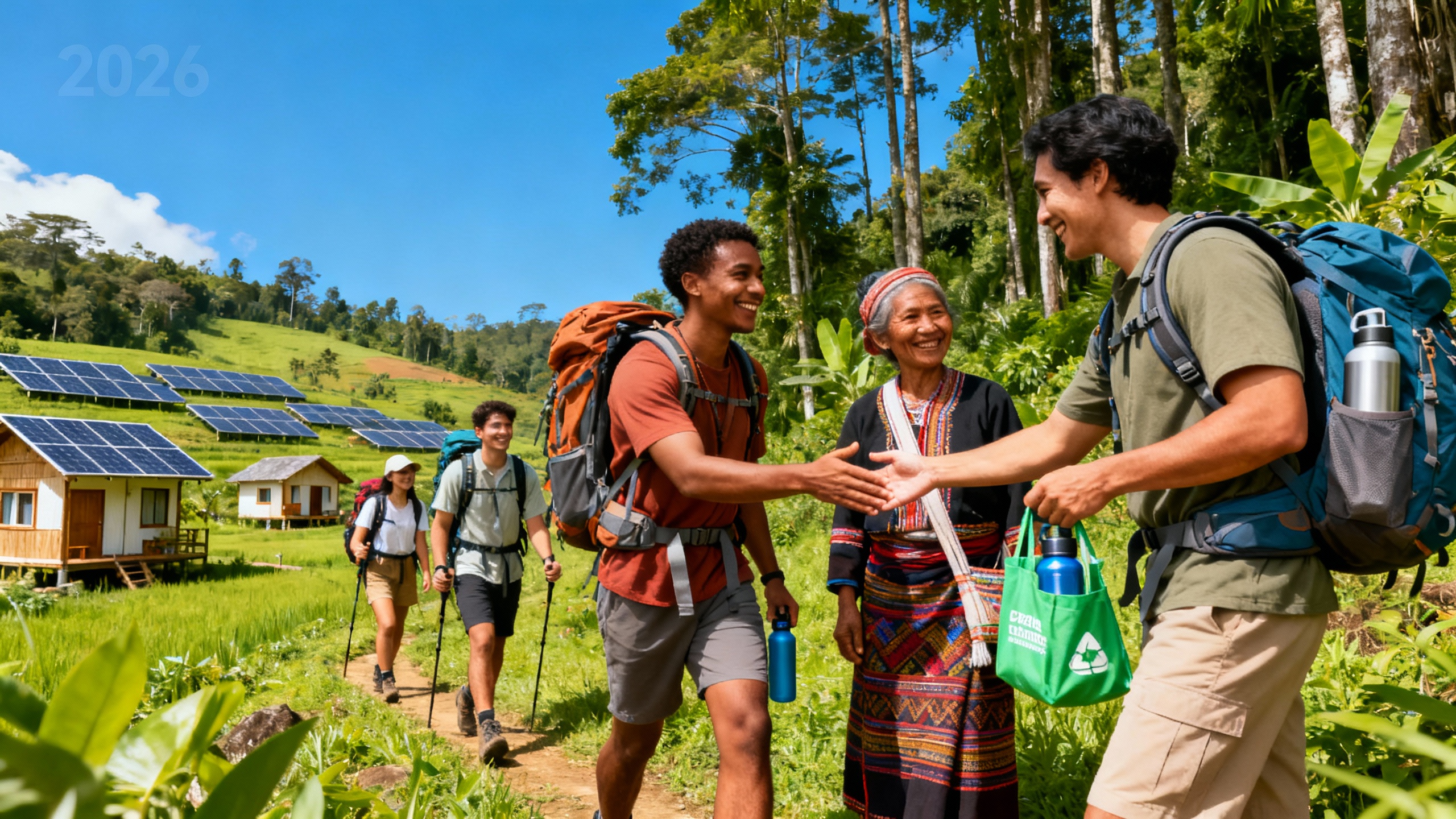
Why Sustainable Travel Matters More Than Ever in 2026
As we move further into 2026, the travel landscape is undergoing a profound transformation. More travelers are becoming acutely aware of the environmental impact of their journeys and the responsibility they carry toward preserving the destinations they love. Sustainable travel is no longer just a buzzword—it’s an essential approach that travelers, tour operators, and destinations themselves must adopt to ensure that future generations can enjoy the same wonders.
What precisely makes sustainable travel stand out in 2026 is the depth of commitment from both consumers and companies. Travelers seek experiences that minimize carbon footprints, conserve natural resources, and support local communities economically and culturally. Airlines are expanding their carbon offset programs, hotels are increasingly adopting green certifications, and destinations emphasize eco-friendly transportation and waste reduction strategies.
For instance, many travelers now prefer destinations that actively engage in conservation efforts, such as Costa Rica’s extensive rainforest preservation initiatives or Bhutan’s strict tourism policies that focus on low volume but high-quality visitors. These examples show how sustainable travel promotes a harmonious balance between tourism and nature.
The Rise of Authentic Travel Experiences in 2026
Beyond sustainability, authentic travel experiences are a key trend defining the travel ethos of 2026. Today’s travelers crave genuine, unfiltered cultural interactions and meaningful engagement with the people and places they visit. Authentic travel goes beyond visiting famous landmarks—it’s about immersing oneself in local traditions, cuisine, and lifestyles in respectful and enriching ways.
Take, for example, the growing popularity of community-based tourism. Travelers seek homestays in rural villages, guided tours led by local experts, and workshops where they can learn traditional crafts or cooking methods. This type of travel not only enriches the visitor’s journey but also empowers local hosts by providing direct economic benefits and preserving cultural heritage.
Moreover, authentic travel encourages slower travel—spending more time in fewer places to build deeper connections. UNESCO heritage sites like Luang Prabang in Laos or culturally rich cities such as Granada in Spain offer travelers opportunities to engage deeply with history, art, and traditions, fostering a richer travel narrative.
How to Practice Sustainable and Authentic Travel in 2026
Adopting sustainable and authentic travel habits requires conscious planning and mindful choices. First, prioritize eco-friendly accommodations that use renewable energy and have robust waste management systems. Platforms like Green Key or EarthCheck can guide travelers to certified green hotels.
Secondly, support local businesses by dining at locally-owned restaurants, shopping at artisan markets, and hiring local guides. This ensures that tourism dollars circulate within the community, promoting economic resilience. For example, choosing a local family-run guesthouse in the Amalfi Coast instead of a large chain hotel enriches your stay and benefits locals.
Lastly, travelers should be culturally sensitive—learning basic phrases in the local language, respecting customs and dress codes, and seeking to understand social etiquettes. This respectful engagement fosters genuine connections and ensures that tourism remains a positive influence.
Looking Ahead: The Impact of Sustainable and Authentic Travel
The vision for travel in 2026 and beyond is one where the journey leaves a positive footprint. Embracing sustainability and authenticity not only protects natural and cultural treasures but also enriches the traveler’s personal experience. This approach cultivates a stewardship mindset where travelers become ambassadors for the destinations they visit.
As more travelers adopt these principles, the industry responds with innovative solutions like carbon-neutral flights, regenerative tourism projects, and immersive cultural exchanges. These trends signal a future where travel nurtures the planet, uplifts communities, and creates unforgettable memories rooted in respect and responsibility.
In conclusion, embracing sustainable and authentic travel in 2026 means making choices that prioritize the planet, people, and genuine experiences. It challenges travelers to look beyond the surface and engage deeply with the world, ensuring that travel remains a force for good in an ever-changing global landscape.