
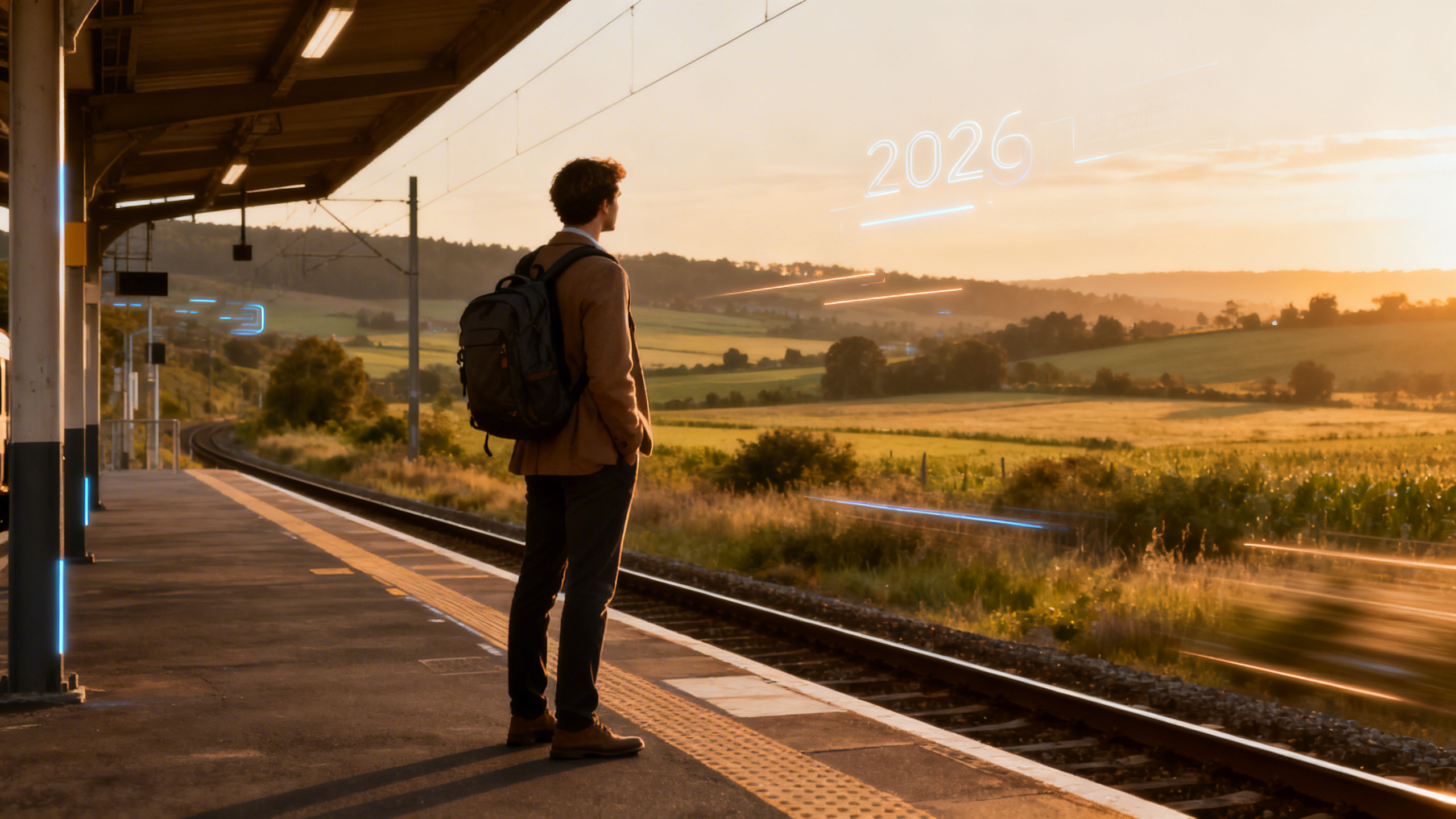
Why Slow Travel Matters More Than Ever
In an age dominated by fast-paced living and instant gratification, slow travel offers a refreshing counterbalance. Rather than rushing through landmarks and checking off tourist spots, slow travel emphasizes immersion, mindfulness, and genuine connection with the destination. In 2026, this approach resonates deeply against the backdrop of increasing travel saturation, environmental concerns, and the search for authentic experiences.
Slow travel is not merely about taking longer trips but about savoring the journey itself. It encourages travelers to step off the beaten path, engage with the local culture, and foster sustainable tourism practices. Cities and rural areas alike reveal stories and traditions best appreciated without haste, allowing travelers to form lasting memories that transcend fleeting snapshots.
For instance, spending a week in a small Italian village, learning to cook traditional recipes from locals, or taking part in community festivals can create more meaningful travel experiences than seeing multiple countries in a whirlwind tour. This deep engagement cultivates empathy, understanding, and a profound sense of place.
Planning Your Slow Travel Itinerary
The essence of slow travel lies in thoughtful planning that prioritizes quality over quantity. Begin by narrowing your destination choices to a few places that genuinely intrigue you. Research local customs, seasonal events, and sustainable accommodations that promote eco-friendly practices.
One practical example is choosing train travel or cycling over short-haul flights to minimize your carbon footprint and enjoy the scenic route. European countries like France and Switzerland are exceptional for train journeys, offering picturesque views and comfortable alternatives to air travel.
Accommodation is another critical factor. Opt for locally-owned guesthouses, homestays, or eco-lodges that contribute to the community’s economy and preserve local heritage. Such stays often come with opportunities to engage with hosts, participate in daily routines, and learn about the region’s unique lifestyle.
Experiencing Destinations Through Local Connections
Slow travel thrives on authentic interactions. Building local connections provides insights that no guidebook can offer. Attend workshops, craft classes, or storytelling nights to dive into the heart of the community.
For example, in Kyoto, Japan, travelers who participate in a tea ceremony with a local master often gain an enriched understanding of cultural values and aesthetics that define Japanese hospitality. Similarly, in Costa Rica, joining a community-led conservation project offers immersive experiences while supporting ecological preservation.
Volunteering and engaging in meaningful activities also enhance your travel narrative. These moments foster a sense of purpose and mutual respect between traveler and host, shaping a more responsible and fulfilling travel ethic.
Savoring the Moment: The Art of Mindfulness in Travel
Slow travel encourages mindfulness—a practice of being present and fully experiencing each moment without distraction. This mindful approach helps travelers absorb the subtle beauty of their surroundings, from the aroma of local spices to the rhythms of daily life.
Practical mindfulness during travel means taking unhurried walks through markets, lingering over meals to converse with chefs, or simply sitting quietly in natural settings to reflect and recharge. This practice transforms travel from a checklist activity into a profound personal journey.
Mindfulness also nurtures respect for the environment and local traditions. Recognizing the impact of your presence, slow travelers prioritize leaving minimal footprints and honoring cultural heritage, enhancing both personal satisfaction and global sustainability.
Benefits of Slow Travel in 2026
The benefits of slow travel extend beyond enriched experiences. According to recent studies, slow travel fosters mental well-being by reducing the stress and fatigue linked with rushed itineraries. It allows for deeper cultural understanding, which can break down stereotypes and promote global empathy.
Moreover, slow travel supports local economies more effectively by channeling tourism dollars into small businesses rather than large international chains. This effect is vital in a post-pandemic world, where many communities rely heavily on sustainable tourism for recovery.
In 2026, as more travelers seek to minimize ecological footprints and prioritize responsible tourism, slow travel aligns perfectly with these values. It offers a path to explore the world thoughtfully, leaving both traveler and destination enriched and respected.
Final Thoughts: Transforming Travel Into a Journey of Discovery
Embracing slow travel in 2026 means choosing depth over speed, connection over convenience, and mindfulness over mindlessness. It is a revolutionary way to experience the world that benefits both traveler and host communities alike.
So next time you plan a trip, consider slowing down. Immerse yourself in local cultures, prioritize sustainable choices, and savor every moment. In doing so, your travels will become more than a visit—they will become a meaningful journey that transforms how you see the world and yourself.