
Introduction to Sumba: Indonesia’s Enchanting Secret
In the vast archipelago of Indonesia, where Bali and Jakarta often steal the spotlight, lies Sumba — an island that has quietly preserved its raw, captivating beauty and rich cultural heritage. For travelers seeking an immersive and less commercialized experience in 2026, Sumba offers an alluring escape. This untouched paradise combines pristine beaches, unique tribal traditions, and breathtaking natural landscapes that promise an unforgettable journey.
Understanding Sumba’s appeal requires stepping beyond typical tourist trails to experience its authentic charm firsthand. Its remote location has helped maintain traditional practices that date back centuries, making it a rare place where visitors can genuinely connect with local culture amidst spectacular scenery.
The Natural Wonders of Sumba
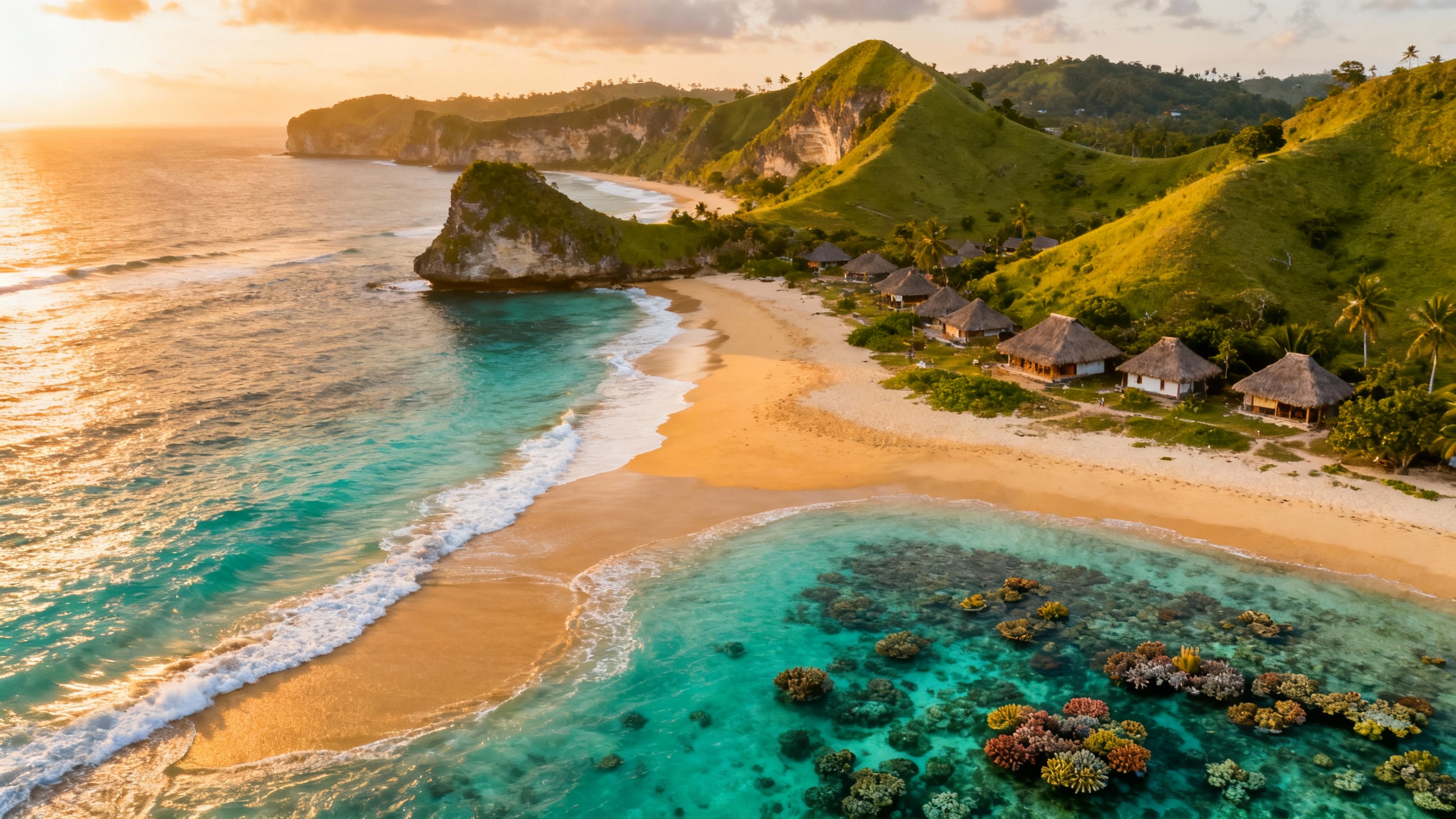
Sumba is renowned for its stunning coastline dotted with pristine beaches that rival more popular destinations but without the crowds. One standout example is Nihiwatu Beach, frequently celebrated as one of the world’s best beaches for surfers and sun seekers alike. Its crystal-clear turquoise waters and dramatic cliffs provide a stunning backdrop for relaxation and adventure.
Beyond the coasts, the island boasts lush savannahs and dense forests rich in biodiversity. Visitors can explore verdant valleys, cascading waterfalls like Tanggedu Waterfall — the tallest on the island — and unique limestone hills. This diversity in landscapes caters not only to beach lovers but also to hikers and nature enthusiasts looking to engage with Indonesia’s ecological treasures deeply.
Cultural Richness and Traditions
Sumba’s cultural heritage is deeply rooted in megalithic traditions, which are preserved through elaborate ceremonies and striking ancient architecture. Villages such as Waikelo Sawah showcase traditional thatched-roof houses and stone tombs that tell stories of Sumba’s ancestors. These living cultural sites allow travelers to experience the island’s deep spiritual connections and respect for heritage.
One of the most captivating aspects of Sumba’s culture is the Pasola Festival, an ancient horseback battle ritual performed in early 2026 that attracts cultural enthusiasts from around the globe. This festival not only serves as a symbolic harvest celebration but also highlights the islanders’ bravery, skill, and communal spirit, all of which visitors can witness with respectful participation.
Responsible Tourism and Eco-friendly Stays
Sumba has consciously embraced sustainable tourism practices to protect its natural and cultural assets. Many accommodations prioritize eco-friendliness, using locally sourced materials and supporting community projects. Resorts like Nihi Sumba have gained international acclaim for their commitment to conservation and meaningful community engagement, offering guests luxury combined with a purpose-driven stay.
Travelers eager to make a positive impact can choose guided tours that empower local tribes and promote environmental stewardship. These initiatives help preserve Sumba’s beauty and traditions, ensuring that tourism benefits both visitors and residents alike.
Practical Tips for Visiting Sumba in 2026
Getting to Sumba typically involves a flight from Bali or Jakarta, making it a bit off the beaten path but well worth the journey. The island’s infrastructure is steadily improving, yet its remoteness means travelers should prepare for limited connectivity and rustic conditions in some areas, enhancing the adventure rather than detracting from it.
Travelers are advised to respect local customs, dress modestly when visiting villages, and support local artisans by purchasing handcrafted goods. These actions not only enrich the travel experience but also foster mutual respect between visitors and the host community.
Conclusion: Why You Should Put Sumba on Your 2026 Travel List
Sumba stands out as a hidden gem not only for its breathtaking natural beauty but also for its authentic cultural experiences and commitment to sustainable tourism. For the 2026 traveler looking to escape overwhelming crowds and mass tourism, Sumba offers an inspiring alternative — a place to unwind, connect with unique traditions, and explore Indonesia’s diverse landscapes in a more meaningful way.
Whether you’re chasing epic waves, seeking cultural depth, or yearning for unspoiled tranquility, Sumba promises an enriching and memorable journey that will leave you longing to return.