
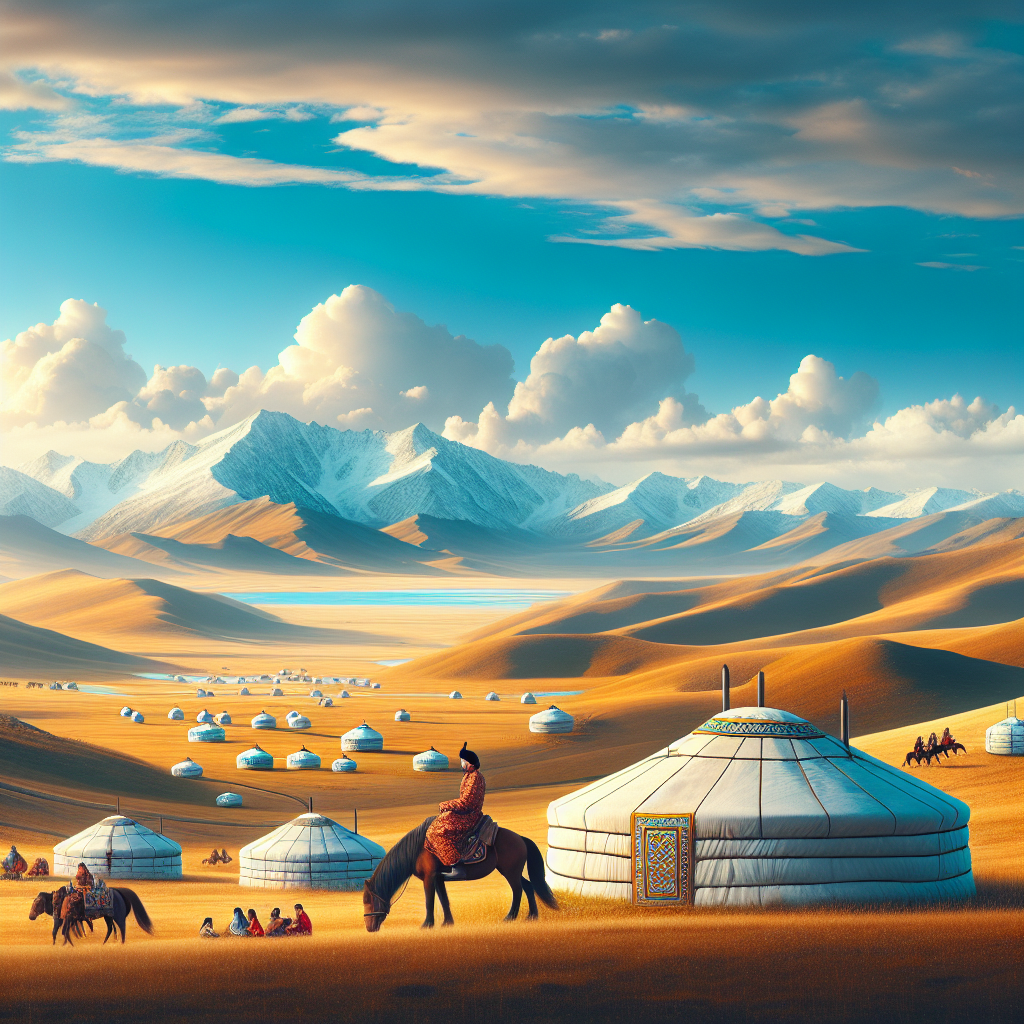
Discover Mongolia’s Majestic Landscapes and Rich Cultural Heritage
Embarking on a journey through Mongolia offers an unparalleled experience, where vast steppes meet towering mountains, and ancient traditions blend seamlessly with modern life. This landlocked nation in East Asia is renowned for its breathtaking natural beauty and deep-rooted cultural heritage, making it a must-visit destination for travelers seeking adventure and authenticity.
Majestic Landscapes: From Steppes to Deserts
Mongolia’s diverse landscapes are a testament to nature’s artistry. The expansive steppes, covering approximately 43% of the country, are home to the iconic Mongolian gazelle and serve as the backdrop for the traditional nomadic lifestyle. These grasslands are not only ecologically significant but also culturally vital, supporting the livelihoods of herders and their families.
To the south lies the Gobi Desert, a vast arid region that has captivated explorers and scientists alike. The Gobi is not just a barren wasteland; it’s a treasure trove of paleontological sites, including the Tsav Dinosaur Track Site, which features 18,000 dinosaur footprints dating back 145 million years. This site, along with the Khanbogd massif—a geological marvel composed of Permian-aged alkaline granite formations—offers a glimpse into the ancient past of the planet.
Mountain Majesties: Sacred Peaks and Natural Wonders
The Khentii Mountains in northeastern Mongolia are home to Burkhan Khaldun, a peak of profound historical and spiritual significance. Rising to 2,362 meters, this mountain is believed to be the birthplace of Genghis Khan and holds a sacred status among Mongolians. The surrounding landscape, part of the Khan Khentii Strictly Protected Area, is a UNESCO World Heritage Site, recognized for its unique biodiversity and cultural importance.
Another notable peak is Bogd Khan Mountain, located just south of the capital, Ulaanbaatar. Standing at 2,261 meters, it offers panoramic views of the city and is part of the Bogd Khan Uul Biosphere Reserve. This area is not only a natural haven but also a cultural landmark, with historical sites and religious monuments dotting its slopes.
Cultural Heritage: A Tapestry of Traditions
Mongolia’s cultural heritage is as rich and varied as its landscapes. The Orkhon Valley Cultural Landscape, a UNESCO World Heritage Site, encompasses an extensive area of pastureland along the Orkhon River. This region is dotted with archaeological remains dating back to the 6th century, including the ancient capital of Kharkhorum, which flourished during the 13th and 14th centuries.
The Petroglyphic Complexes of the Mongolian Altai provide a window into the prehistoric era, with rock carvings and funerary monuments illustrating the development of culture over a period of 12,000 years. These sites reflect a time when the area was partly covered by glaciers, offering insights into the early human presence in the region.
In 2025, Mongolia was elected to the UNESCO World Heritage Committee for the 2025–2029 term, marking a significant milestone in the country’s commitment to preserving its cultural and natural heritage. This election underscores Mongolia’s active role in the international community and its dedication to safeguarding its rich history for future generations.
Preserving Heritage Amidst Climate Change
Recognizing the challenges posed by climate change, Mongolia has undertaken initiatives to protect its heritage sites. The “Empowering Mongolia by Building Resilience Against Climate Emergencies (EMBRACE)” project, launched in 2024, aims to link heritage protection with climate action and disaster risk reduction. This initiative has inspired a new generation of cultural professionals, researchers, and communities to collaborate in safeguarding Mongolia’s tangible and intangible heritage.
Through workshops, field missions, and policy consultations, the project has brought together government agencies, researchers, herders, and local officials to explore how traditional knowledge can strengthen resilience and how science can help preserve cultural heritage for future generations. This holistic approach ensures that Mongolia’s rich cultural tapestry endures amidst the challenges of a changing climate.
Planning Your Visit: When to Go
When planning a trip to Mongolia, it’s essential to consider the climate. The country experiences extreme temperatures, with winters being particularly harsh. For instance, in Ulaanbaatar, temperatures can plummet to -35°F (-37°C) in January. Therefore, the best time to visit is during the summer months, from June to August, when temperatures are milder, and the landscapes are lush and vibrant.
During this period, travelers can partake in various cultural festivals, such as the Naadam Festival, which celebrates the “Three Manly Games” of wrestling, archery, and horse racing. This festival offers a unique opportunity to immerse oneself in Mongolian traditions and witness the country’s rich cultural heritage firsthand.
Conclusion: A Journey Through Time and Nature
Mongolia stands as a testament to the resilience of nature and the enduring spirit of its people. Its landscapes, from the vast steppes to the towering mountains, offer a backdrop to a rich cultural heritage that spans millennia. By visiting Mongolia, travelers embark on a journey through time and nature, experiencing a land where ancient traditions and natural wonders coexist harmoniously.
Whether you’re an adventure seeker, a history enthusiast, or someone looking to connect with a unique culture, Mongolia promises an unforgettable experience that will leave you with lasting memories and a deep appreciation for this enchanting land.
Note: This article was last updated on January 20, 2026. For the most current information, please refer to official sources and local advisories before planning your visit.