
Introduction to Mongolia’s Unique Allure
Mongolia, a country where vast steppes meet breathtaking mountains, offers an unparalleled adventure for travelers seeking raw nature and rich cultural experiences. Known for its nomadic heritage and untouched landscapes, Mongolia is often described as enigmatic due to its mysterious allure and the deep-rooted traditions that have been preserved for centuries. As of 2026, this destination continues to captivate explorers with its tranquil beauty and vibrant culture that is vastly different from typical tourist hotspots.
The vastness of Mongolia’s terrain is one of its defining characteristics, spanning deserts, grasslands, and rugged mountain ranges. This expansive geography provides travelers ample opportunities for adventure, from horseback riding across the steppe to exploring the Gobi Desert’s incredible dunes and ancient fossils. Mongolia remains largely unspoiled, offering a rare chance for deeper communion with nature and indigenous cultures.
Experiencing Mongolia’s Natural Wonders
One cannot discuss Mongolia’s beauty without mentioning the Gobi Desert, an iconic symbol of the country’s diverse ecosystem. This desert is not just sand dunes but features rugged cliffs, rare wildlife such as the Bactrian camel, and even dinosaur fossil sites. Exploring the Gobi provides a tangible connection to Earth’s prehistoric past alongside the present-day wilderness.
Mongolia’s pristine lakes and mountain ranges form another vital part of its charm. Lake Khövsgöl, often called the ‘Blue Pearl of Mongolia,’ is a stunning glacier-fed lake surrounded by dense forests and mountains, renowned for crystal-clear waters and opportunities for hiking, kayaking, and horse trekking. Similarly, the Altai Mountains in western Mongolia offer dramatic landscapes and are home to the Kazakh eagle hunters, a centuries-old tradition that can be witnessed firsthand during dedicated tours.
Immersing in Mongolia’s Nomadic Culture
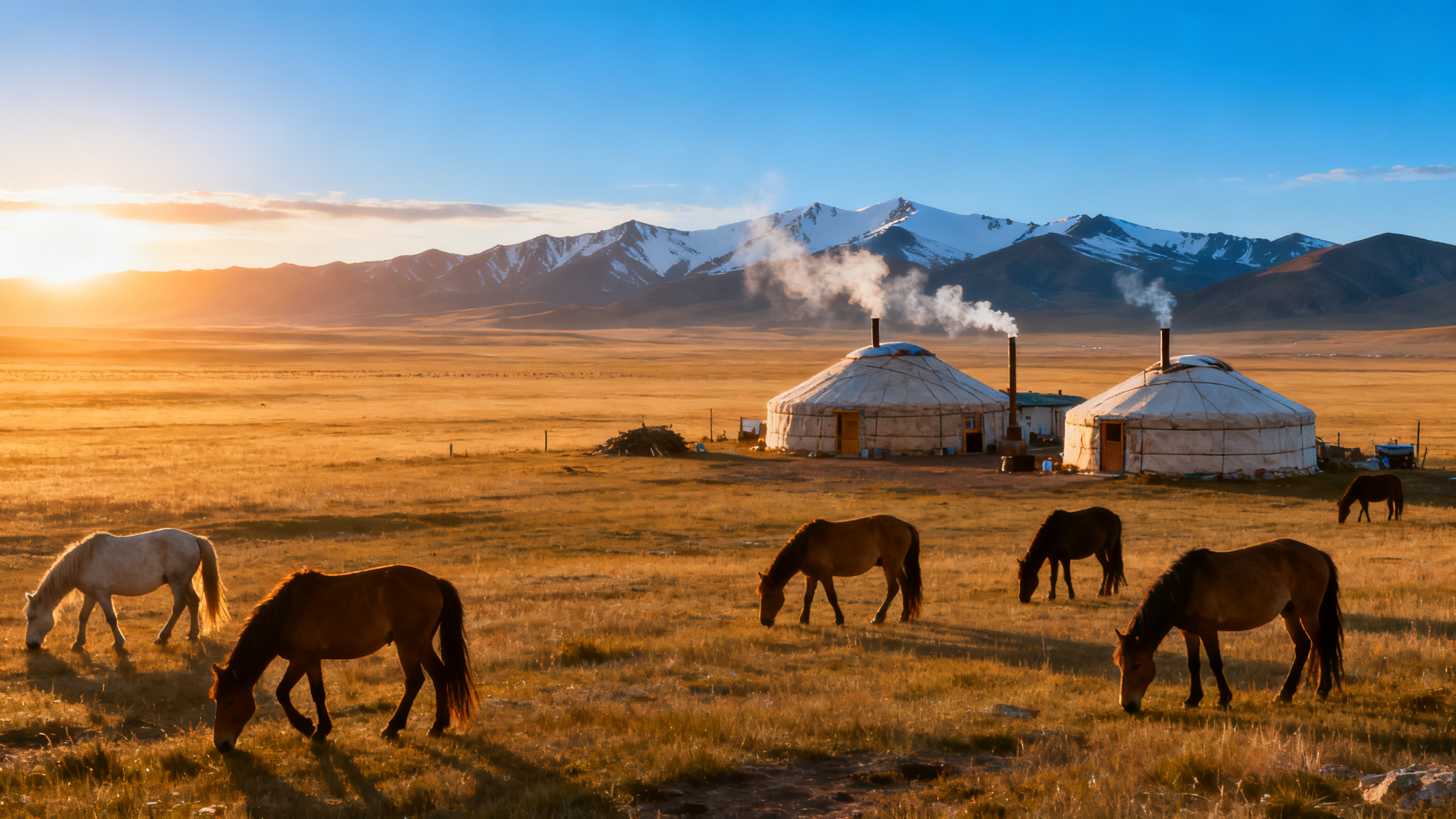
Mongolia’s enigmatic beauty is incomplete without appreciating its nomadic culture that continues to thrive despite modern influences. Living in traditional gers (yurts), Mongolian nomads maintain a lifestyle closely connected to the land and animals, especially horses and livestock, which are integral to their survival and identity. Travelers can stay with nomadic families, gaining insight into their daily routines, customs, and hospitality.
Festivals such as Naadam, held every summer, showcase Mongolian culture through traditional sports like wrestling, horse racing, and archery. This event provides visitors with a vibrant, authentic experience filled with local folklore, music, and cuisine. Exploring local markets and artisanal craft shops also offers a deeper understanding of the Mongolian way of life and its unique artistic expressions.
Practical Tips for Travelers
Traveling to Mongolia requires thoughtful preparation due to its remote and sometimes harsh environment. The best time to visit is from late May to early September when the weather is milder and the roads are more accessible. Mongolia’s infrastructure is improving, but travelers should be prepared for long drives, often on unpaved roads, especially when venturing outside Ulaanbaatar, the capital.
Language barriers exist but are manageable with local guides who share rich cultural knowledge and facilitate meaningful interactions. Additionally, respecting local customs and the environment is crucial to preserving Mongolia’s authenticity. Sustainable tourism practices such as minimizing waste and supporting local businesses enhance both traveler experience and local communities.
Conclusion: Why Mongolia Should Be on Your Travel List in 2026
Mongolia stands out as a destination that offers more than just scenic landscapes; it presents an immersive journey into a world that balances tradition and nature like few other places on Earth. Whether you are an adventure seeker, a cultural enthusiast, or someone desiring solitude in vast open spaces, Mongolia invites you to discover its enigmatic beauty. In 2026, with increasing accessibility and sustainable tourism growth, there has never been a better time to embark on this unforgettable journey.