
Introduction: Why Japan is a Must-Visit for Culture and History Enthusiasts
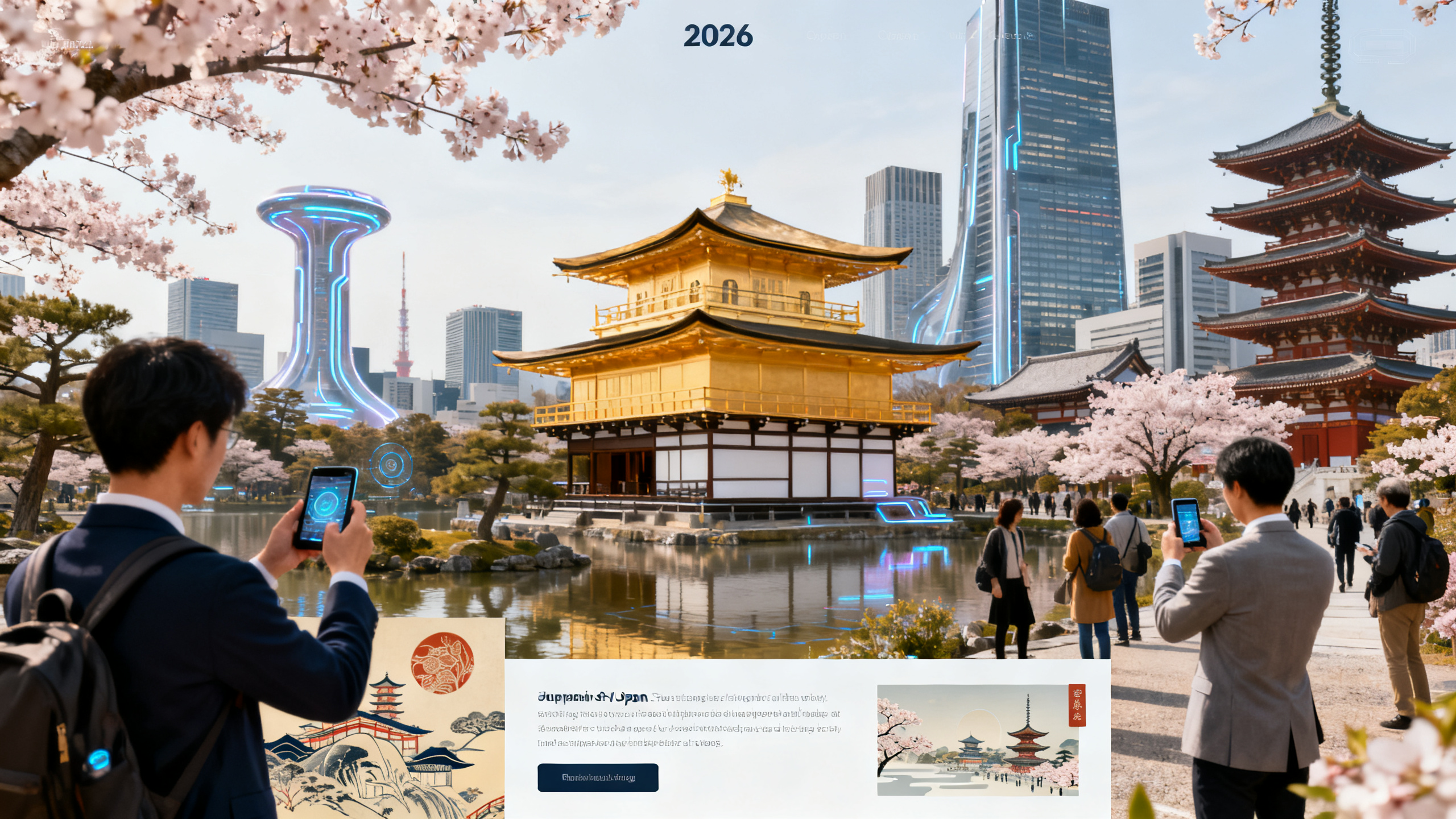
Japan, a country where centuries of tradition coexist harmoniously with cutting-edge modernity, remains one of the world’s most captivating travel destinations. In 2026, Japan continues to offer travelers an unparalleled cultural and historical experience that is both immersive and deeply enriching. From ancient temples and traditional tea houses to historic castles and vibrant festivals, Japan’s cultural heritage is vast and diverse, reflecting its unique journey through time.
Whether you are a history buff fascinated by samurai lore or a cultural explorer eager to witness age-old rituals, Japan’s top destinations provide a profound window into its soul. This blog post dives deep into Japan’s most remarkable cultural and historical spots you shouldn’t miss in 2026, highlighting key insights and practical tips for every traveler.
Kyoto: The Heartbeat of Traditional Japan
Kyoto is arguably Japan’s cultural capital, boasting over 1,600 Buddhist temples, numerous Shinto shrines, and exquisite traditional gardens. Walking through its historic districts like Gion and Higashiyama is like stepping back in time — geishas in vibrant kimonos, wooden machiya townhouses, and tranquil bamboo groves paint a serene picture of classical Japan.
In 2026, Kyoto continues to preserve its heritage while embracing sustainable tourism. For example, the iconic Kinkaku-ji (Golden Pavilion) gleams in serene reflection on its pond, while the Fushimi Inari Shrine’s endless red torii gates invite visitors on a spiritual journey up Mount Inari. Kyoto’s traditional tea ceremonies offer an authentic taste of Japan’s deep-rooted tea culture, especially when hosted by seasoned tea masters in centuries-old tea houses.
Hiroshima: A City of Resilience and Peace
Hiroshima’s historical significance is profound, having experienced the devastation of World War II’s atomic bombing. Today, the city stands as a beacon of peace and resilience. The Hiroshima Peace Memorial Park and its Genbaku Dome are poignant reminders of the past and powerful symbols of hope for future generations.
For 2026 visitors, Hiroshima offers more than just memorials. The nearby Itsukushima Shrine on Miyajima Island is a UNESCO World Heritage site famous for its “floating” torii gate. The vibrant local culture, including Hiroshima-style okonomiyaki (a savory pancake), gives visitors both a historical and sensory experience that is deeply moving and memorable.
Nara: Japan’s Ancient Capital and Cradle of Buddhism
Nara, Japan’s first permanent capital established in 710 AD, is a treasure trove of ancient architecture and religious art. Home to Todai-ji Temple, housing the giant Great Buddha statue, and Kasuga Taisha Shrine with its hundreds of stone lanterns, Nara delivers a rich historical tapestry that reveals Japan’s early spiritual roots.
Visitors in 2026 will appreciate Nara not only for its historical sites but also for its peaceful parks where friendly deer roam freely, creating a unique connection between nature and history. The ongoing preservation efforts ensure that Nara’s heritage remains intact for generations to come, offering an authentic glimpse into the past.
Kanazawa: The Jewel of Edo-Period Culture
Kanazawa has emerged as a standout destination for experiencing Edo-period culture without the tourist crowds of Kyoto. Known for its well-preserved samurai and geisha districts like Nagamachi and Higashi Chaya, Kanazawa offers in-depth cultural immersion through craftsmanship and culinary delights.
In 2026, tourists can explore the stunning Kenroku-en Garden, considered one of Japan’s three most beautiful gardens, and visit art museums that celebrate Kanazawa’s rich legacy of gold leaf production and ceramics. Kanazawa’s blend of art, history, and traditional living makes it a perfect destination for travelers keen on authentic cultural discovery.
Tips for Experiencing Japan’s Cultural and Historical Destinations in 2026
To make the most out of your cultural explorations in Japan, consider timing your visits to coincide with traditional festivals such as Kyoto’s Gion Matsuri or Nara’s Omizutori Festival. Engaging local guides who specialize in history can greatly enrich your understanding of the sites. Additionally, respecting local customs and etiquette—such as bowing, removing shoes at temples, and speaking softly in sacred spaces—enhances your experience and respect for Japanese culture.
Transportation has also improved, with efficient rail networks like the Shinkansen connecting major cultural hubs conveniently. Staying in traditional ryokans (inns) offers an immersive experience of Japan’s hospitality, including tatami mat rooms, kaiseki meals, and onsen baths.
Conclusion: Embrace Japan’s Timeless Charm in 2026
Japan in 2026 remains a captivating destination where history and culture breathe through every corner of its cities and towns. From the ancient temples of Kyoto and Nara to the resilient spirit of Hiroshima and the artistic depth of Kanazawa, there is a timeless charm that beckons travelers year after year. By delving deep into these destinations, travelers not only witness history but also connect with the enduring spirit of Japan.
Plan your journey thoughtfully and open your heart to the myriad stories Japan has to offer. This cultural odyssey will not only enrich your travel memories but also provide profound insights into a culture that balances tradition and modernity with elegance and grace.