
Introduction to Japan’s Travel Landscape in 2026
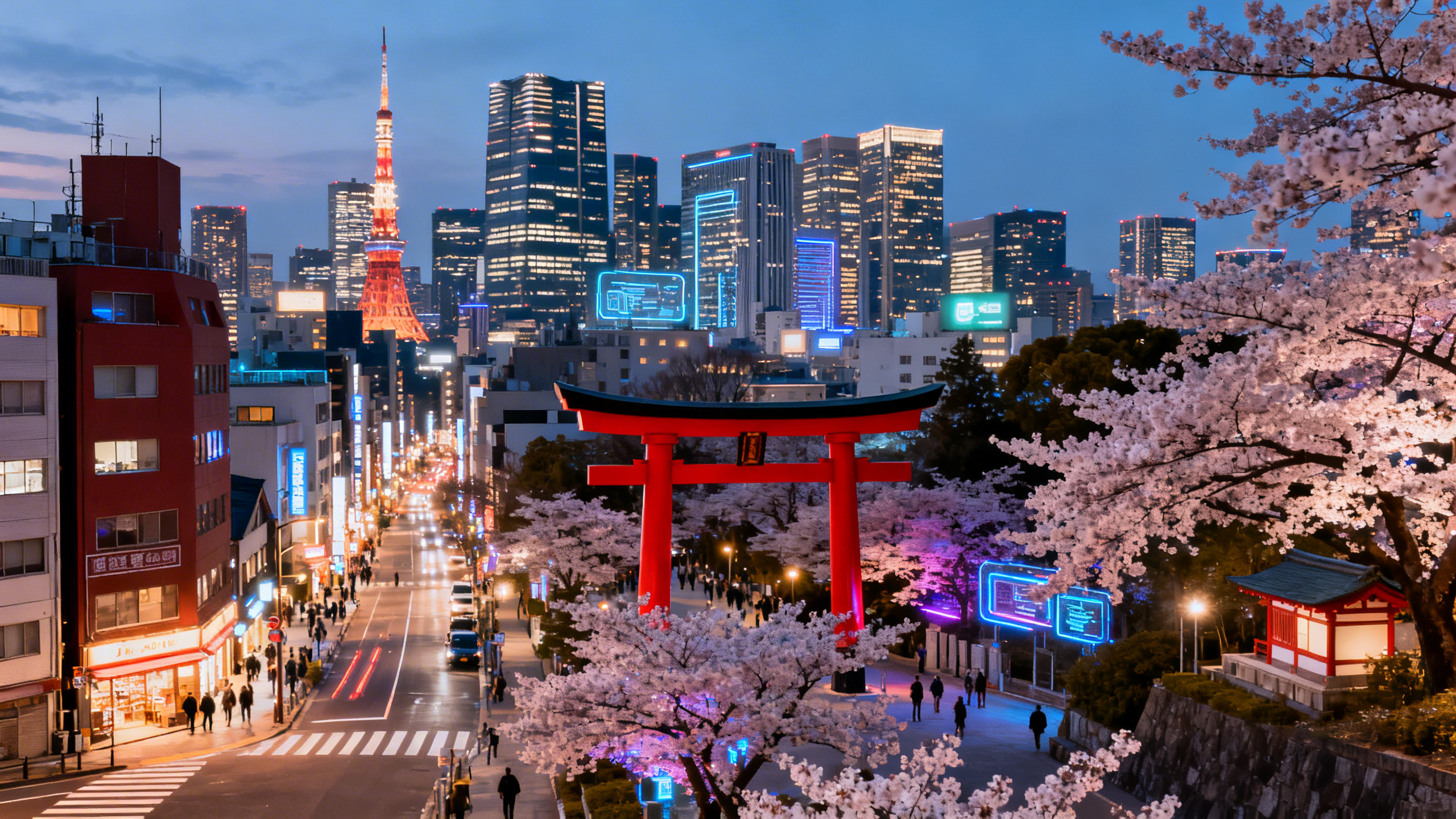
Japan continues to captivate travelers from around the world with its unique blend of ancient traditions and cutting-edge modernity. In 2026, the Land of the Rising Sun is more accessible and exhilarating than ever, with improved infrastructure, sustainable travel options, and culturally immersive experiences awaiting visitors. Whether you’re a first-time visitor or a seasoned traveler, exploring Japan’s top destinations in 2026 promises unforgettable moments filled with rich history, dazzling natural beauty, and world-class hospitality.
From the bustling streets of Tokyo to the serene temples of Kyoto, Japan offers an array of travel experiences that cater to all interests and travel styles. The nation’s commitment to preserving its heritage while embracing innovation ensures that every journey through its cities and countryside is deeply rewarding and authentic.
Tokyo: A Dynamic Metropolis of Tradition and Innovation
As Japan’s capital city, Tokyo is a vibrant mix of cutting-edge technology, fashion, and cultural heritage. In 2026, Tokyo continues to evolve with new attractions such as state-of-the-art museums, sustainable urban projects, and sprawling green spaces integrating seamlessly with the cityscape. Visitors can explore iconic landmarks like the historic Asakusa district and the bustling Shibuya Crossing, while also experiencing the latest in digital art exhibitions at teamLab Planets.
Tokyo’s diverse neighborhoods offer specialized experiences; for example, the Akihabara district remains a haven for tech enthusiasts and anime fans, while neighborhoods like Nakameguro and Daikanyama provide trendy cafés, boutique shopping, and cherry blossom promenades. Planning visits around seasonal festivals, like the Sumida River Fireworks Festival or the cherry blossom season in April, allows travelers to engage deeply with Tokyo’s cultural spirit.
Kyoto: The Heart of Japan’s Historical and Cultural Heritage
Kyoto remains a top destination for those seeking a glimpse into Japan’s imperial past and spiritual traditions. In 2026, extensive restoration projects have enhanced access to Japan’s famous temples, shrines, and traditional teahouses without compromising their authenticity. The picturesque Arashiyama Bamboo Grove and the golden Kinkaku-ji (Golden Pavilion) are perennial favorites, drawing visitors into a world of tranquility and timeless beauty.
Kyoto also offers immersive cultural experiences such as tea ceremonies, kimono rentals, and traditional craft workshops. Its vibrant culinary scene features kaiseki dining, highlighting seasonal and regional ingredients. Exploring Kyoto’s historic districts—like Gion with its geisha culture—provides travelers with both historical insight and enchanting sightings, especially during the autumn foliage season when the streets are ablaze with color.
Hokkaido: A Natural Wonderland Year-Round
For nature lovers and adventure seekers, Hokkaido offers breathtaking landscapes and outdoor activities throughout the year. 2026 travelers will appreciate enhanced eco-tourism infrastructure supporting sustainable visits to national parks like Daisetsuzan and Shiretoko. Winter brings world-renowned powder snow ideal for skiing and snowboarding in Niseko, while summer provides vibrant flower fields in Furano and hiking opportunities across mountainous terrain.
Hokkaido also boasts a rich indigenous Ainu culture, which travelers can learn about through guided tours, museums, and cultural performances. Sampling fresh seafood, particularly at famous markets like Sapporo’s Nijo Market, enriches the travel experience with authentic regional flavors. Enhanced accessibility via new train routes and airports makes reaching this northern gem easier than ever.
Okinawa: Tropical Paradise with Unique Heritage
Okinawa is synonymous with stunning turquoise waters, coral reefs, and a deeply unique cultural identity distinct from mainland Japan. In 2026, this tropical paradise balances tourism with environmental conservation, offering pristine beaches and vibrant underwater ecosystems for snorkeling and diving enthusiasts. The island’s historical sites, such as Shurijo Castle, showcase Okinawa’s Ryukyu Kingdom heritage, providing cultural depth beyond its natural beauty.
Visitors can explore Okinawa’s local arts, music, and cuisine, blending Japanese influences with indigenous traditions. Efforts to preserve Okinawan crafts like pottery and textiles foster meaningful souvenir hunting and cultural appreciation. Whether relaxing on the beach or attending traditional music festivals, travelers find Okinawa an enchanting escape with a welcoming atmosphere.
Practical Tips for Traveling Japan in 2026
Travelers planning their 2026 trip to Japan should consider booking accommodations and transportation early, especially during peak seasons such as cherry blossom and autumn foliage periods. Utilizing Japan’s efficient rail system, including the expanding Shinkansen network, enables smooth travel between regions while reducing environmental impact.
Embracing local customs, such as bowing, removing shoes indoors, and learning basic Japanese greetings, enhances interactions and reflects respect for Japanese culture. Travelers should also explore regional specialties, seasonal festivals, and off-the-beaten-path destinations to maximize their cultural immersion and enjoyment.
Conclusion: Embrace the Magic of Japan in 2026
Japan in 2026 offers a travel experience that is as rich and varied as its history and landscapes. From bustling urban hubs to serene natural retreats, each destination invites visitors to discover its unique story and charm. Whether it’s your first visit or a return journey, Japan’s top travel destinations promise memories filled with awe, inspiration, and connection. Prepare to be captivated by the perfect harmony of tradition and innovation that defines this remarkable country.