
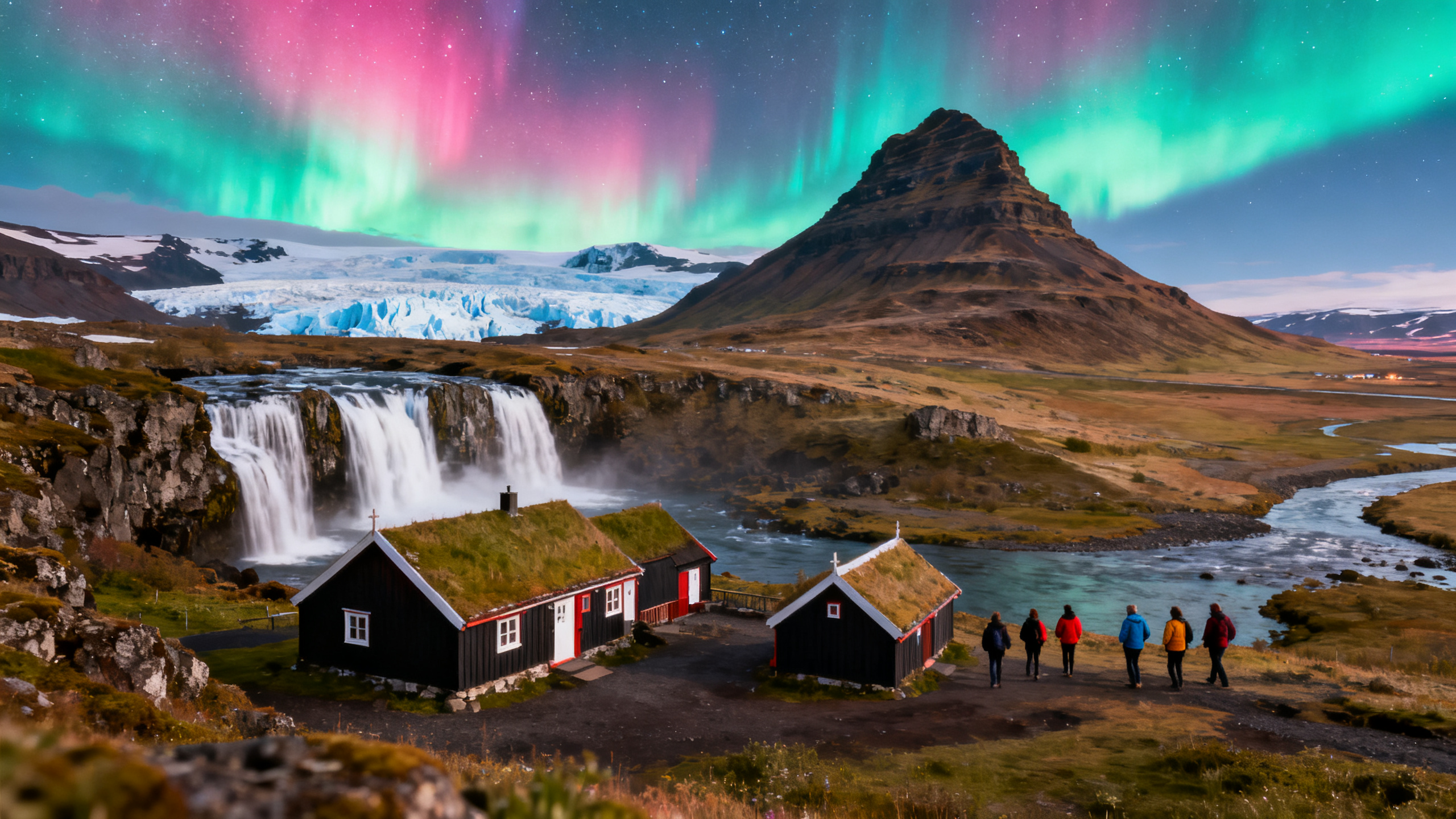
Introduction to Iceland’s Magical Allure
Iceland, known as the land of fire and ice, offers a blend of stunning natural wonders and a deeply rooted cultural heritage that captivates every traveler. From its sweeping glaciers to its booming volcanic activity, Iceland’s landscapes seem almost otherworldly. But beyond the dramatic scenery lies a rich cultural tapestry shaped by centuries of Viking history, folklore, and a resilient, innovative population.
Visiting Iceland in 2026 means encountering these elements up close while benefiting from improved travel infrastructure and eco-friendly tourism initiatives, making it a responsible destination choice for nature lovers and culture enthusiasts alike.
Breathtaking Landscapes That Tell a Story
Iceland’s landscapes are a mosaic of contrasts. Picture the vast ice caps of Vatnajökull, Europe’s largest glacier, stretching impressively over the terrain and feeding numerous glaciers and rugged ice caves beneath. Tourists often embark on guided glacier hikes, which combine adrenaline with educational insights into glaciology and climate change.
Conversely, volcanic wonders like the active area around Mount Hekla and geothermal hotspots such as the Geysir geothermal field present a fiery counterpoint to the icy vistas. The Northern Lights, visible in the dark winter months, add a mystical touch, inviting visitors to gaze at the shimmering skies in quiet awestruck contemplation.
National parks such as Þingvellir offer not just geological marvels—the rift valley between the North American and Eurasian tectonic plates—but also cultural significance, as Þingvellir was the site of the world’s first parliament established in 930 AD.
Diving into Iceland’s Cultural Heritage
Iceland’s culture threads back to the Viking settlers who arrived in the 9th century. This history is reflected in the Icelandic sagas—epic tales of heroism, exploration, and family feuds preserved in literature. Visitors can explore these historical narratives at Saga museums in places like Reykholt or the Settlement Exhibition in Reykjavík.
The modern Icelandic culture embraces its roots while flourishing in arts, music, and cuisine. Reykjavík, the capital, pulses with creative energy, boasting vibrant street art, innovative culinary experiences spotlighting local ingredients like lamb and seafood, and trendy music venues that showcase genres from traditional folk to cutting-edge electronic music.
Another unique cultural experience is the Icelandic celebration of Þorrablót, a midwinter festival honoring ancient traditions with traditional food stalls offering delicacies such as fermented shark and rye bread baked in geothermal soil.
How to Immerse Yourself in Iceland’s Charm
Your journey begins with planning visits to both natural attractions and cultural landmarks. Renting a car or joining guided tours can maximize your experience and access remote areas like the Westfjords or the Highlands, where Iceland’s raw beauty is most palpable and scarcely touched by mass tourism.
Engaging with locals, attending local festivals, and tasting authentic Icelandic food allow deeper connections to the culture. For instance, attending a traditional Icelandic music concert or participating in a whale-watching expedition near Húsavík can make your trip unforgettable.
Don’t overlook environmental consciousness; Iceland encourages sustainable tourism practices. Travelers should respect nature, stick to marked paths, and support local businesses to ensure this enchanting land remains preserved for future generations.
Conclusion: A Destination That Transforms and Inspires
Exploring Iceland in 2026 is a journey through a living landscape shaped by forces both natural and historical, offering travelers an extraordinary blend of adventure and cultural enrichment. Whether you’re trekking across glaciers, soaking in hot springs, or delving into ancient sagas, Iceland promises profound experiences that stay with you long after you return home.