
Introduction to Singapore’s Culinary Landscape in 2026
Singapore’s food scene has long been a beacon of diversity, innovation, and cultural richness, making it one of Asia’s top gastronomic hubs. In 2026, this vibrant city-state continues to captivate both locals and tourists with evolving food trends that reflect its multicultural heritage while embracing modernity. From sustainable dining to a fusion of traditional and futuristic flavors, Singapore’s culinary landscape offers a unique journey that’s both exciting and immersive.
In this comprehensive exploration, we journey through the significant food trends shaping Singapore in 2026, backed by insights into how these trends reflect broader societal changes, technological advancements, and environmental consciousness. Whether you are a food enthusiast or a casual diner, understanding these trends will enhance your dining experience and appreciation of Singapore’s dynamic food culture.
Sustainability Takes Center Stage
One of the most prominent trends gaining traction in Singapore is the embrace of sustainability in food production and consumption. With increasing awareness about environmental impact, restaurants and food producers are actively adopting eco-friendly practices. This includes sourcing locally grown produce to reduce carbon footprints, using biodegradable packaging, and minimizing food waste.
For example, restaurants like Open Farm Community have made a name for themselves by partnering with local farms and adopting farm-to-table concepts that reduce food miles and emphasize freshness. These initiatives not only support the local economy but help diners connect more intimately with their food origins.
Moreover, Singapore’s government is also pushing initiatives to promote sustainable agriculture, such as vertical farms and urban farming projects. These innovations not only guarantee year-round fresh produce but also help the city reduce its reliance on food imports, showcasing a holistic approach to food sustainability in 2026.
Rise of Plant-Based and Alternative Proteins
Closely linked to sustainability, the popularity of plant-based diets and alternative protein sources continues to surge in Singapore. Consumers are increasingly health-conscious and environmentally aware, fueling demand for meat alternatives such as lab-grown meats, insect-based proteins, and plant-based dairy substitutes.
Top eateries in the city are now incorporating creative plant-based dishes that rival traditional offerings in taste and texture. Establishments like Nature’s Harvest and Herbivore Haven have curated menus showcasing innovative dishes like jackfruit rendang and mushroom-based burgers, appealing not only to vegetarians and vegans but also to flexitarians looking to diversify their diets.
This shift in protein consumption also reflects broader global movements, with Singapore positioning itself as a leader in food tech innovation. Startups specializing in cellular agriculture and alternative proteins are receiving significant investments, indicating a future where sustainable protein is mainstream.
Fusion of Tradition and Innovation
Singapore’s multicultural roots mean its food scene is a vibrant tapestry of flavors and techniques from Chinese, Malay, Indian, Peranakan, and Western cuisines. In 2026, chefs are blending these rich traditions with contemporary culinary techniques, creating exciting fusion dishes that honor heritage while pushing gastronomic boundaries.
For instance, you might find a traditional laksa infused with modern molecular gastronomy elements or chai infused cocktails that play on nostalgic Indian spices but presented in avant-garde styles. Innovative eateries like Heritage Lab are renowned for using sous-vide techniques and dry ice presentations to reinvent classic dishes, offering both visual appeal and enhanced flavors.
This balance of old and new not only preserves cultural identity but invites adventurous food lovers to appreciate Singapore’s culinary history with a fresh perspective.
Tech-Driven Dining Experiences
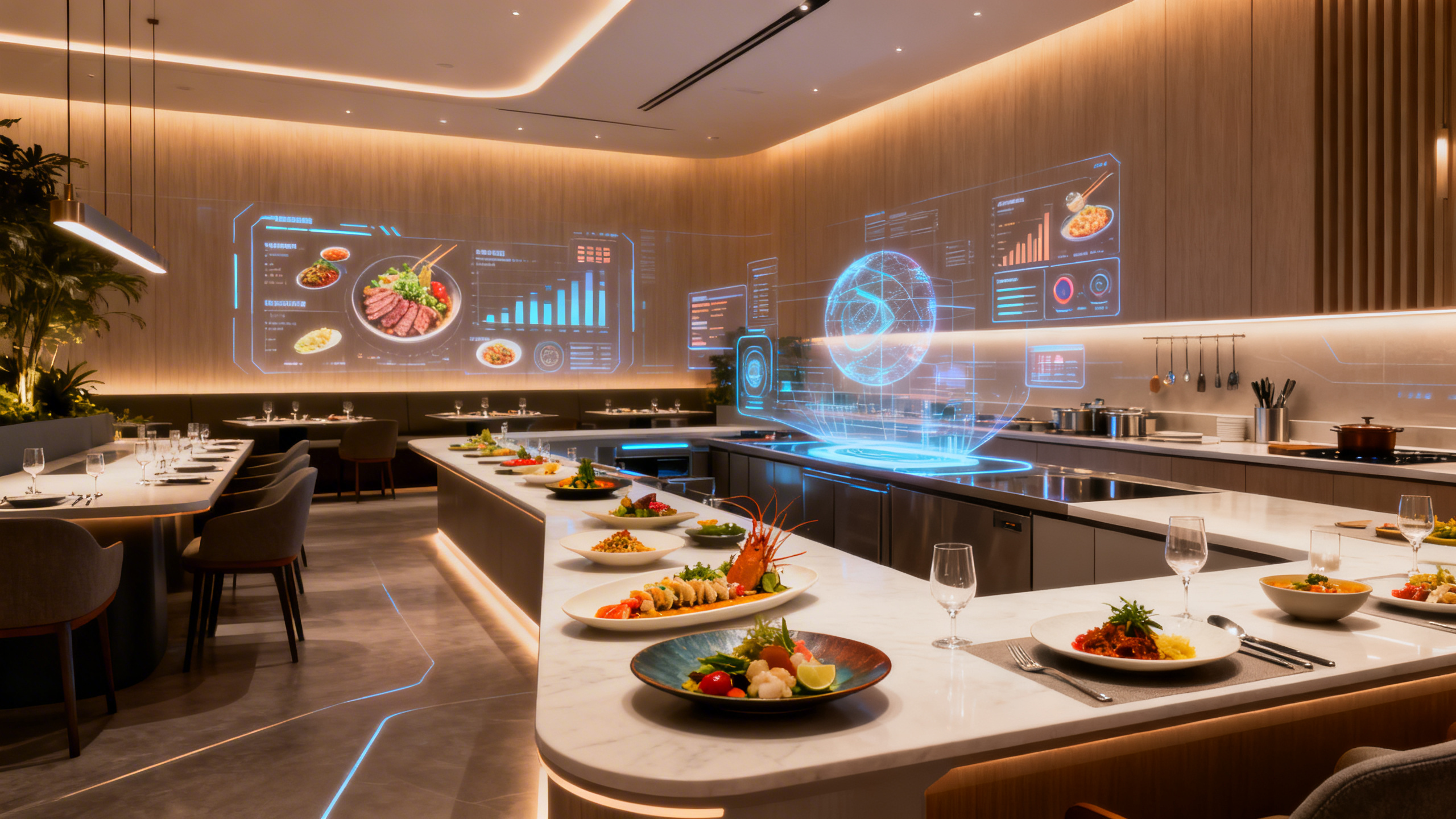
Technology continues to reshape how we dine, and Singapore is at the forefront of integrating tech into food experiences. From AI-powered personalized menu recommendations to robotic chefs and drone food delivery, diners enjoy a seamless and futuristic culinary journey.
Smart restaurants equipped with augmented reality menus and contactless ordering systems are becoming commonplace, enhancing convenience and hygiene — especially important in post-pandemic dining practices. For example, Byte Bistro features robotic waitstaff that serve dishes and interactive tables that provide detailed nutritional information and food sourcing stories.
Additionally, data analytics helps restaurants optimize inventory management, reducing waste and ensuring that diners receive the freshest ingredients possible. The convergence of food and technology not only elevates convenience but also fosters a deeper connection between diners and their meals.
Street Food Renaissance with a Modern Twist
Singapore’s hawker culture is legendary, and in 2026, it enjoys a renaissance where traditional street foods are being reimagined by young chefs and entrepreneurs. While preserving the authenticity of beloved dishes like Hainanese chicken rice and char kway teow, vendors are experimenting with new flavors, presentation styles, and healthier ingredient options.
Pop-up hawker markets and food festivals celebrate this reinvigoration, drawing curious foodies eager to try inventive versions of classic staples. A prime example is the integration of superfoods and international spices into local favorites, creating vibrant new tastes that remain true to their roots.
This resurgence also has a social impact as efforts to elevate hawker culture include championing hygiene, providing better support for hawkers, and digitalizing payment systems to appeal to modern consumers.
Conclusion: A Culinary Journey Reflecting Singapore’s Future
Singapore’s 2026 food trends beautifully encapsulate the city’s forward-thinking ethos, deep respect for tradition, and commitment to sustainability. Whether savoring plant-based innovations, experiencing tech-infused dining, or indulging in revitalized street food, each culinary experience carries the story of a city that embraces change while cherishing its roots.
For travelers and food lovers, engaging with these trends offers a delicious way to understand Singapore’s evolving identity. As you explore the city in 2026, expect not just to eat, but to embark on a sensory adventure that celebrates innovation, culture, and sustainability at every bite.