
Introduction
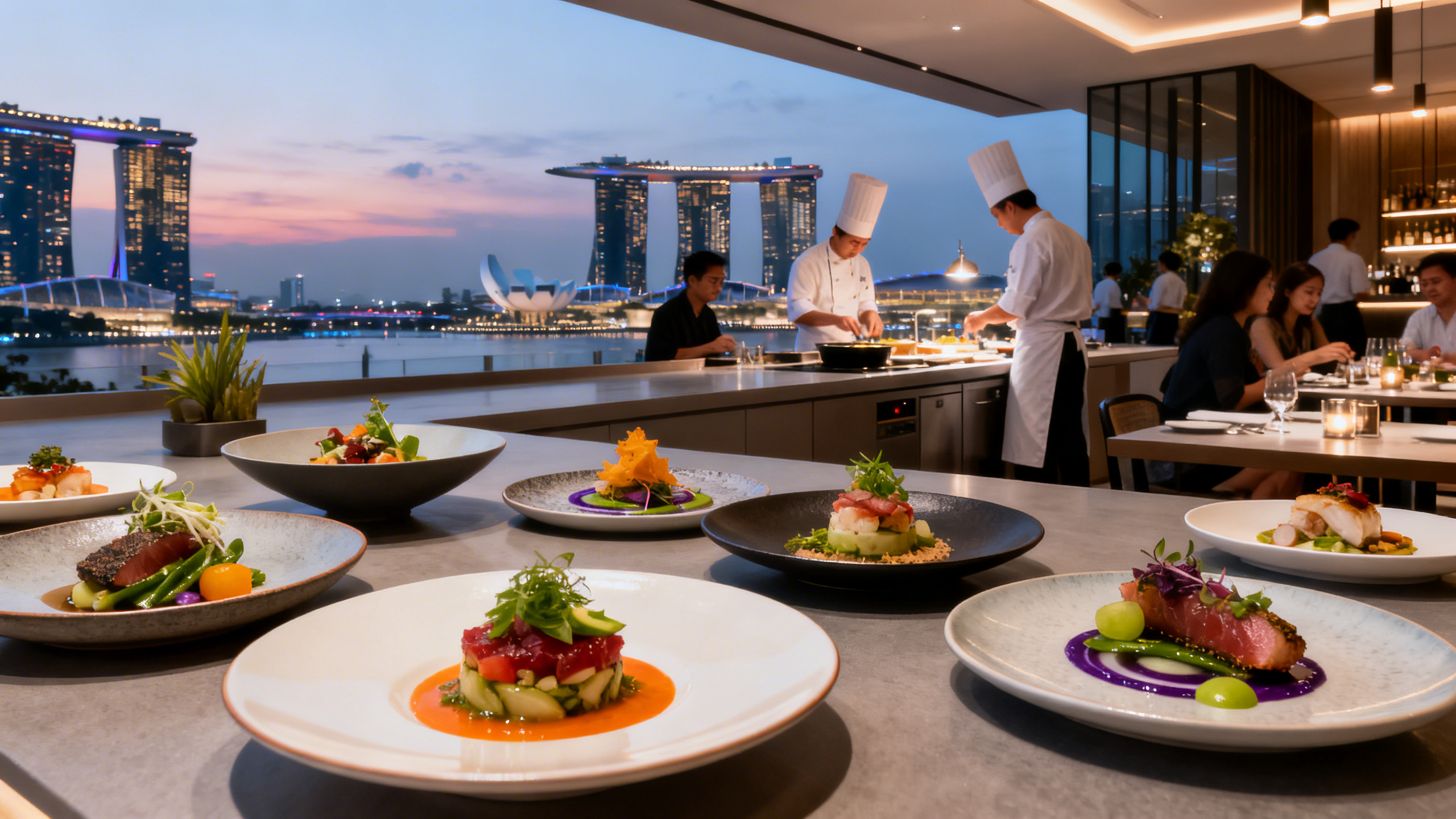
Singapore, known for its vibrant food scene and cultural melting pot, continues to dazzle in 2026 with a culinary renaissance that is capturing the world’s attention. This year, the city-state is not just maintaining its gastronomic excellence but innovating it, with a wave of new restaurants and fresh food trends reshaping the dining landscape. Whether you are a foodie or a casual diner, the latest culinary developments in Singapore promise an exciting journey of flavors, creativity, and sustainability.
Top New Restaurants Making Waves in 2026
In 2026, Singapore’s restaurant scene welcomes several new gems that blend traditional flavors with contemporary techniques, reflecting the city’s dynamic culture. One standout is Ember & Oak, a farm-to-table concept focusing on indigenous ingredients sourced from local farms. Their menu, which changes seasonally, highlights sustainable practices while offering exquisite dishes like smoked sea bass with native herbs and black garlic.
Another notable newcomer is Kumo Izakaya, which redefines Japanese casual dining by infusing Korean barbecue elements, showcasing the regional fusion trend. The restaurant’s unique approach to fermented sauces and seasonal vegetables brings depth and excitement to classic dishes.
Also worth mentioning is Bamboo & Silk, a modern eatery reviving Peranakan cuisine with a modernist twist, combining heritage recipes with innovative presentations that honor tradition yet appeal to contemporary palates.
Emerging Food Trends in Singapore 2026
This year, several key trends are shaping Singapore’s culinary scene. Sustainability continues to play a pivotal role, with restaurants increasingly adopting zero-waste kitchens and sourcing from urban farms to reduce carbon footprints. For instance, many eateries now feature menus that highlight “root-to-stem” cooking and edible byproducts, turning potential waste into gourmet delicacies.
Another major trend is the rise of plant-based innovation. Beyond just vegetarian or vegan options, chefs in Singapore are experimenting with exotic plant proteins, such as jackfruit, seaweed, and mushroom-based meat alternatives, creating hearty and flavorful dishes that appeal to a broad audience seeking healthier, eco-conscious choices.
Additionally, there is a burgeoning interest in tech-infused dining experiences. Restaurants are integrating augmented reality menus and AI-powered recommendations personalized to individual tastes. This blend of technology and cuisine enriches the dining experience, making it interactive and tailored.
Cultural Fusion and Rediscovery of Heritage
Singapore’s food renaissance is notably marked by a profound rediscovery and reinterpretation of heritage. Across the city, chefs are digging deep into diverse ethnic roots – Malay, Chinese, Indian, Peranakan – and bringing forgotten recipes and cooking methods back to the forefront, enhanced with modern culinary science and plating artistry.
This cultural fusion not only preserves culinary legacies but also invites food lovers to explore Singapore’s rich history through its evolving tastes. For example, the resurgence of traditional spice blends paired with modern cooking styles has led to exciting new flavors and textures that challenge and delight the palate.
Conclusion
As Singapore continues to evolve as a global culinary capital in 2026, its food scene offers more than just meals; it presents a symphony of culture, sustainability, innovation, and heritage. From newly opened restaurants championing local ingredients and novel techniques to food trends that prioritize health and technology, this renaissance invites all to savor the future of dining. Whether you’re visiting or a local, there’s no better time to immerse yourself in Singapore’s vibrant and thriving gastronomic landscape.