
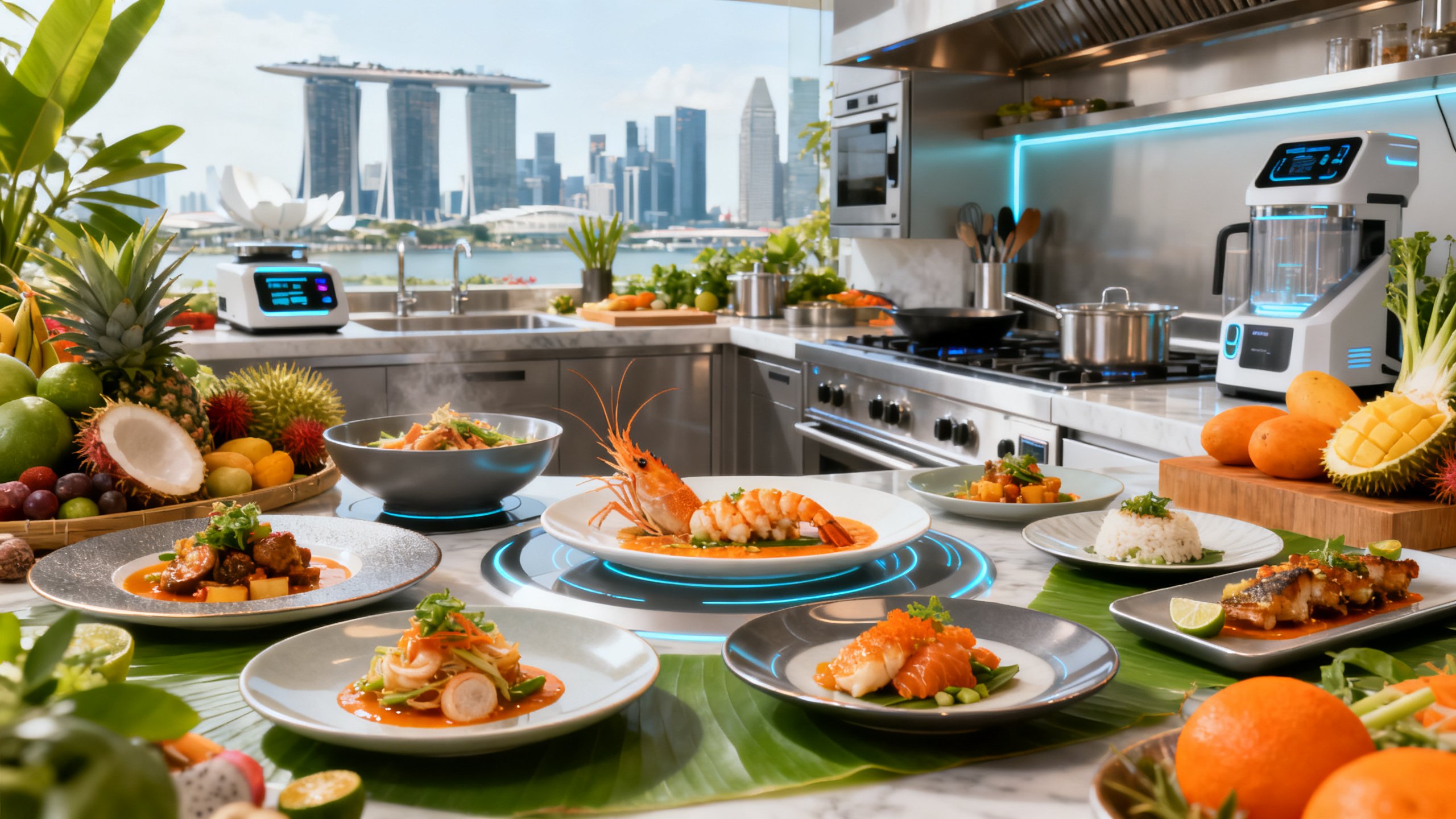
Introduction to Singapore’s Dynamic Food Scene in 2026
Singapore’s culinary landscape is renowned worldwide for its vibrant, diverse, and innovative food culture. As we move through 2026, the city-state continues to evolve its food trends, blending traditional flavors with modern techniques and sustainability efforts. This year promises to take food enthusiasts on a remarkable culinary journey, highlighting trends that reflect Singapore’s unique cultural tapestry and its forward-thinking mindset.
Understanding these food trends is essential not just for locals but also for travelers who want to experience the heartbeat of Singapore’s gastronomic scene. From street food icons reinventing their recipes to high-end restaurants showcasing plant-based innovations, Singapore’s food trends in 2026 offer a rich tapestry of flavors and concepts.
Sustainable and Plant-Based Dining: A Growing Movement
One of the most significant trends shaping Singapore’s food landscape in 2026 is sustainability, particularly through plant-based dining options. More eateries across the city are embracing eco-friendly practices that minimize waste and reduce carbon footprints. This includes the innovative use of locally sourced, seasonal ingredients to support local farmers and reduce import emissions.
Singapore’s growing plant-based scene is gaining traction, with eateries offering creative vegan and vegetarian menus that do not compromise on flavor or presentation. For instance, several upscale restaurants and hawker stalls alike are introducing traditional dishes with a plant-based twist – offering vegetarian laksa or mock meat char kway teow that impress even the carnivores. These dishes showcase the culinary expertise and cultural respect embedded in Singapore’s food industry.
Tech-Driven Culinary Innovations
Singapore is at the forefront of integrating technology into its food industry, and 2026 is no exception. The rise of food tech innovations, such as lab-grown meat and AI-powered kitchen assistants, is reshaping how food is produced and enjoyed. Lab-grown meat, in particular, has gained consumer acceptance, with a few pioneering restaurants proudly featuring dishes made from this sustainable protein source. This technology not only enhances food security in land-scarce Singapore but also appeals to environmentally conscious diners.
Additionally, the use of AI in menu personalization and food delivery logistics is creating more efficient and tailored dining experiences. Restaurants can now analyze customer preferences and dietary restrictions to offer customized meal options, enhancing visitor satisfaction and operational efficiency.
Fusion and Rediscovery of Heritage Flavors
Singapore’s multicultural heritage continues to inspire chefs, who blend influences from Malay, Chinese, Indian, Peranakan, and other cuisines to create exciting new dishes. In 2026, this fusion trend has deepened, with chefs pushing the boundaries of traditional recipes by incorporating international techniques and ingredients.
Moreover, there is a conscious rediscovery and celebration of forgotten heritage flavors and cooking methods. Chefs and food artisans are reviving age-old recipes, such as traditional kampong (village) style dishes and heirloom ingredients, integrating them into modern menus. This trend not only preserves cultural identity but also educates diners about Singapore’s rich food history.
Street Food Renaissance and Hawker Culture
Singapore’s hawker culture remains a cornerstone of its food identity, and in 2026, it is experiencing a renaissance. The government and private sectors are investing in upgrading hawker centers with better hygiene, ambiance, and digital payment systems, inviting both locals and tourists to experience world-class street food in a comfortable setting.
A new wave of young hawkers is bringing innovation to classic dishes while respecting their roots. For example, you’ll find artisan take on traditional satay or chai tow kway (carrot cake) made with premium ingredients and creative presentations. This fusion of old and new keeps the hawker scene vibrant and relevant, ensuring its legacy for future food lovers.
Food Festivals and Culinary Events in 2026
To fully immerse oneself in Singapore’s thriving food culture, attending food festivals and culinary events is a must. In 2026, events like the Singapore Food Festival and the World Gourmet Summit are embracing the latest trends by highlighting sustainable dining, innovative chefs, and diverse cuisines. These festivals provide excellent opportunities for visitors to sample cutting-edge dishes, witness live cooking demonstrations, and engage with culinary experts.
Moreover, pop-up dining experiences and food tours focusing on specific neighborhoods or themes are growing in popularity, offering bespoke journeys through Singapore’s food landscape. These curated experiences allow for deeper connections with the cuisine and the stories behind each dish.
Conclusion: A Must-Experience Culinary Destination in 2026
Singapore’s food trends in 2026 reflect a harmonious blend of tradition, innovation, and sustainability. Whether you’re a seasoned foodie or a casual traveler, the city’s culinary offerings promise an unforgettable journey through vibrant flavors and inspiring concepts. From embracing plant-based options to celebrating hawker heritage and exploring tech-driven dining, Singapore remains a top destination to explore the future of food while honoring the past.
So pack your appetite and get ready for a culinary adventure that truly captures the spirit of Singapore in 2026.