
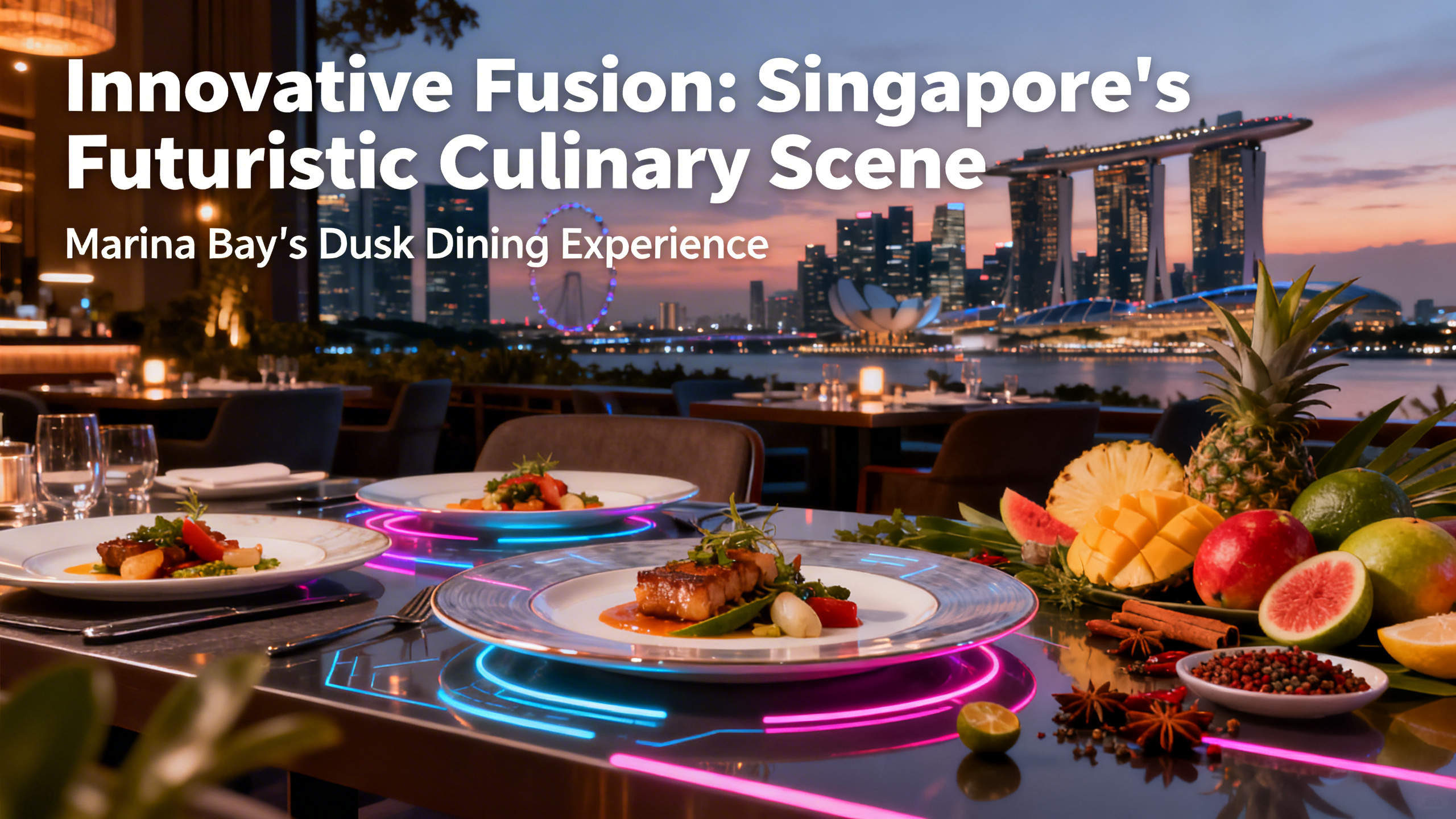
Introduction to Singapore’s Culinary Scene in 2026
Singapore has long been a beacon of culinary innovation, blending rich cultural heritage with modern gastronomic technology. In 2026, the city-state continues to lead Asia, and indeed the world, in setting exciting and sustainable food trends. This year marks a pivotal moment for food enthusiasts and industry professionals alike as new tastes, cooking methods, and ethical considerations reshape how we experience food.
Sustainable Dining Takes Center Stage
One of the most significant shifts in 2026 is the heightened emphasis on sustainability. Singapore’s food scene is not only about flavor but also about responsible consumption. Farm-to-table dining has evolved into a robust movement, with many restaurants partnering directly with urban farms such as Sky Greens and Citizen Farm. These venues supply hyper-local, pesticide-free produce, reducing carbon footprints and ensuring freshness.
Restaurants in Singapore are also pioneering zero-waste kitchens, using every part of ingredients to create innovative dishes. For example, some chefs now transform vegetable scraps into broths or crisps, embodying a culture of minimal waste. This movement is supported by government initiatives encouraging green practices, making Singapore a global role model for sustainable dining.
Tech-Enhanced Gastronomy and AI Influence
Technological integration in food preparation and dining experiences has rapidly advanced. In 2026, Singapore has embraced AI-driven culinary innovation, from AI recipe development to smart kitchen appliances that optimize cooking times and temperatures for perfect results. This blend of technology and culinary art allows chefs to experiment with flavors and textures that were previously unattainable.
Moreover, augmented reality (AR) dining experiences are gaining popularity, offering customers immersive storytelling alongside their meals. Restaurants are using AR to highlight the origins of dishes or simulate exotic food environments, creating a multisensory dining adventure. These innovations cater to a tech-savvy clientele eager for new and interactive food experiences.
Plant-Based and Alternative Proteins Revolution
The demand for plant-based foods and alternative proteins continues to surge in Singapore. In 2026, this trend is characterized by highly sophisticated meat substitutes made from pea protein, mycoprotein, and lab-grown meat. These alternatives deliver authentic taste and texture, making the transition to plant-based diets more appealing and accessible.
Singapore, being one of the first countries to approve lab-grown meat for commercial sale, has become a hub for food tech startups focused on sustainability. Consumers can now enjoy dishes like lab-grown chicken rice or plant-based laksa with confidence, knowing they support both environmental sustainability and animal welfare.
Revival of Heritage with a Modern Twist
While innovation moves forward, Singapore’s food culture honors its rich heritage. In 2026, there is a vibrant trend toward reinterpreting classic dishes with contemporary techniques and global influences. For instance, Peranakan cuisine is being reinvented with molecular gastronomy methods, offering both nostalgic comfort and modern excitement.
Such creative culinary blends not only preserve traditional recipes but also invite a new generation to appreciate Singapore’s diverse cultural legacy. The fusion of old and new has led to exciting dining destinations across the city, from hawker stalls to Michelin-star restaurants, celebrating Singapore’s unique identity.
Conclusion: A Dynamic Culinary Landscape
Singapore’s 2026 food trends demonstrate a dynamic balance between sustainability, technology, innovation, and tradition. Whether it’s the rise of zero-waste kitchens, AI-enhanced gastronomy, plant-based alternatives, or modernized heritage dishes, Singapore’s culinary scene offers an inspiring journey for food lovers globally.
This year affirms Singapore’s status not just as a food destination but as a leader shaping the future of dining with a deep commitment to culture, environment, and technology.