
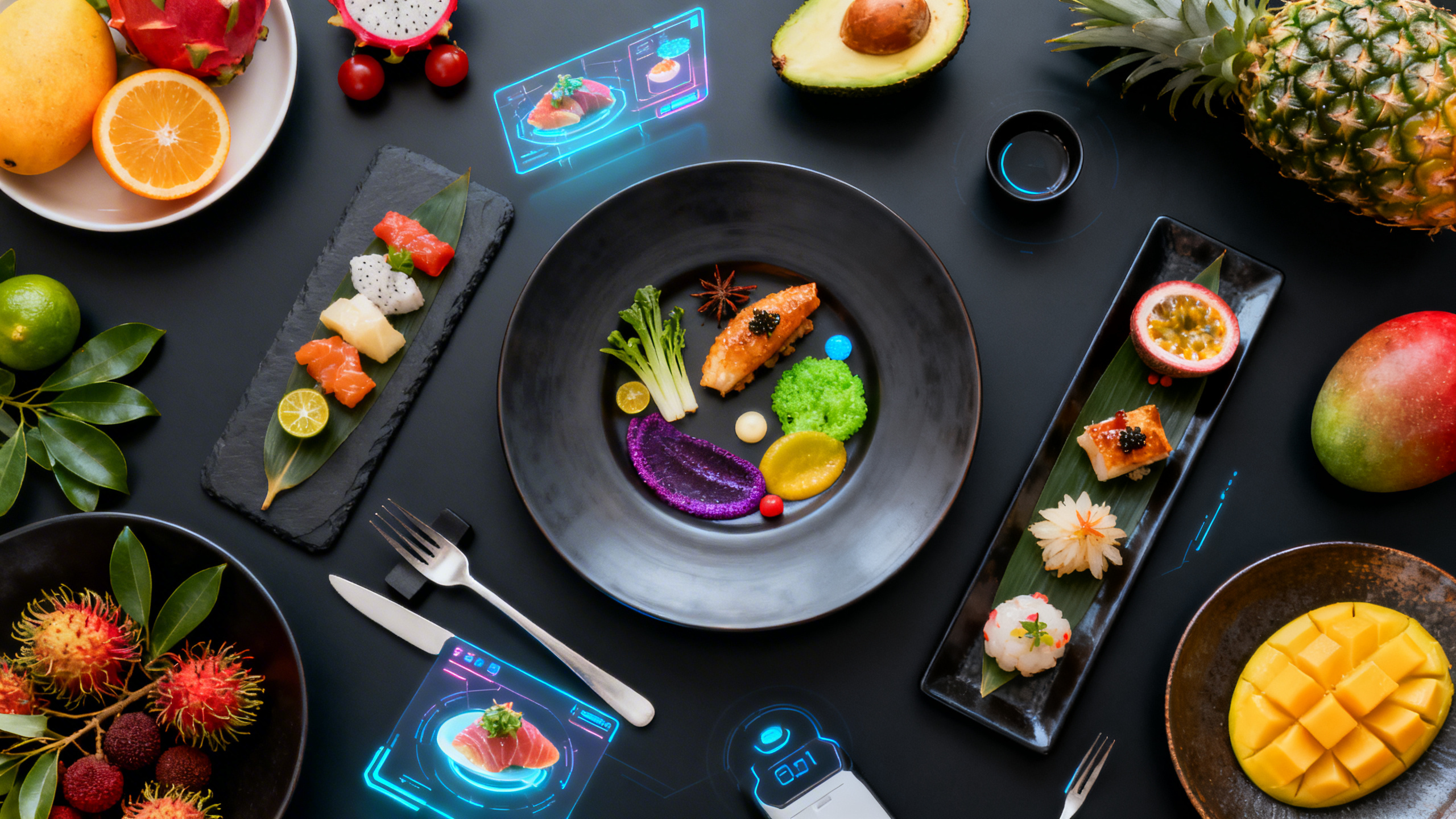
Introduction to Singapore’s 2026 Food Trends
Singapore is renowned worldwide as a vibrant food paradise where rich cultural heritage blends seamlessly with cutting-edge culinary innovation. As we step into 2026, the dynamic food landscape in Singapore continues to evolve, reflecting global influences while celebrating local flavors. This year, food trends showcase a fascinating interplay between sustainability, health consciousness, technology-driven dining, and the revival of traditional tastes. Whether you’re a food enthusiast, a traveler, or a curious local, embarking on this culinary journey promises a feast for the senses and a deeper appreciation of Singapore’s food culture.
1. Embracing Sustainable and Ethical Eating
Sustainability takes center stage in Singapore’s food scene this year. More than ever, consumers and restaurateurs alike emphasize ethical sourcing, reduced food waste, and eco-friendly practices. Urban farming innovations such as vertical farms and aquaponics are gaining momentum, supplying fresh herbs, greens, and even seafood to local kitchens. For instance, farms like Sky Greens and Sustenir Agriculture exemplify how cutting-edge technology supports sustainable food production within the city’s confines.
Restaurants have embraced zero-waste cooking techniques, creatively utilizing every part of an ingredient—from root to leaf or bone to skin. This not only reduces environmental impact but also enriches their menus with innovative dishes. For example, some chefs craft broths from vegetable scraps or transform coffee grounds into flavorful rubs, highlighting an intentional shift towards mindful consumption and creative resourcefulness.
2. Health-Conscious Culinary Options with Asian Flavors
Health and wellness are significant drivers in the 2026 food trends, with an emphasis on plant-based diets, functional foods, and gut-friendly ingredients. Singaporean cuisine naturally lends itself to these trends, given its diverse Asian roots known for balancing taste and nutrition.
Rising demand for plant-based alternatives has led to the proliferation of vegan hawker stalls and health-forward cafes serving nutrient-dense dishes packed with local flavors such as turmeric, lemongrass, and pandan. For example, innovative eateries fuse traditional spices with modern, wholesome recipes like jackfruit rendang or tempeh laksa, catering to both vegans and health-savvy diners without compromising on authentic taste.
3. Tech-Driven Dining Experiences
Singapore’s inclination towards innovation extends into its dining experiences, where technology plays a transformative role. Contactless ordering systems, robot servers, and AI-powered personalized menus enhance convenience and safety, especially post-pandemic.
One notable example is the use of augmented reality (AR) menus that offer diners an immersive preview of dishes before ordering—a tool that aids decision-making and adds an element of fun to dining. Additionally, ghost kitchens have expanded in popularity, streamlining delivery services and widening access to niche cuisines, demonstrating how technology continues to redefine how locals and tourists enjoy food.
4. Reinventing Traditional Singaporean Classics
Despite the forward-looking nature of these trends, there is a respectful nod to tradition that deeply anchors the culinary scene. Chefs are reinventing classic local dishes by experimenting with presentation, fusion, and ingredient combinations while preserving the essence of original flavors.
Take, for instance, the resurgence of kampong-style cooking, where age-old recipes from Singapore’s rural heritage are given fresh life in modern settings. Dishes such as Hainanese chicken rice or laksa are reimagined with contemporary twists, like sous-vide cooking techniques or novel spice blends, enhancing texture and flavor complexities that appeal to both nostalgic palates and adventurous foodies.
5. Street Food Culture Meets Global Influences
Singapore’s street food scene remains a vibrant tapestry reflecting its multicultural society. In 2026, this scene further absorbs global culinary trends, presenting flavors from beyond Southeast Asia alongside local favorites. Pop-up markets and food festivals showcase everything from Korean BBQ tacos to Middle Eastern-inspired satays, blending tastes in exciting ways.
This cultural cross-pollination also encourages local hawkers to innovate and experiment, making Singapore a hotspot where authentic and fusion street foods coexist harmoniously. Food lovers can delight in distinctive offerings like chendol with a twist of Mexican chili or chilli crab bao—combining comfort and novelty that keeps the city’s palate spirited and evolving.
Conclusion
Singapore’s 2026 food trends reveal a city that honors its culinary heritage while fearlessly embracing modernity and innovation. From sustainable practices and health-focused meals to tech-enhanced dining and creative interpretations of traditional dishes, the food experience here is dynamic, diverse, and deeply engaging. For anyone passionate about food exploration, 2026 is an exciting year to immerse oneself in Singapore’s culinary journey—a journey that nourishes the body, delights the taste buds, and enriches cultural understanding.
So, whether you’re planning a visit or a local looking to rediscover your city, dive into Singapore’s food trends this year for an unforgettable taste adventure.